
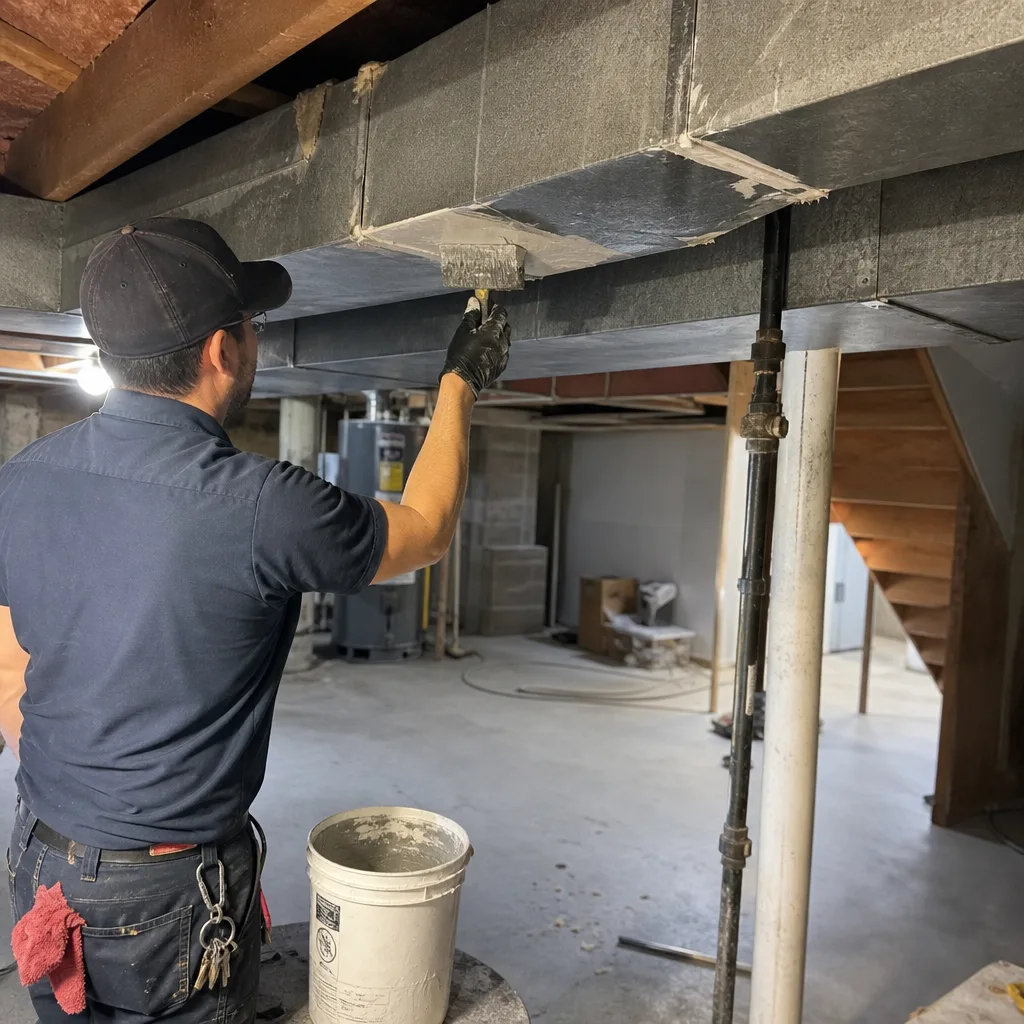
Last updated November 23, 2026
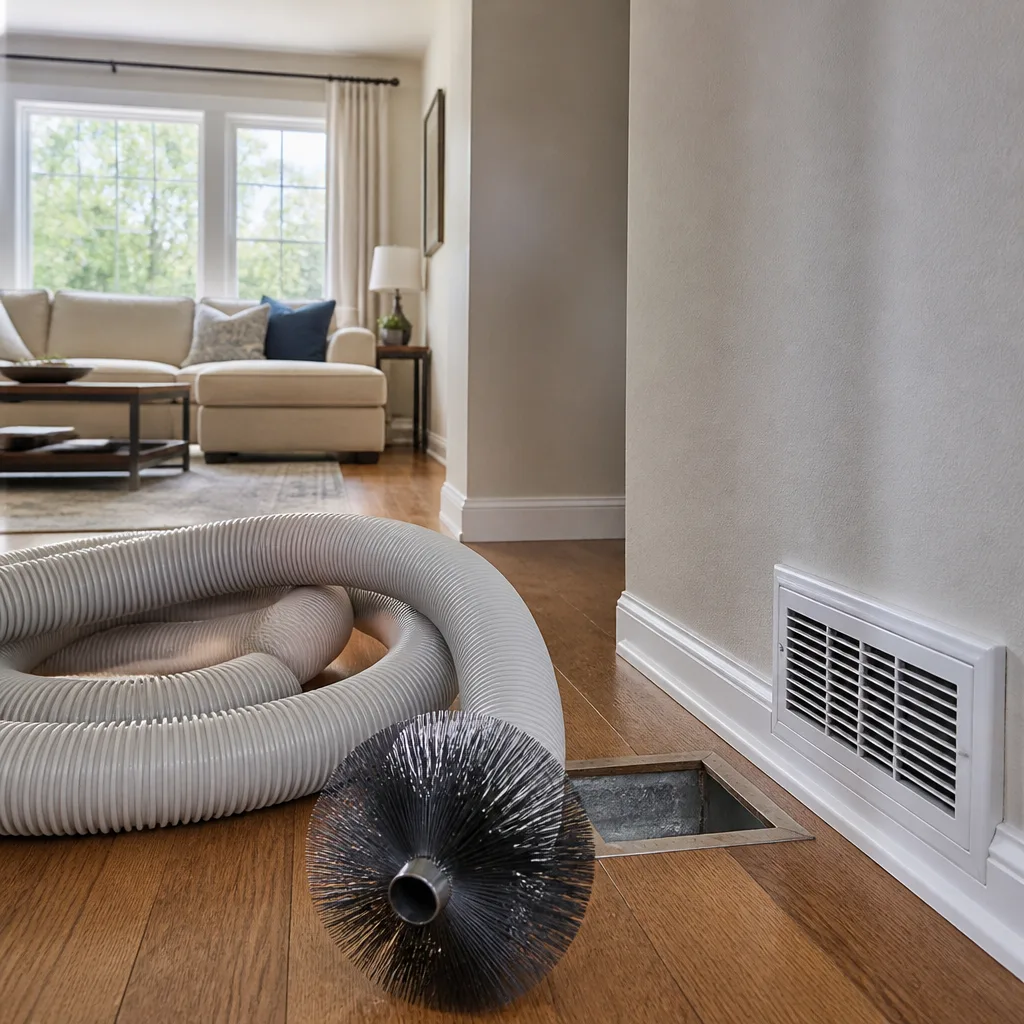 Whole-home duct cleaning
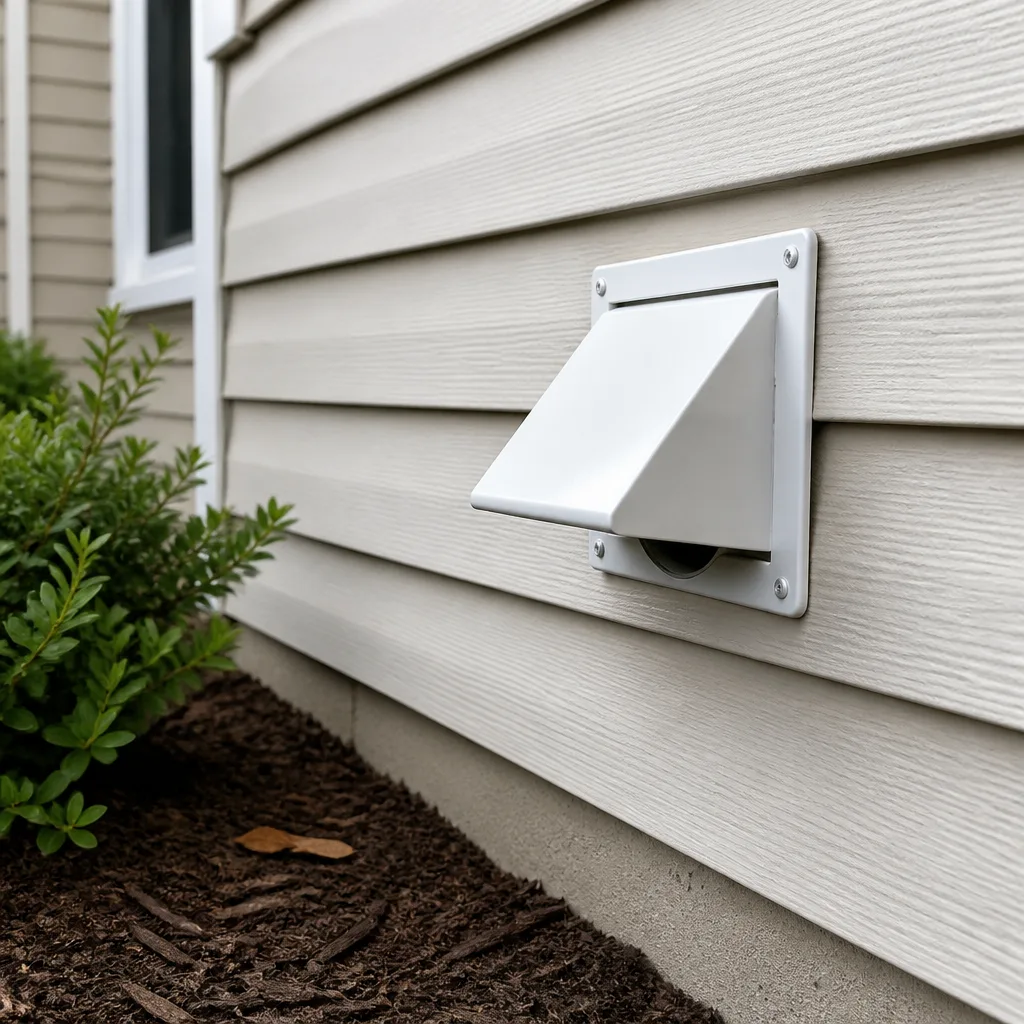 Dryer vent cleaning
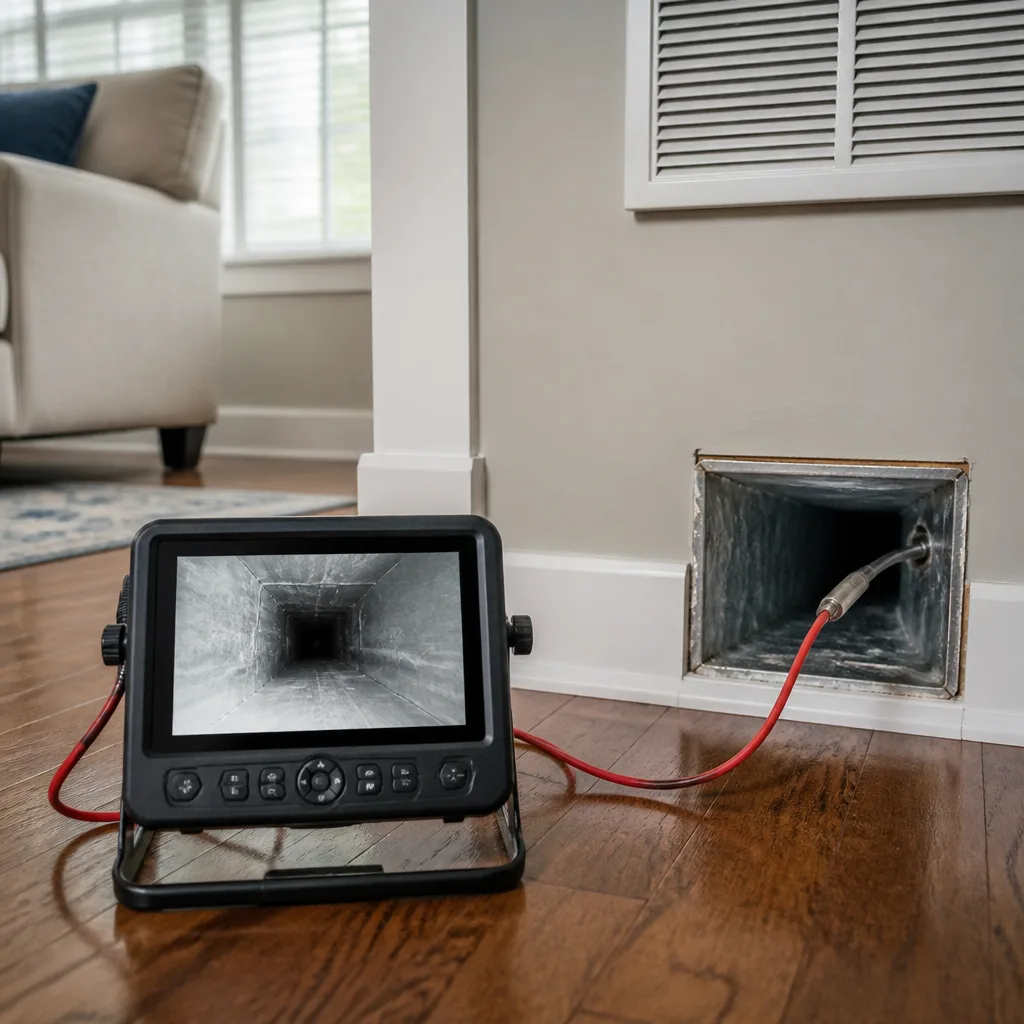 Camera inspection
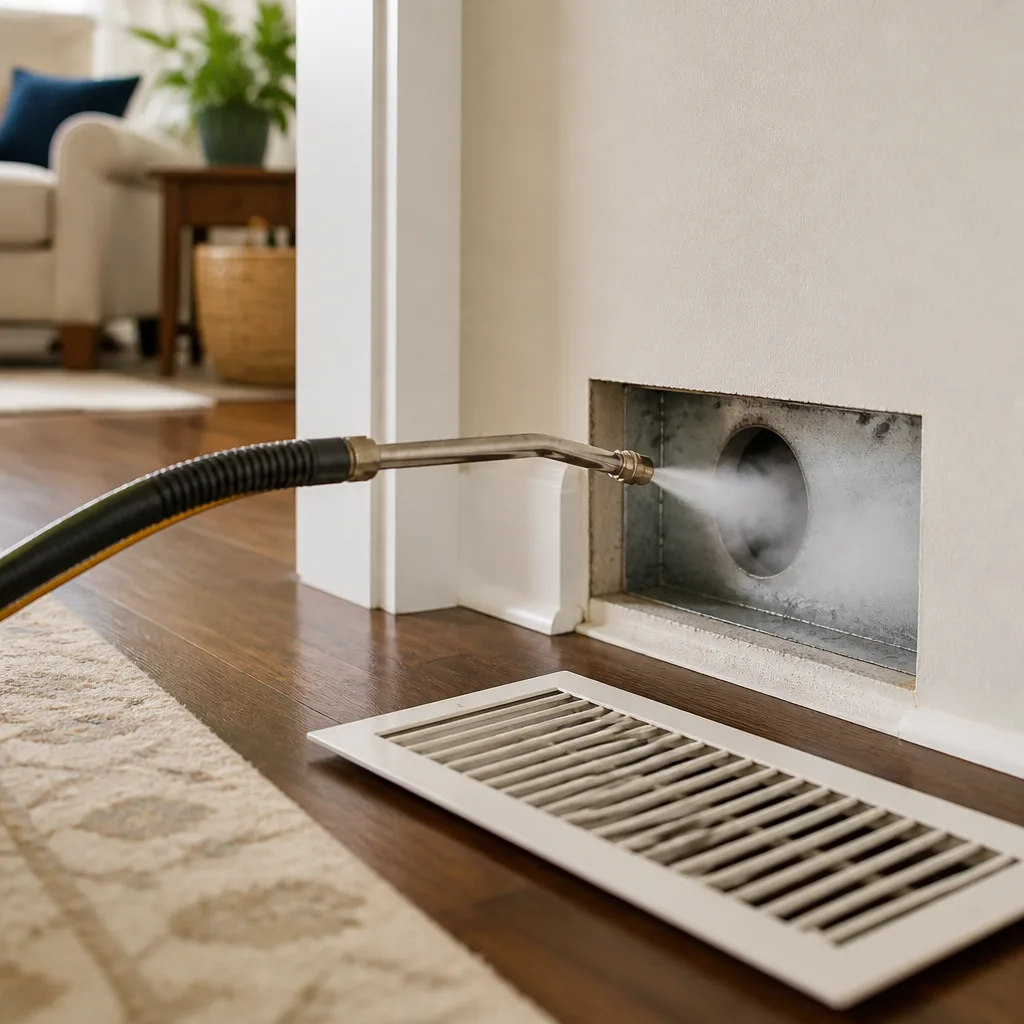 Sanitizing & deodorizing
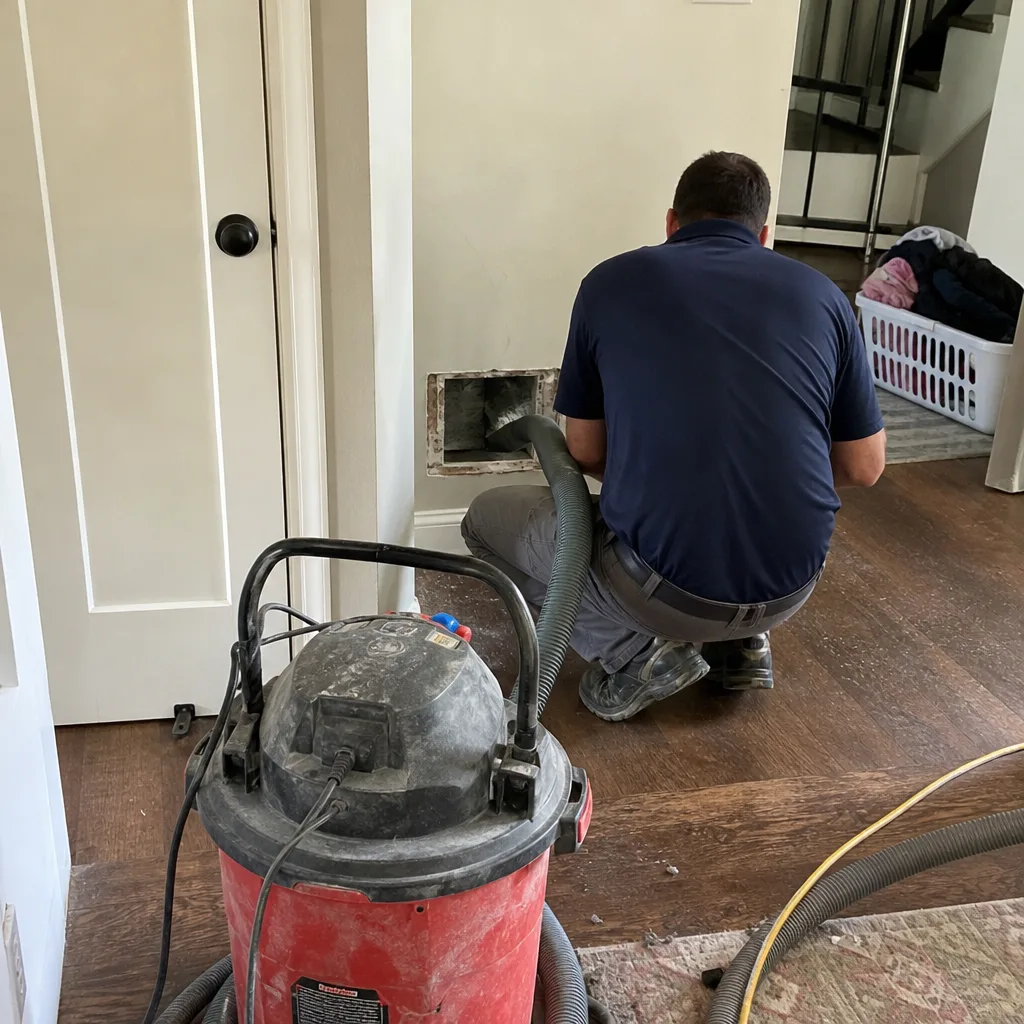
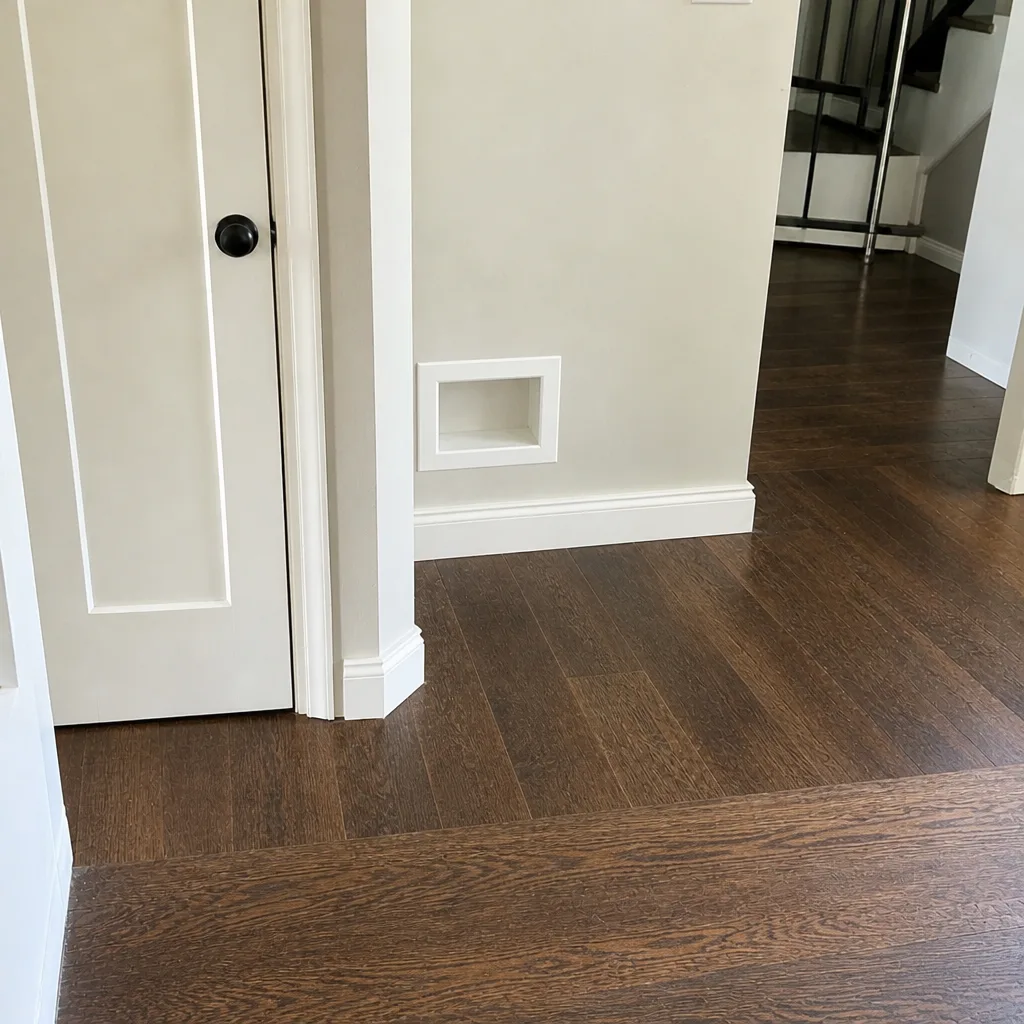
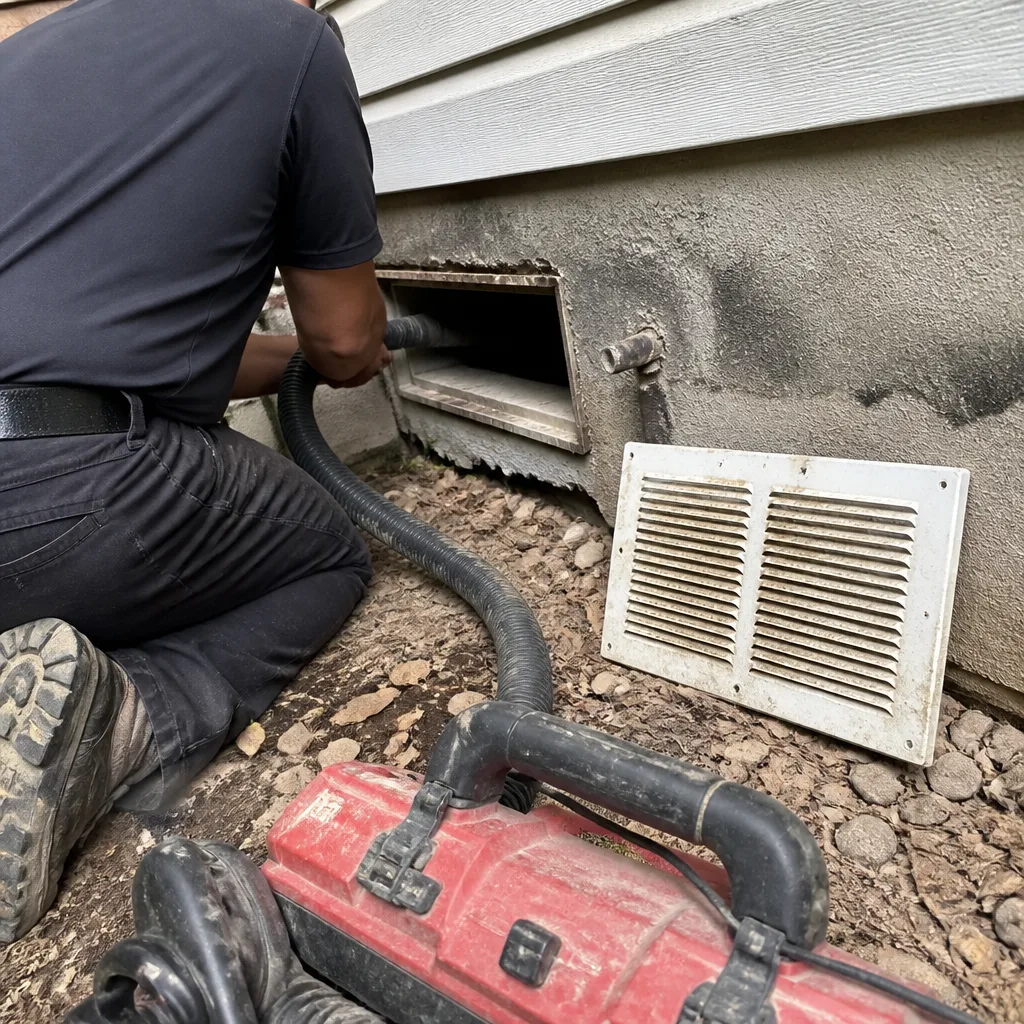
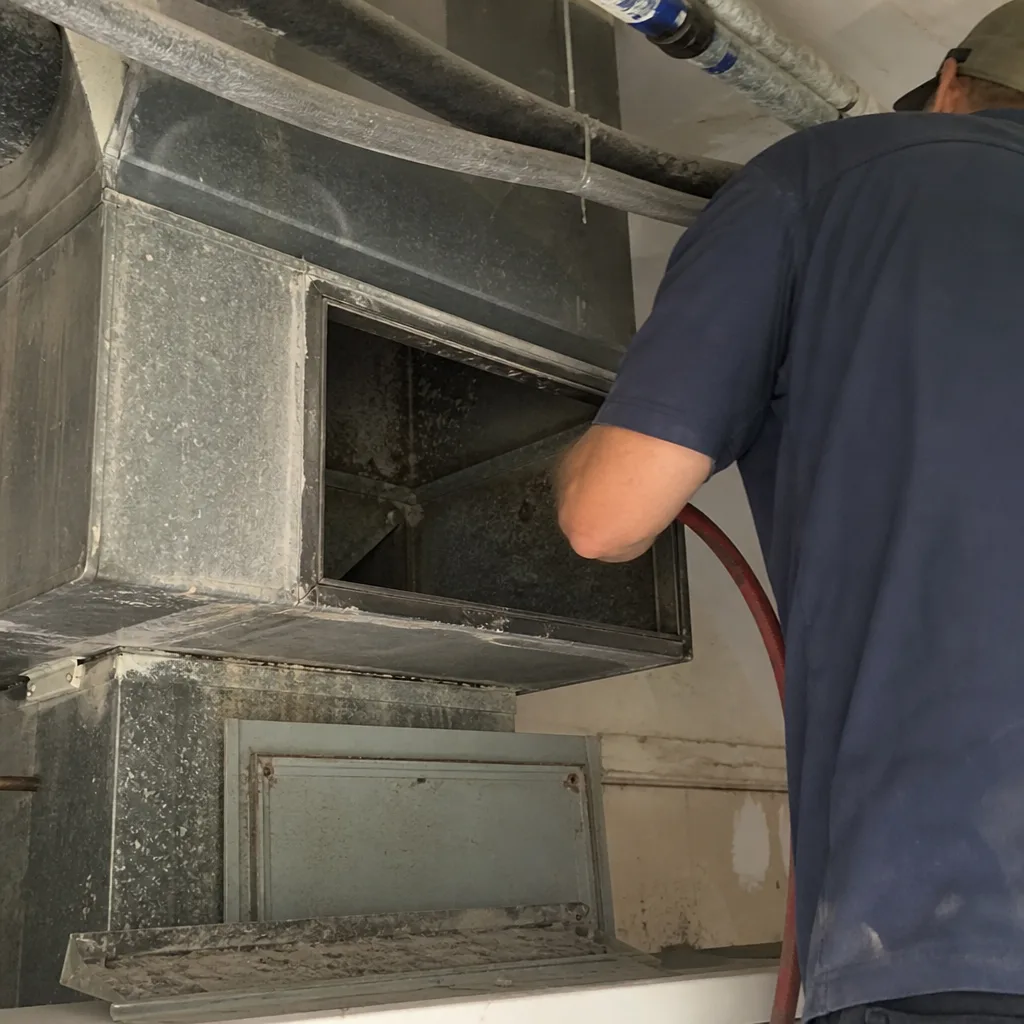
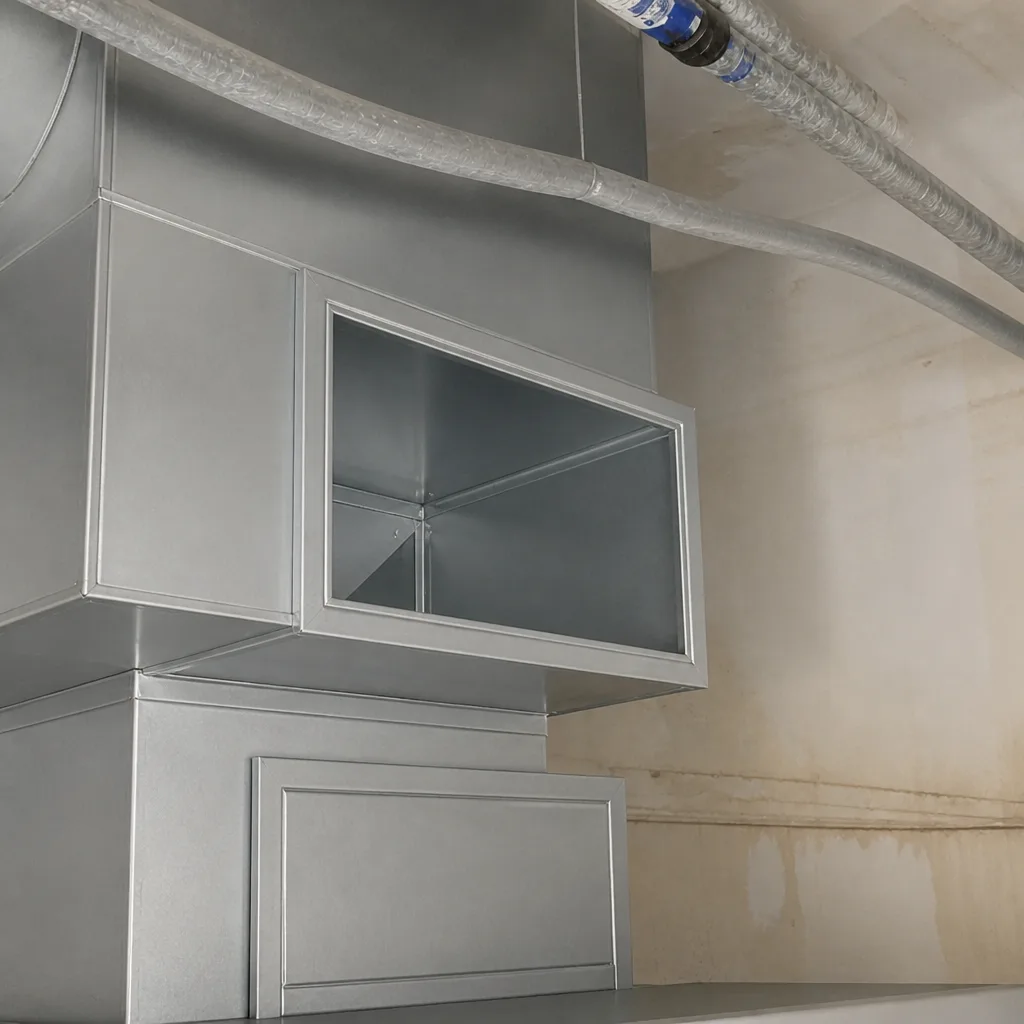
Whole-system duct and dryer vent check with before-and-after photos - you see exactly what came out of your vents
That "$99 whole-house special" is a bait ad - the real number appears once they are in your hallway, or the "clean" is a shop-vac at the register. We photograph the inside of your ducts before and after instead.
The Complete Guide to Air Duct Cleaning in Saratoga Springs
Most guides to duct cleaning describe the service. This one describes your house. Saratoga Springs was one of Utah County’s fastest-growing cities for a decade straight, and that growth left a mark inside thousands of homes: duct systems sealed up at construction with drywall dust, insulation fibers, and installation debris still sitting in them, never touched by a professional vacuum. That’s the part generic advice misses. High-desert dust doesn’t behave like the humid-climate dust most national checklists were written for, and it doesn’t come out with a shop vac and good intentions. Below we walk through what actually accumulates in a Saratoga Springs duct system, what a legitimate full-system clean involves, what equipment matters, and how to verify the job was really done.
Quick Answer
Air duct cleaning in Saratoga Springs means removing built-up dust, construction debris, and microbial growth from the entire air system – supply and return ducts, registers, plenums, the air handler coil, and blower compartment – using professional negative-pressure equipment, not just wiping the visible grilles. In this market, a proper clean matters more than in most places because alkaline desert dust bonds to duct surfaces and new-construction debris is common in homes built between 2005 and 2020. Look for a specialist who uses professional-grade systems like Rotobrush or Nikro, shows before-and-after camera footage, and agrees one flat price per system before touching anything.
Styles & brands we work with
- Whole-home duct cleaning
- Dryer vent cleaning
- Camera inspection
- Sanitizing & deodorizing
Table of Contents
- Why Saratoga Springs Dust Is Different
- What’s Actually Inside a Newer Saratoga Springs Duct System
- The Equipment That Separates a Real Clean From a Fake One
- The Full Scope of a Proper Job
- How to Verify the Work Was Actually Done
- How Often Ducts Need Cleaning in Saratoga Springs
- What Duct Cleaning Costs and Why Quotes Vary
- Related Services That Complete the Air System
Why Saratoga Springs Dust Is Different
Dust is not one substance with one behavior. The particulate that blows through Saratoga Springs – alkaline, mineral-heavy, kicked up from dry desert soil and carried on constant valley wind – clings to duct walls in a way that humid-climate dust doesn’t. Coastal dust is often looser and greasier; it smears but releases. High-desert dust is fine and dry, and it packs. It finds the seams of every flex duct run and settles in a hard, gray film that a household vacuum passes right over.
That distinction matters when you’re choosing a cleaner. A standard brush-and-shop-vac job, the kind that shows up with a coupon and a portable unit, loosens the top layer and leaves the bonded residue behind. Within a few weeks the system re-deposits the same dust from the same source. In our experience, the dust in Saratoga Springs homes needs agitation plus enough sustained negative pressure to pull bonded particles off the duct wall and out of the house entirely.
Add the local housing stock to the equation. Saratoga Springs sits in a high-desert basin with a growing season that throws a lot of fine particulate into the air, and a lot of newer construction with tight, energy-efficient envelopes. Tighter homes hold air better, but they also concentrate whatever’s inside the ducts and recirculate it. A sealed house with dirty ducts amplifies the problem instead of diluting it.
What you’ll notice first
- Dust settling on furniture faster than usual, especially near supply registers
- A musty or chalky smell when the system kicks on
- Visible dust streaks around return grilles
- Allergy symptoms that flare when the furnace or AC runs
- Fine gray film on ceiling fans, blinds, and picture frames
None of these prove your ducts are dirty. They do justify an inspection. A camera walkthrough of your duct system is the honest way to know.
What’s Actually Inside a Newer Saratoga Springs Duct System
The most overlooked category in this city is construction debris. Homes built in Saratoga Springs during the 2005-2020 building boom often have duct systems that were never cleaned post-construction. That’s not negligence on any builder’s part; it’s just how the sequence works. Ducts go in, drywall goes up, sanding and texturing happen, and fine gypsum dust, fiberglass fragments, and adhesive residue settle into the ductwork before the system is ever turned on for the first time.
Here’s what tends to accumulate in those newer homes, specifically:
- Drywall dust – fine, alkaline, and bonding. It coats duct walls in a thin layer that releases slowly into the airstream for years.
- Fiberglass insulation fragments – small fibers shed from the duct wrap and interior lining, especially in flex duct runs.
- Adhesive residue – from flex duct installation and mastic sealing at joints, which can trap dust and create sticky patches.
- Construction sawdust and wood particles – from framing and trim work, often lodged in the return plenum.
- Drywall sanding powder – the lightest and most mobile debris, settles everywhere downstream of the air handler.
Older homes in Saratoga Springs aren’t exempt. Their duct systems have had years to accumulate ordinary household dust, pet dander, and the same desert particulate, often on top of duct work that was never sealed properly in the first place. Leaky duct joints pull attic air – and whatever’s in the attic – directly into the airstream.
What homeowner inspections miss
You can check your return grille and see dust. You cannot see what’s on the inside walls of the duct behind it. The visible grille is roughly the least informative part of the system. The real debris load sits in the branch runs, the return plenum, the air handler coil, and the blower compartment – all places only camera equipment reaches.
The Equipment That Separates a Real Clean From a Fake One
A proper duct clean needs three things: agitation to loosen debris, containment to keep it from spreading through the house, and enough vacuum to move it out. Consumer-grade equipment can manage one or two of those. Professional-grade systems do all three at once.
The two workhorse systems in the industry are Rotobrush and Nikro. Rotobrush uses a rotating brush head connected to a high-efficiency vacuum, pulled through each duct run from the register back toward the plenum. The brush agitates bonded dust. The vacuum captures what comes loose. Nikro negative-air machines do the containment side: they create a pressure differential that keeps dust flowing toward the unit instead of into your living room.
Truck-mounted vs. portable – what actually matters
The common advice is that truck-mounted units are always better than portables. In practice, what matters is total airflow and containment, not whether the power source rolls into your driveway or into your hallway. A three-stage HEPA portable with enough CFM can outperform a weak truck mount. What you should ask is simpler:
- What is the actual CFM rating of the vacuum? A system pulling fewer than about 1,500 CFM won’t clear a heavily soiled run.
- Does the setup create negative pressure in the system? Without it, agitation just redistributes dust.
- Is there a HEPA filter on the exhaust? This is what keeps fine particulate out of your air during the clean.
- What’s the agitation method? Rotating brush, compressed-air whip, or hand tools – each reaches different parts of the system.
For a typical 2,400-square-foot two-story Saratoga Springs home – the most common configuration in this market – you’re looking at roughly 15 to 25 duct runs across supply and return, a single air handler, and a plenum on each end. That’s a full-day or half-day job for a properly equipped specialist, not a one-hour stop. A crew that leaves in 45 minutes either cleaned grilles only or was never set up to remove real debris.
The specialist team at Saratoga Springs Air Duct Cleaning Pros uses both Rotobrush and Nikro systems, along with Abatement Technologies equipment for negative-air containment during sanitizing work. That combination matters most when the job includes post-renovation dust or microbial treatment – the kinds of conditions where releasing dust during the clean would undo the job.
The Full Scope of a Proper Job
The single biggest misconception about duct cleaning is that it’s about grilles. Grilles are visible, they’re easy to wipe, and they’re the least meaningful part of the system. A legitimate full-system clean touches everything in the airstream, from the return intake to the supply diffusers.
What a complete clean includes
- Return grilles and plenum – the main intake where the largest debris load collects, including the plenum transition that most quick-cleaning crews skip.
- Supply trunk and branch runs – every individual duct run from the plenum to the register, brush-agitated and vacuumed.
- Supply registers and diffusers – removed, cleaned, and reinstalled.
- Air handler coil – the evaporator coil, where dust and moisture combine to create the conditions for microbial growth.
- Blower compartment – the fan housing and blades, which collect dust that recirculates into every run downstream.
- Duct joints and seams – sealed or noted for repair if leaks are pulling unconditioned attic air into the system.
- Dryer vent – separate from the HVAC system but part of the same household air quality picture, and a leading cause of residential fires.
Notice where your dryer vent sits on that list. Most duct-only companies don’t offer dryer vent cleaning at all, which leaves a lint-clogged vent line untouched while they clean the HVAC ducts above it. That’s two different kinds of buildup in the same house, and both matter.
Notice also the duct joint step. If your ducts leak – which most do, especially in newer construction where flex duct runs are long and connections are numerous – cleaning them without addressing the leaks means the system will pull new dust in from the attic within weeks. That’s why a real full-system specialist offers air duct cleaning alongside duct repair and sealing. Cleaning is half the job. Sealing is the other half.
What a partial clean looks like
- Grilles wiped by hand, ducts untouched
- Only the main trunk cleaned, branch runs skipped
- No air handler coil or blower compartment access
- Portable shop vac used without negative-pressure containment
- No camera verification, no access port photos, no documentation
Every item on that list is common. None of them are a full-system clean. If a quote doesn’t mention air handler coil and blower access, it’s not the same service.
How to Verify the Work Was Actually Done
You wouldn’t accept a plumbing repair you couldn’t see. Duct cleaning should be the same. Camera inspection footage – before and after – is the single clearest verification that a job happened, and it’s the thing most homeowners don’t know to ask for.
What to ask for
- Before photos of each major duct run – not just a single “representative” shot. Every run should be documented.
- Before photos of the return plenum and air handler coil – the two areas where debris load is heaviest.
- After photos from the same vantage points – the only way to compare fairly.
- Video walkthrough if possible – some specialists shoot short video clips of the camera sweep.
- A written summary of what was found – including any duct damage, leak, or microbial concern.
Beyond photos, ask three direct questions: how many duct runs were cleaned, whether access ports were cut (and resealed), and whether the air handler coil and blower compartment were cleaned or just inspected. A specialist will answer all three without hesitation. A shortcut crew won’t.
The final check is behavioral. Run the system a day later and look at your return grilles. A thorough clean leaves the grilles clean. A grille-only clean leaves them looking about the same. And a partial clean, where the main trunk was done but the branches weren’t, will re-deposit visible dust within a week or two as the leftover debris migrates through the system.
How Often Ducts Need Cleaning in Saratoga Springs
The generic answer – every three to five years – is fine as a starting point, but Saratoga Springs conditions push the right answer in different directions depending on your house. There’s no universal interval, and anyone who claims one is oversimplifying.
Factors that shorten the interval here
- High-desert dust load – the alkaline particulate that packs into duct walls accumulates faster than humid-climate dust.
- New construction (2005-2020) – if your home is in this window and the ducts were never cleaned post-build, an initial clean is overdue regardless of age.
- Recent renovation – any drywall, sanding, or demolition work sends fine dust into every duct run within days.
- Pets and allergies – dander and pet hair raise the debris load and shorten the useful interval.
- Long flex duct runs – standard in this market, and more prone to collecting fiberglass fragments and dust at the sagging low points.
- Recent home purchase – you don’t know what the previous owner’s maintenance looked like.
A realistic timeline for most Saratoga Springs homes
If your ducts were cleaned post-construction and you’ve had no major renovation or pet additions, every four to five years is a reasonable check-in. If you’ve just bought a resale home, renovated, moved in with a pet, or moved into a house built in the 2005-2020 window that’s never had a professional clean, start with a camera inspection and let the findings tell you when the actual clean is needed. For homes with allergy-sensitive occupants, three years is often more realistic than five.
Dryer vent cleaning runs on a different clock. Every one to two years is the standard recommendation, and lint buildup doesn’t care how tidy the rest of your house is. That’s one reason a single specialist handling both HVAC and dryer vent work is worth seeking out – the two services share the same dust and debris profile in the same house.
What Duct Cleaning Costs and Why Quotes Vary
Duct cleaning pricing in Saratoga Springs is not built on per-vent charges. That structure – where a company quotes a low headline number and then adds a fee for each additional vent – is where most of the bait-and-switch reputation in this industry comes from. A legitimate specialist quotes a flat rate for the whole system, agreed in writing before the job starts.
What you should expect as typical, estimated ranges for a Saratoga Springs home:
| Service | Typical Estimated Range |
|---|---|
| Full-system duct cleaning (2,400 sq ft home) | $350 – $650 |
| Dryer vent cleaning | $100 – $180 |
| HVAC coil and blower cleaning | Often included in a full clean |
| Duct repair and sealing (per leak) | Quoted per job |
| Air quality sanitizing (as an addition) | $150 – $400 |
Those are ranges, not quotes. The written estimate you receive is what actually sets the price. Different homes have different numbers of duct runs, different amounts of debris, and different access needs. What stays consistent is that a legitimate specialist will agree the price before the work starts, then not add line items afterward.
Why some quotes come in so much cheaper
A quote in the $99 range is typically one of three things: grilles-only cleaning, main-trunk cleaning without branch runs, or a bait-and-switch opener where the real price arrives once the technician is inside. The tell is the price structure. If the quote is per-vent, or per-room, or “starting at,” that’s the model. Ask what the flat price for the entire system is, and get it in writing.
The second question worth asking: “what equipment will you use?” If the answer isn’t a professional system along the lines of Rotobrush or Nikro – and if the crew isn’t set up with negative-air containment – the price difference is coming from the equipment, not efficiency. Cheap cleaning with the wrong tools leaves the debris in place. You pay once for the wrong clean, then again for the right one.
What a written estimate should include
- Number of duct runs included
- Whether air handler coil and blower compartment are included
- Camera inspection before and after
- Any duct repair or sealing recommended (and whether it’s optional)
- Total flat price, not a per-unit calculation
Related Services That Complete the Air System
Duct cleaning is one piece of an air-system job, and doing it alone leaves three gaps on the table. Here’s how the rest fits in, and when each is worth including.
HVAC cleaning
Your air handler coil and blower compartment are inside the HVAC cabinet, downstream of every duct run. If the ducts are cleaned but the coil and blower are left dirty, the system re-contaminates the ducts within weeks. HVAC cleaning is the piece that closes that loop. For homes with visible dust streaks around the air handler door, an aging system, or a musty smell when the fan runs, this is the first service to add.
Duct repair and sealing
Leaky duct joints pull attic air, insulation fibers, and whatever else is in the space above your ceiling directly into the airstream. A full clean followed by proper sealing – mastic or approved foil tape at every joint – solves both problems at once. Without the sealing step, the system just reloads with fresh debris from the attic. That’s the service most duct-only companies skip, and it’s the one that makes the clean last.
Air quality and sanitizing
Standard cleaning addresses dust and debris. It doesn’t necessarily address microbial concerns, mold spores, or allergen proteins bonded to duct surfaces. Sanitizing treatments – often paired with filtration upgrades from Honeywell or Aprilaire – address that layer. Abatement Technologies equipment is used for negative-air containment during these jobs, which keeps the treatment area isolated while it’s being applied. This is worth including if anyone in the household has diagnosed allergies, asthma, or a compromised immune system, or if a recent moisture event left the system suspect.
Dryer vent cleaning
Dryer vent lint is a different accumulation in the same house. It’s fibrous, highly flammable, and builds up along the vent run regardless of how often the lint screen is emptied. Lint screens catch maybe a fraction of what passes through. If your dryer takes longer than it used to, feels hot to the touch on the cabinet exterior, or the exterior vent flap doesn’t open fully, that vent line is overdue for cleaning.
How the services fit together
The full sequence for a home that’s never had professional air-system service usually goes:
- Camera inspection of ducts, plenum, and air handler (before photos)
- Full duct cleaning with negative-pressure containment
- HVAC coil and blower compartment cleaning
- Duct repair and sealing where leaks are found
- Dryer vent cleaning (separate system, same visit usually)
- Air quality treatment if inspection or household health concerns warrant it
- After photos and written summary
That’s the scope the full-service Saratoga Springs Air Duct Cleaning Pros team works from. Every piece in one visit means the customer isn’t stuck coordinating three contractors and hoping they talk to each other.
Common Mistakes to Avoid
- Choosing on price alone. A $99 quote is not a cheaper version of a $500 clean. It’s a different job. The two aren’t comparable, and picking the low number usually means paying twice.
- Accepting per-vent pricing. In a Saratoga Springs home with 15 to 25 duct runs, per-vent rates can balloon the bill far beyond the quoted headline number. Flat price per system, agreed in writing, is the honest model.
- Skipping the air handler and blower. Cleaning ducts while leaving the coil and blower dirty is like mopping a floor and leaving the mud pit at the door. The system re-soils almost immediately.
- Forgetting the dryer vent. It’s part of your household air system, it collects a different kind of debris (lint), and it’s a leading cause of residential fires. Duct-only companies leave it untouched.
- Not asking about equipment. If the answer isn’t a professional-grade system like Rotobrush or Nikro with negative-air containment, you’re paying for a surface clean. Ask before booking.
- No camera verification. If the job doesn’t come with before-and-after photos, you can’t confirm anything was actually done. Ask for it up front, not after.
- Ignoring duct leaks. A clean without sealing reloads with attic dust within weeks. Repair and sealing isn’t an upgrade – it’s the step that makes the clean hold.
See the difference
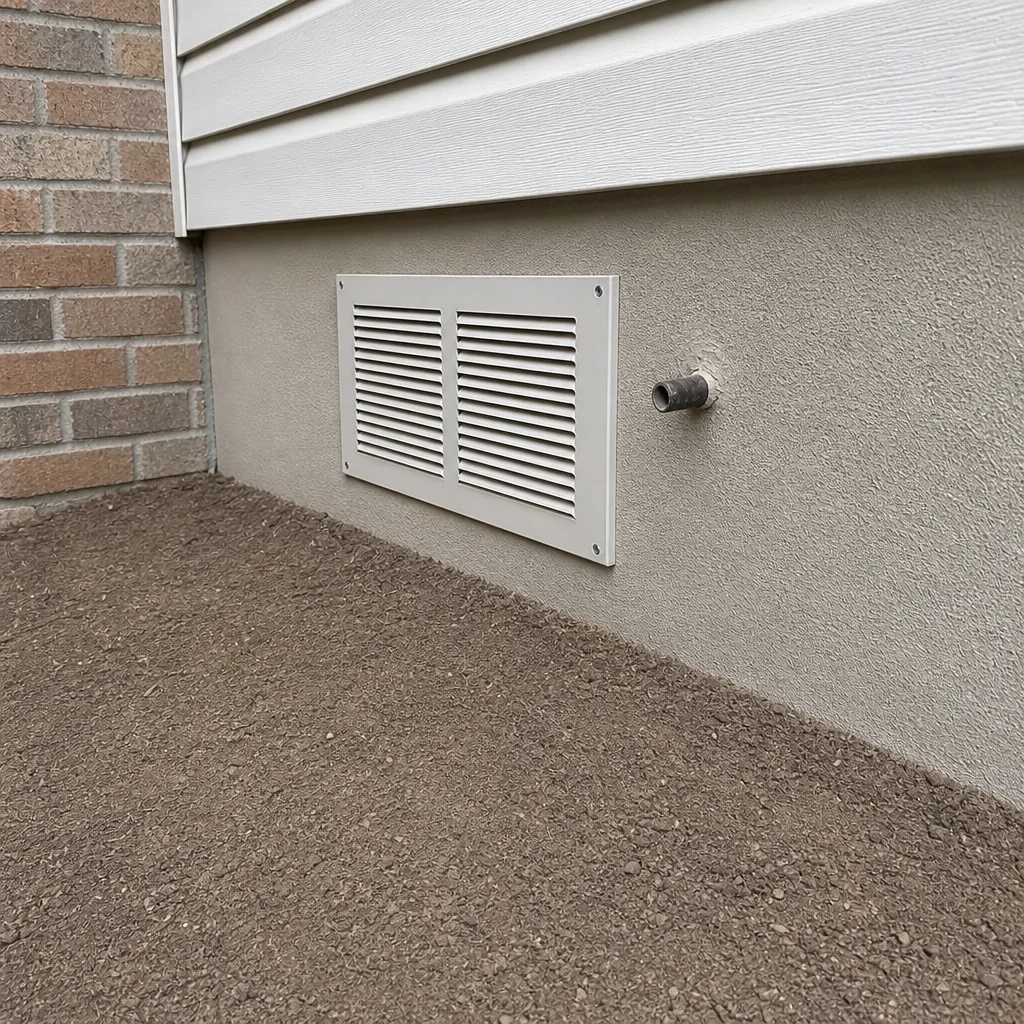
 Before
 After
 Before
 After
 Before
 After
When to Call a Professional
Duct cleaning isn’t a job anyone should attempt themselves, and it’s not always urgent. Some situations call for a professional inspection rather than a DIY attempt, and a few call for a call right away: visible buildup around return grilles or air handler doors, a musty smell when the system runs, a recent renovation that generated drywall dust, a home purchase where prior maintenance is unknown, allergy symptoms that flare with HVAC cycles, or a dryer that’s running hotter or longer than usual. If your home was built in Saratoga Springs in the 2005-2020 window and the ducts have never been professionally cleaned, that’s the strongest single reason to schedule an inspection.
Running a household vacuum through the registers won’t clear the debris and can drive fine particulate deeper into the system. For anything beyond grille-level cleaning, a professional with negative-air containment is the right call. Saratoga Springs Air Duct Cleaning Pros offers free estimates in Saratoga Springs – call (844) 542-4260. We answer 24/7, with fast dispatch from 7am to 7pm, Sunday through Friday. The not-a-pro scenario has a real cost: dust redistribution, re-soiling, and a clean you’ll need to book again sooner.
Frequently Asked Questions
Full-system duct cleaning in Saratoga Springs typically runs $350 to $650 for a home around 2,400 square feet, as an estimated range. The written estimate you receive is what sets the final price, and it should quote a flat rate for the entire system – not a per-vent charge. Call (844) 542-4260 for an exact quote – estimates are free.
Cheap quotes are usually one of three things – grilles-only cleaning, main-trunk cleaning without branch runs, or a bait-and-switch number that grows once the technician is on site. The equipment tells the story. A professional-grade system like Rotobrush or Nikro paired with negative-air containment costs more to run than a portable shop vac, and that difference is reflected in the price. Call (844) 542-4260 to compare a flat-rate quote for the whole system – estimates are free.
Before-and-after camera inspection photos of every major duct run, plus the air handler coil and return plenum. If your cleaner can’t provide those, you can’t verify anything happened. Ask up front, not afterward. Call (844) 542-4260 for a documented, flat-rate estimate – estimates are free.
Every four to five years is reasonable for most homes – but the high-desert dust load and the 2005-2020 construction window both shorten that in Saratoga Springs. If your home was built during the boom and the ducts were never cleaned post-construction, start with an inspection regardless of age. Call (844) 542-4260 to schedule a free estimate – we’ll let the findings tell you what’s needed.
It can, especially when paired with sanitizing and filtration upgrades from brands like Honeywell or Aprilaire. Removing accumulated dust, dander, and microbial buildup from the airstream reduces the debris load that allergy-sensitive occupants are exposed to. Cleaning alone isn’t a cure, but it removes a source of constant low-level exposure. Call (844) 542-4260 to talk through what’s realistic for your household – estimates are free.
Yes, when the clean includes the air handler coil and blower compartment, and when the duct joints are sealed afterward. Dirty coils and blowers reduce airflow, and leaking ducts pull in unconditioned attic air. Doing all three – cleaning, coil and blower service, and sealing – restores airflow and keeps the system from re-soiling. Call (844) 542-4260 for a flat-rate estimate on the full job – estimates are free.
The Bottom Line
Duct cleaning in Saratoga Springs isn’t a generic service applied to generic homes. The alkaline desert dust, the volume of homes built during the 2005-2020 boom, and the tight envelopes of newer construction make this market’s duct systems accumulate in specific ways most national advice doesn’t cover. The right answer starts with a camera inspection, uses professional equipment like Rotobrush and Nikro with real negative-air containment, covers the entire system from return plenum to supply registers – including coil and blower – and ends with before-and-after documentation. Duct repair and sealing, dryer vent cleaning, and air quality sanitizing round out the picture. If any of that is missing from a quote, the price reflects the shortcut. Call (844) 542-4260. We answer 24/7, with fast dispatch from 7am to 7pm, Sunday through Friday – the estimate is free, and the price is set per job by the written estimate.
Written by the team at Saratoga Springs Air Duct Cleaning Pros.