
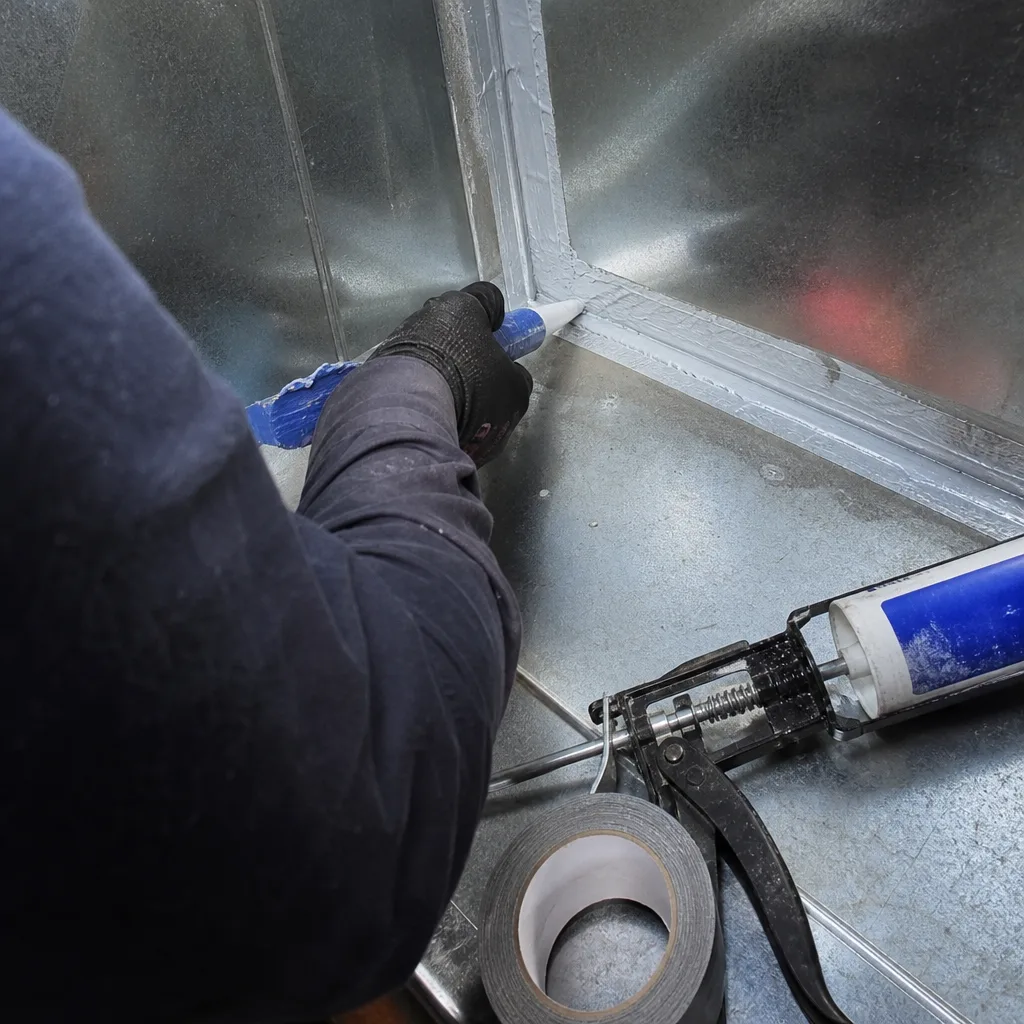
Last updated November 23, 2026
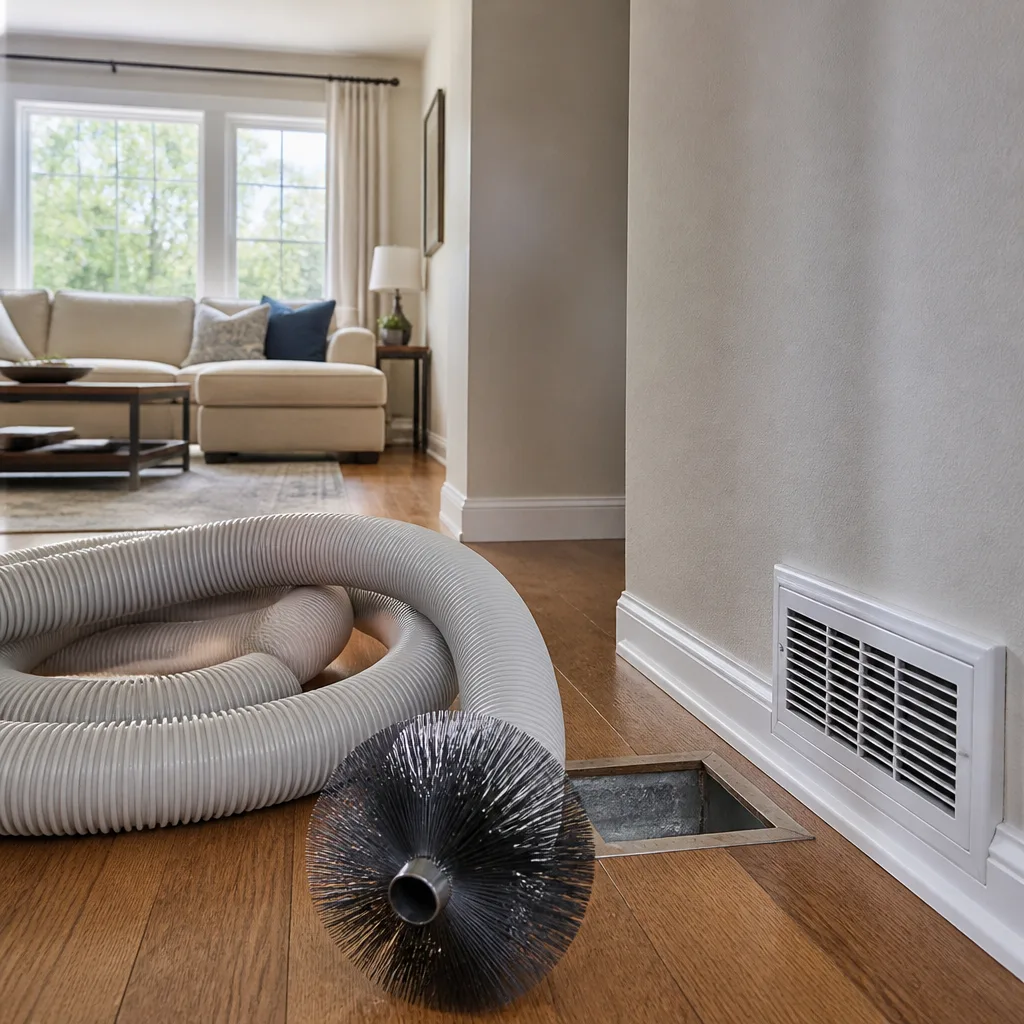 Whole-home duct cleaning
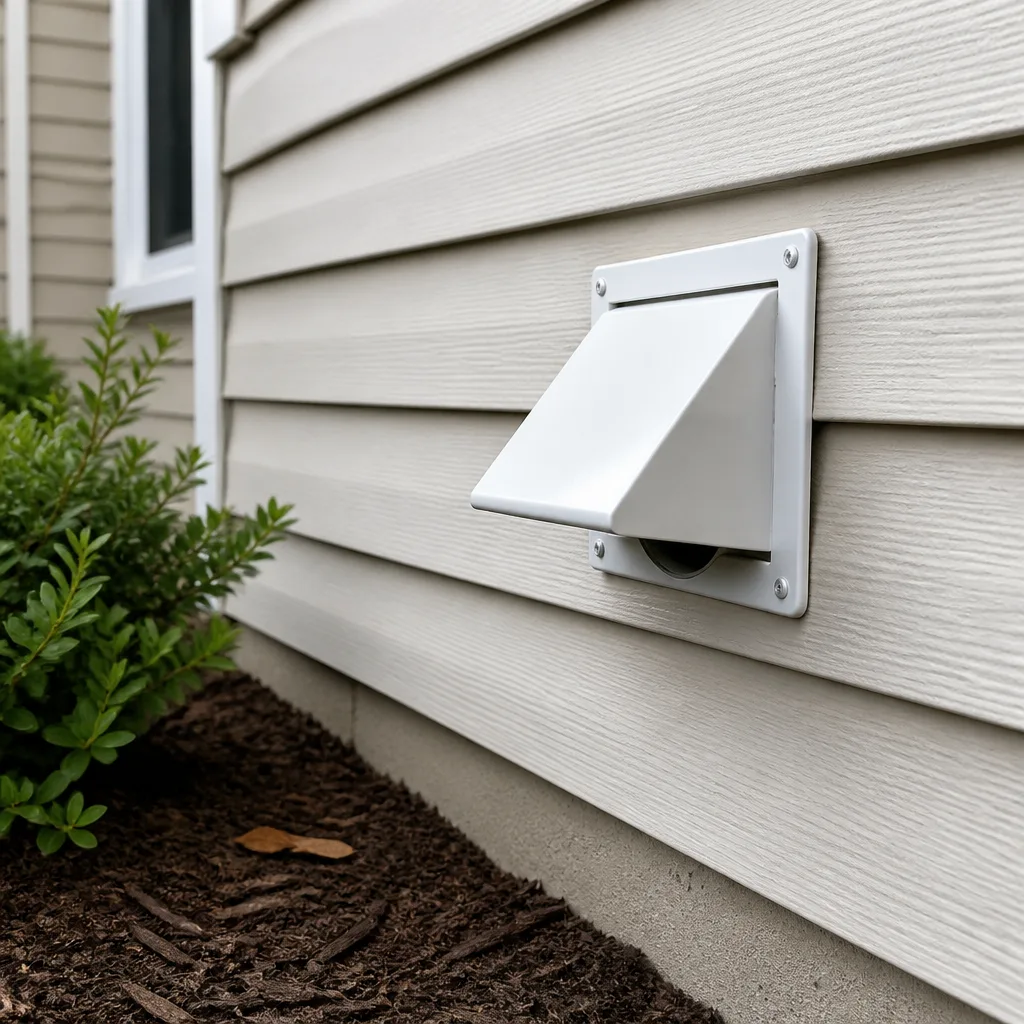 Dryer vent cleaning
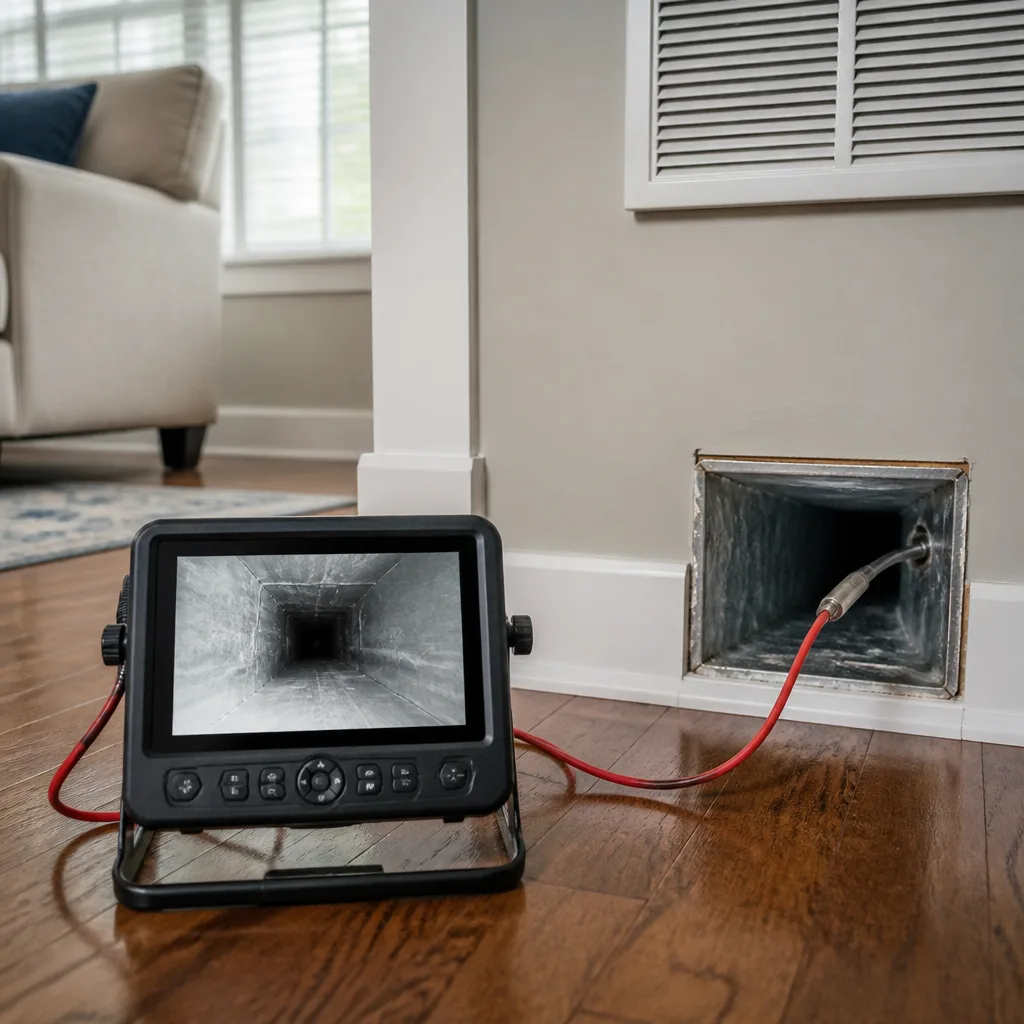 Camera inspection
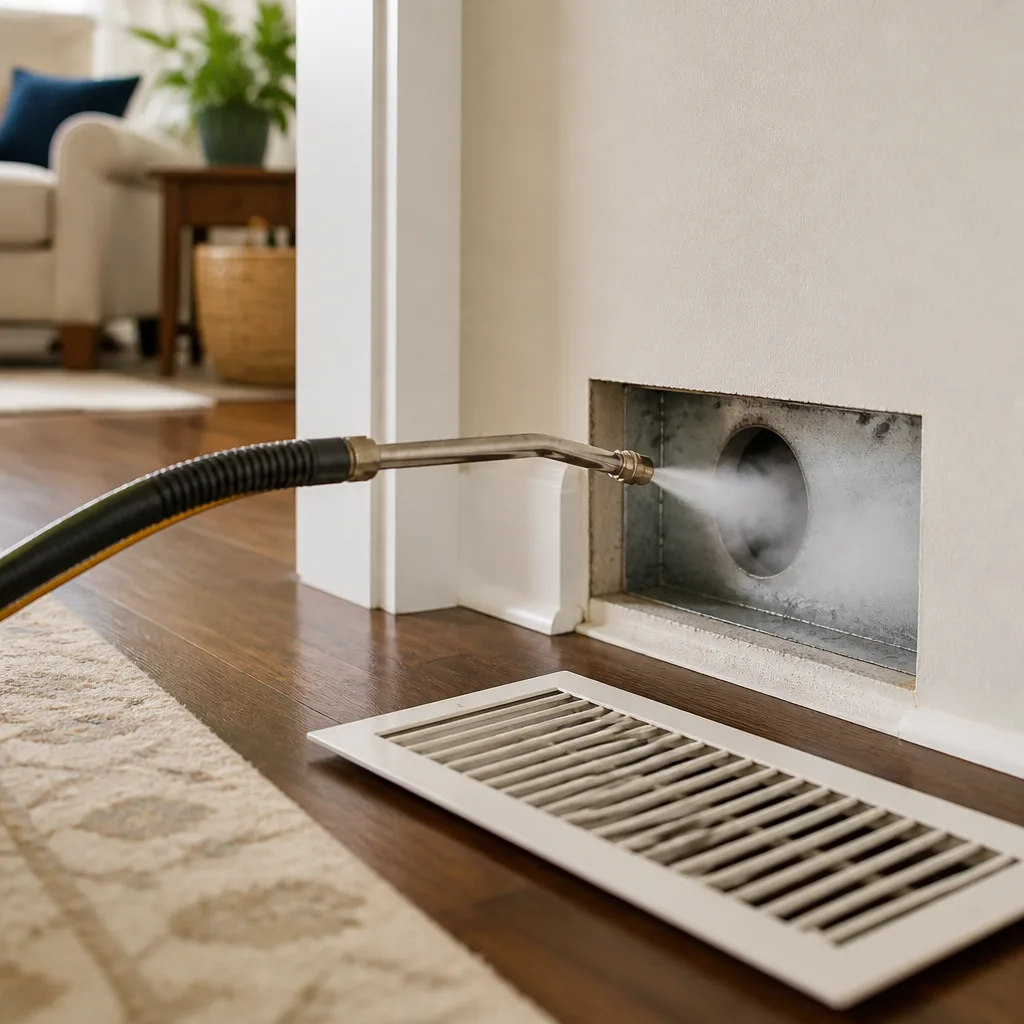 Sanitizing & deodorizing
Whole-system duct and dryer vent check with before-and-after photos - you see exactly what came out of your vents
That "$99 whole-house special" is a bait ad - the real number appears once they are in your hallway, or the "clean" is a shop-vac at the register. We photograph the inside of your ducts before and after instead.
DIY vs Professional Air Duct Cleaning: The Saratoga Springs Homeowner’s Decision Guide
Most homeowners who ask whether they should clean their own ducts are picturing the wrong task. They imagine dust sitting in a vent, and a vacuum strong enough to lift it out. What they’re actually facing is a closed network of sheet metal and flexible duct running through walls, ceilings, and crawlspaces, where debris settles along the bottom of long horizontal runs and never passes within reach of the register. The gap between what you can do with a shop vac and what the system needs isn’t a matter of effort or spending. It’s a gap in physics. This guide explains what a professional clean actually does, where DIY register cleaning fits, and how to decide for your own home in Saratoga Springs.
Quick Answer
For most homes, professional air duct cleaning is worth it and DIY is not a substitute. A shop vac or consumer duct kit can clean the register grille and the first 12 to 18 inches of duct, which is honest maintenance value between professional cleanings. It cannot create the sustained negative pressure across an entire trunk-and-branch system that professional equipment generates, so it leaves the debris that matters in place. In Saratoga Springs, where wind-blown dust and a long heating season both drive accumulation, the practical answer is DIY grille care in between, and a full professional clean on a realistic schedule.
Styles & brands we work with
- Whole-home duct cleaning
- Dryer vent cleaning
- Camera inspection
- Sanitizing & deodorizing
Table of Contents
- Why Negative Pressure Is the Whole Story in Duct Cleaning
- What a DIY Approach Actually Accomplishes
- When DIY Register Cleaning Makes Sense Between Professional Cleanings
- When DIY Gives You a False Sense of Completion
- The Real Risks of an Improper DIY Attempt
- An Honest Cost Comparison: DIY Supplies vs Professional Service
- How to Verify That Duct Cleaning Was Actually Done
- How Often Ducts Really Need Cleaning in Saratoga Springs
Why Negative Pressure Is the Whole Story in Duct Cleaning
A typical shop vac pulls something in the range of 60 to 80 cubic feet per minute of airflow at the hose. A truck-mounted duct cleaning unit moves 12,000 to 16,000 CFM. That difference isn’t a stronger vacuum. It’s a different category of force, and it changes what’s possible inside a duct.
Duct debris isn’t loose dust sitting on a shelf. It’s a matted layer of household dust, skin cells, pet hair, and construction grit that clings to the metal or flex liner, often held there by a light film of moisture and oil from cooking. To move it, you need airflow that can travel the full length of a trunk run, agitate the material where it lies, and carry it back to a collection point. That’s what negative pressure does. The unit holds the whole duct system under suction while a rotary brush or air whip travels through each branch, loosening debris that is then swept toward the collection source.
What a shop vac does inside a duct is different. Put the hose at a register and the suction dies within a foot or two because a duct is not a sealed tube you can pressurize from your end; it’s a long, leaky run that opens into other branches. The airflow drops off fast.
What this means in a Saratoga Springs duct system
Most homes around Saratoga Springs are built with a central forced-air system that includes a main trunk line and several branch runs feeding each room. Those runs can be 15 to 40 feet long from the air handler to the farthest register. Debris accumulates where airflow slows down, which is usually in the trunk and at the elbows, not at the vent cover. That’s precisely the part a homeowner can’t reach. Professional air duct cleaning uses high-volume negative pressure plus mechanical agitation, along with collection equipment so the dislodged material leaves the house rather than settling into the living room. The brands matter here: Rotobrush and Nikro systems are built for exactly this, which is why NADCA-aligned contractors specify them.
What a DIY Approach Actually Accomplishes
DIY duct care is not worthless. It’s just narrower than most people think. Here’s an honest list of what a homeowner can actually do well:
- Clean the supply and return register grilles. These collect a visible dust mat that reduces airflow and looks bad. Removing the grille, washing it in the sink, and drying it thoroughly before reinstalling is real maintenance.
- Vacuum the immediate duct opening. With the grille off, a shop vac plus a long crevice tool can reach the first 12 to 18 inches of duct. That’s the section most visible and most likely to be loaded with dust.
- Wipe the surrounding drywall and trim. Dust streaks around registers are cosmetic but they’re the first thing a homeowner notices, and a damp cloth fixes it.
- Replace the air filter on schedule. This is the single highest-value duct-adjacent task a homeowner can do, and it takes two minutes. A clogged filter strains the blower and drives dust back through the system.
- Keep the return air path clear. Furniture, rugs, and stored boxes that block return grilles force the system to work harder and pull dust from other places.
In our experience across Saratoga Springs, the majority of “my ducts feel dirty” complaints come from the grilles and the first foot of duct, and that part genuinely responds to homeowner effort. The rest of the system doesn’t.
When DIY Register Cleaning Makes Sense Between Professional Cleanings
Homeowners who want the honest answer on when to skip the call and pick up the vacuum should follow a few clear rules:
- It’s been less than a year since a professional clean. If the system was properly cleaned recently, the visible dust on the grilles is normal surface accumulation, not a sign the ducts are full again. Clean the grilles and leave the ducts alone.
- The home is low-occupancy and low-dander. No pets, no smokers, no recent renovations, and no allergy complaints. Dust load is naturally lower, so grille care is proportionate to the problem.
- You just want to freshen the look before guests or a showing. Washing grilles and wiping trim is legitimate cosmetic upkeep and takes minutes.
- The furnace filter is being changed on schedule. If the filter routine is solid, the system is doing its job of trapping incoming dust, and DIY isn’t fighting an uphill battle.
- You’ve confirmed there is no moisture, musty smell, or visible growth. Any sign of water intrusion or microbial growth ends the DIY conversation immediately. Those situations call for inspection.
In Saratoga Springs, DIY grille cleaning is especially useful in the transition between heating and cooling seasons. The furnace runs hard all winter through the Utah Valley heating season, dust loads build, and a spring wipe-down of grilles and trim is a real improvement for a few dollars of supplies. It is not a substitute for the deeper work.
When DIY Gives You a False Sense of Completion
The danger of DIY isn’t that it fails. It’s that a homeowner cleans the grilles, sees the dust disappear from the visible surfaces, and concludes the ducts are done. The contaminated material is still in the trunk. Here’s when that matters most:
- You just bought the home. Previous occupants’ dust, pet dander, and possibly construction residue from a recent remodel are sitting in the ductwork, and the registers can look clean while the trunk is loaded. A pre-move-in professional clean is common for a reason.
- The house had a recent renovation. Drywall dust, sawdust, and paint overspray settle throughout the system and are heavy enough to travel deep into trunk runs. Grille cleaning leaves the bulk of it in place.
- There are allergy or asthma complaints. If family members are reacting to indoor air, the source is often deeper than the register, and a surface clean doesn’t shift the outcome.
- An aging HVAC system has never been cleaned. Fifteen or twenty years of accumulation lives in the trunk and coils, not the vents. Cleaning the visible parts creates a false sense of progress on a system that still needs work.
- There was water intrusion or a musty smell. No amount of grille cleaning resolves a moisture problem. That’s an inspection matter, and often a sanitizing matter, not a DIY one.
- You’re planning a dryer vent DIY attempt. Dryer vents are a different hazard entirely, covered below, and most homeowners should not be reaching a shop vac into a lint duct.
When any of these apply in Saratoga Springs, the practical choice is to book Saratoga Springs Air Duct Cleaning Pros for a full-system assessment rather than assume register cleaning did the job.
The Real Risks of an Improper DIY Attempt
Most duct-cleaning injuries come from a homeowner trying to solve a deeper problem with consumer equipment. The specific risks worth understanding:
Pushing debris deeper
When suction is weaker than the debris load, a shop vac hose can loosen the top layer of dust and drive it into the trunk where airflow carries it to other rooms. The result is a worse problem than before, spread across more registers. Professional negative-pressure equipment prevents this because the entire system is held under suction during agitation.
Damaging duct board and internal insulation
Older homes in Saratoga Springs and the surrounding Utah Valley often have duct board or flex duct with a foil and insulation lining on the inside. A stiff shop vac brush or a homemade “whip” scratches that liner. Once it tears, the exposed insulation becomes a dust trap and can release fiberglass particles into the airstream. This is a common source of follow-up repairs and is exactly why professional systems use gentle rotary agitation matched to the duct material.
Spreading mold spores
If there is any microbial growth inside the system, running a consumer vacuum through it can aerosolize spores into the living space. Proper sanitizing work, which we handle with Abatement Technologies containment and filtration equipment, is designed to prevent that spread. A shop vac is not.
Dryer vent danger
Dryer vents are a leading cause of residential fires and a genuine hazard if attempted without the right tools. The lint is compacted along the run, and pushing a shop vac hose in from the outside can pack it tighter rather than remove it. dryer vent cleaning is a job for professional equipment, not a homeowner’s shop vac.
Electrical and gas line proximity
Reaching a vacuum hose into a return duct near the air handler puts you in proximity to electrical components and, depending on the system, gas lines. This is work that belongs to a trained technician. Our technicians have up to 8 years of experience with the systems common to Saratoga Springs homes and will not improvise around a safety risk.
An Honest Cost Comparison: DIY Supplies vs Professional Service
Here’s the comparison most duct-cleaning sites won’t show you, because it doesn’t fit a hard-sell story either way. Below is what each approach actually delivers for the money. Pricing is typical local market range, given as estimates, and the written estimate from a professional always sets the final price.
- DIY shop vac and hose: If you already own a shop vac, the marginal cost is nearly zero. A duct-cleaning kit with a brush and hose extender typically runs $30 to $80. What you get: register grilles and the first 12 to 18 inches of duct, cleaned well, plus the cosmetic improvement of grille and trim work.
- DIY rental of a consumer “duct cleaning” unit: Typically $60 to $120 per day from a home improvement rental counter. What you get: slightly better airflow than a shop vac, but still well below professional negative-pressure equipment, and no ability to hold the entire system under suction. Most homeowners report better results from a professional clean after a rental attempt.
- Filter replacement: $15 to $40 depending on filter grade, and genuinely valuable. Not a duct clean, but the highest-value DIY task in the whole system.
- Professional air duct cleaning: Typically $350 to $700 for a standard residential system in the Saratoga Springs market, depending on the number of registers, system age, and whether duct repair or sanitizing is included. The estimate is free and the price is set per job.
- Professional dryer vent cleaning: Typically $100 to $180 as a standalone service, and worth every dollar given the fire risk. Frequently bundled into a full-system service call.
The technical return on DIY is real but limited: grille cleanliness and the first foot of duct. The technical return on professional work is the entire trunk and branch system, mechanical agitation matched to the duct material, containment of the dislodged material, and inspection for leaks or damage. Those are two different deliverables, and the price difference reflects that, not a marketing markup.
One more angle worth stating plainly: the cheapest professional quotes tend to come from operators who use the same consumer-grade equipment you could rent yourself, plus a truck with a bigger hose. That’s not a category of work worth paying for. The professional work worth paying for is priced honestly, agreed in writing before it starts, and uses the equipment category we describe on this page. HVAC cleaning is a related service we handle for homeowners who want the air handler and coil cleaned alongside the ducts, since the two are functionally connected.
How to Verify That Duct Cleaning Was Actually Done
The single biggest homeowner complaint about duct cleaners is that there’s no way to tell what happened. Here’s a checklist that separates a real job from a paper receipt:
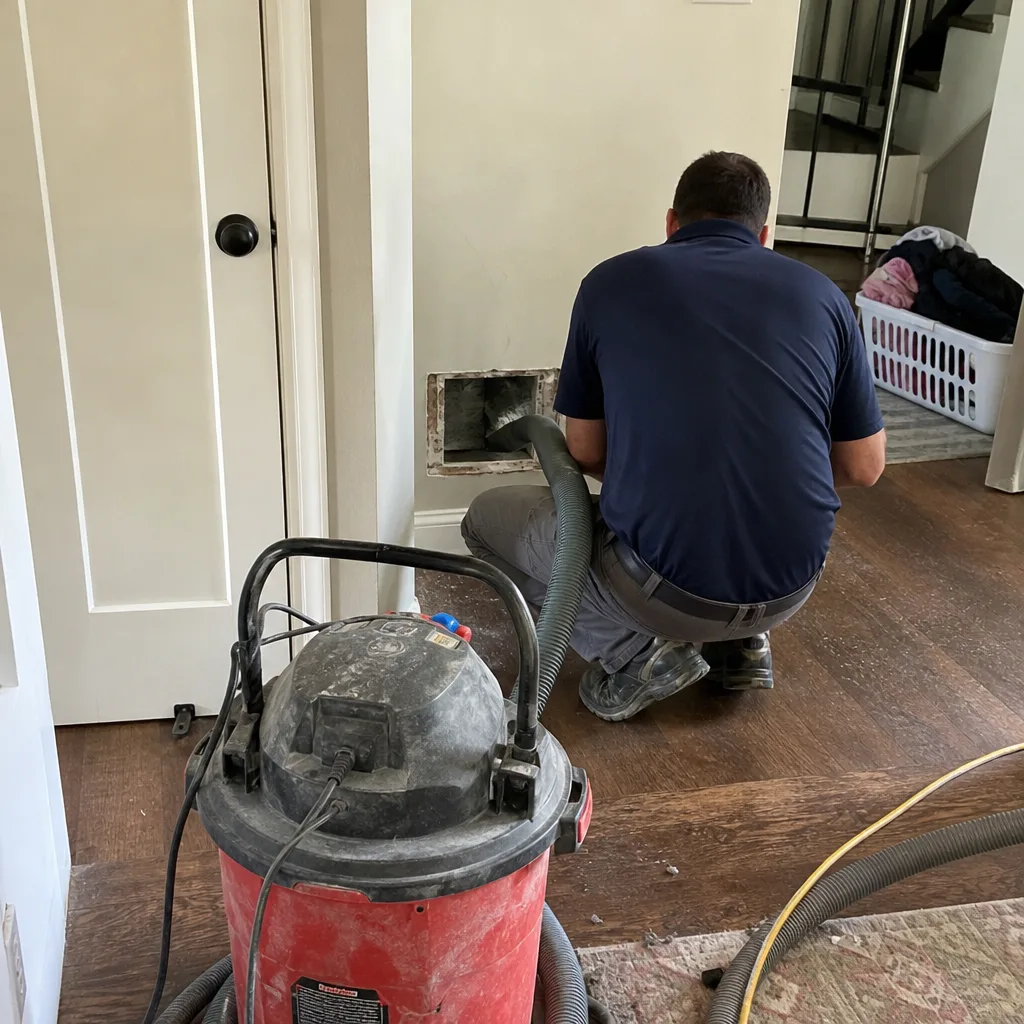
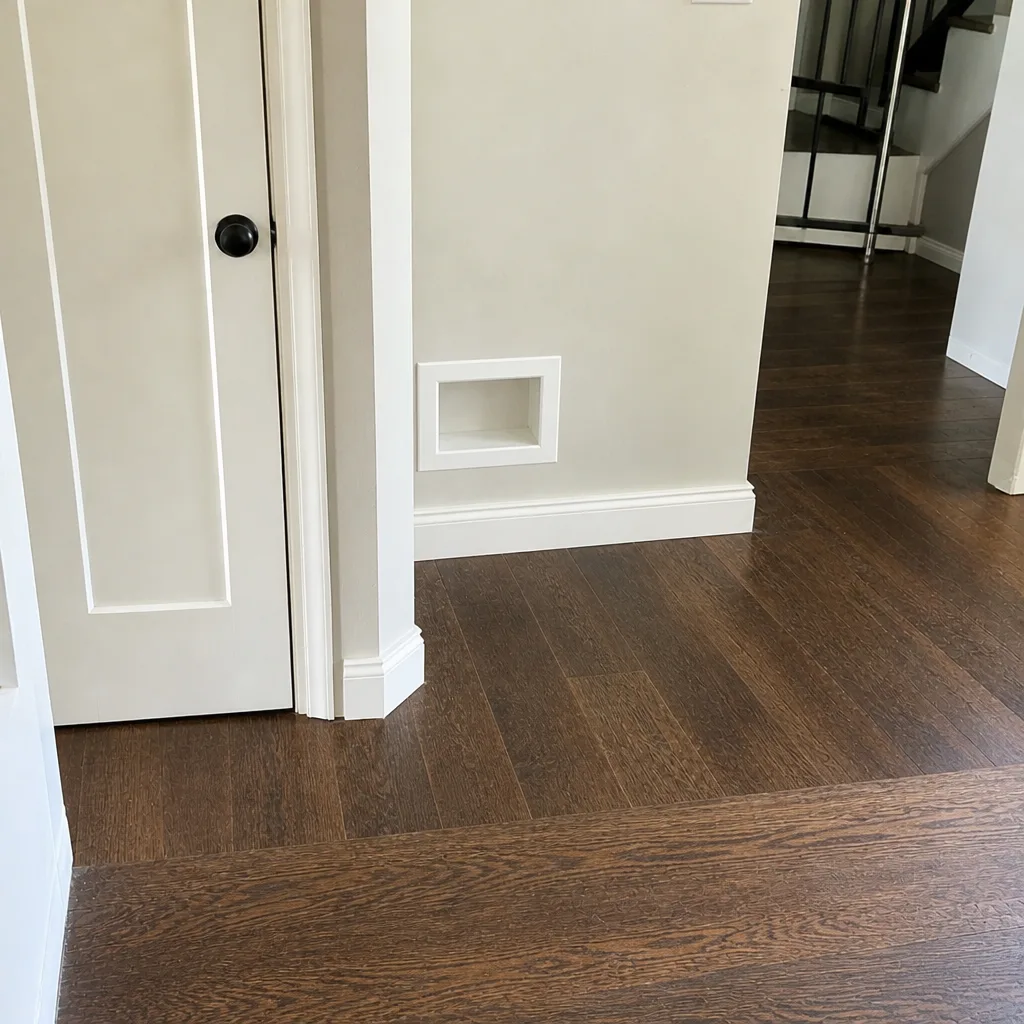
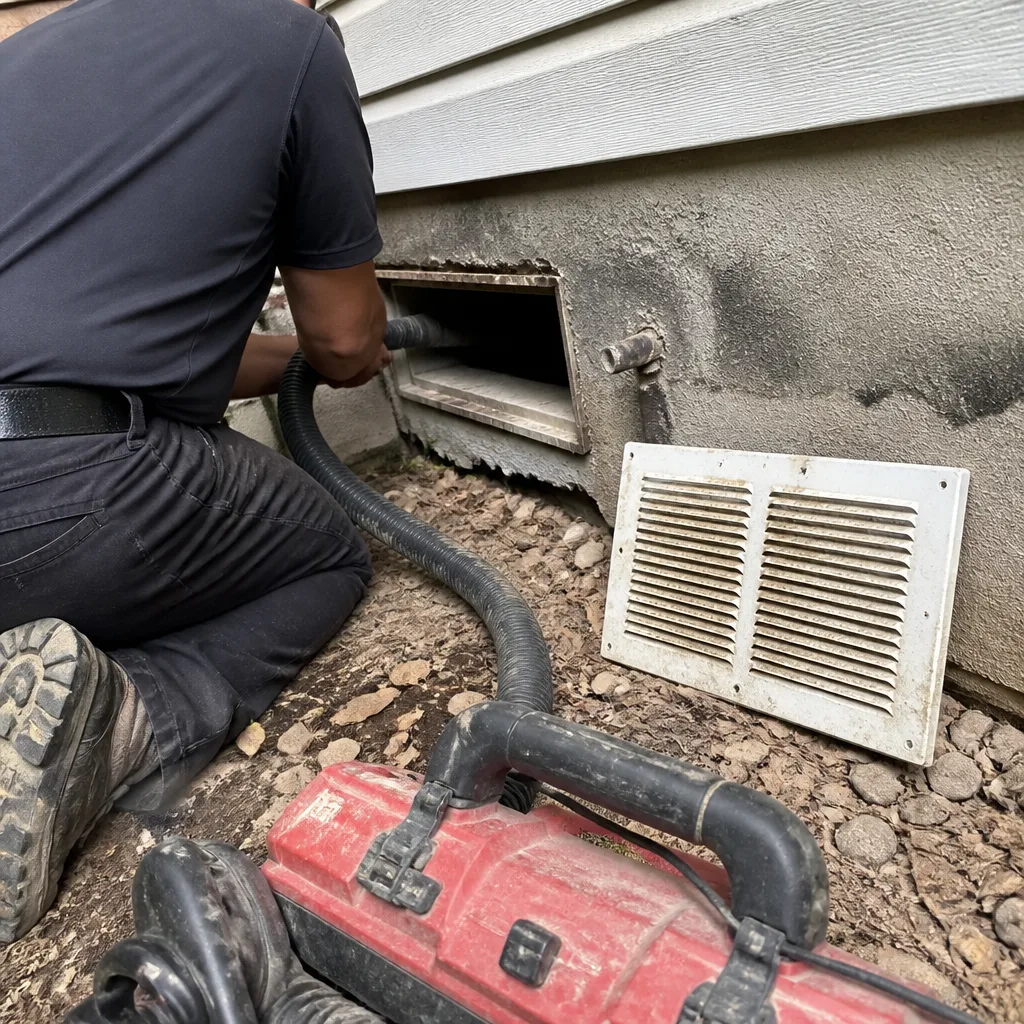
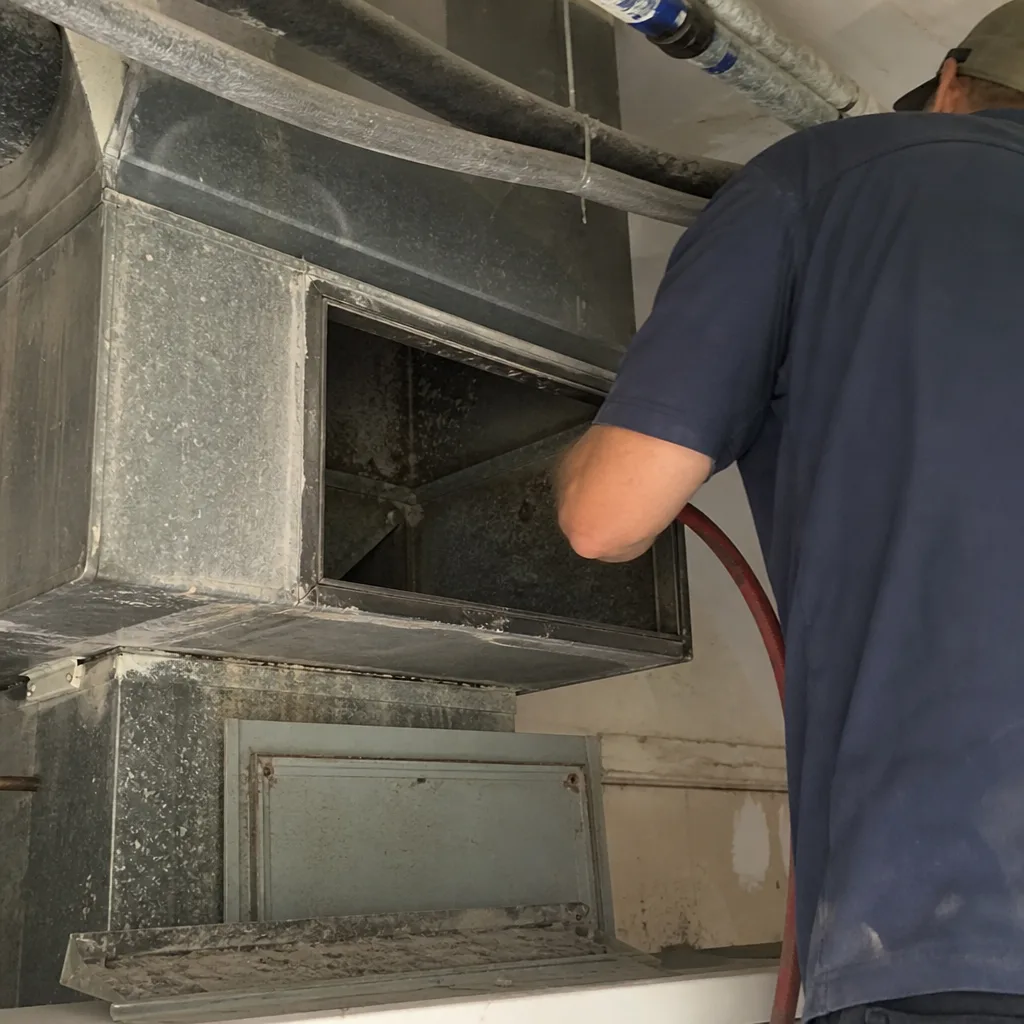
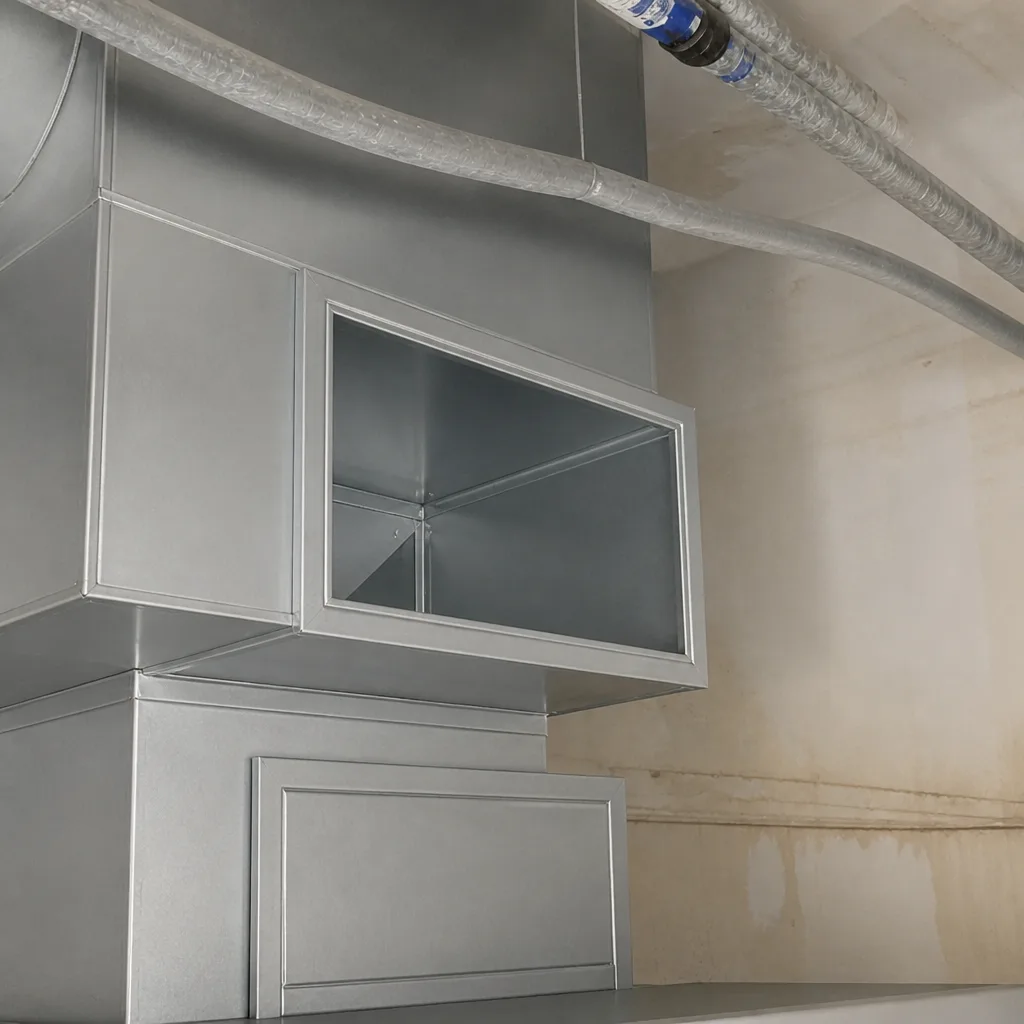
- Before-and-after photos of your own ducts. Any professional operation should be photographing your supply trunk, return, and air handler before and after. If they can’t show you, they didn’t do the work at the standard you’re paying for.
- Watch the collection. A genuine high-volume negative-pressure unit should visibly be collecting material – the debris comes out of the system into a collection point, not just into the air.
- Ask about equipment by name. Rotobrush and Nikro are industry-recognized professional systems, and asking what machine is coming tells you immediately whether you’re getting a professional job or a consumer vacuum with a long hose.
- Get the price agreed in writing before work starts. No per-vent surprise pricing, no upcharge once the technician is on site. The written estimate sets the price.
- Ask what happens if damage is found. Duct repair and sealing capability matters, because a technician who can fix what they find is doing root-cause work, not surface cleaning. That’s a service most duct cleaners skip entirely.
- Ask about air handler access. A real clean includes the air handler cabinet and the coil where reachable. A clean that never opens the air handler is a partial job.
If a company can’t answer these six questions without hesitation, the price isn’t the issue. The scope is.
How Often Ducts Really Need Cleaning in Saratoga Springs
There’s no universal schedule; there’s a schedule that makes sense for your home. Here’s how we think about it for Saratoga Springs homeowners:
- Every 3 to 5 years for a typical home with pets or allergy-sensitive occupants, as a baseline. The long heating season and windy spring dust cycles in Utah Valley move more particulates through the system than coastal or humid climates do.
- Every 2 to 3 years for homes with heavy shedding pets, smokers, or occupants with asthma or allergies.
- Immediately after a major renovation that opened walls or generated significant dust.
- At move-in when buying a previously owned home, especially if the prior owner had pets or the ductwork is older.
- Dryer vent cleaning every 1 to 2 years, and more often for larger households running multiple loads a day.
The honest test isn’t the calendar. It’s what the return vent and the air handler look like when a professional opens them. A clean grille in a home with a loaded air handler coil is a sign of a duct system that needs attention now, not in three years.
Common Mistakes to Avoid
- Never hire a duct cleaner who quotes per vent over the phone. A real estimate requires seeing the system. Prices quoted as teaser coupons hide the real cost until the technician arrives.
- Never assume grille cleaning equals a duct clean. If you’re seeing dust on the grilles and you assume the whole system is dirty, you may either overpay for an unnecessary clean or under-clean a system that needs one. The grille is a surface; the trunk is where the accumulation lives.
- Never run a consumer vacuum in a duct with visible moisture or musty odor. That’s a sign of microbial growth, and a DIY attempt can aerosolize spores into the living space. Call for inspection instead.
- Never ignore a damaged flex duct liner. If a duct has been torn or crushed, cleaning alone makes the problem worse because the exposed insulation keeps re-introducing dust. Duct repair and sealing is the fix.
- Never skip the dryer vent because you already had duct cleaning done. Dryer vents aren’t connected to the HVAC system, and duct-only companies often skip them. This is one of the most important fire-safety services in a home.
- Never accept a clean without before-and-after photos of your own ductwork. It’s the only verifiable proof that the work was done to standard.
- Never forget the filter. A homeowner who cleans grilles religiously but forgets the filter is running an expensive, inefficient system. Change the filter on schedule, always.
See the difference
 Before
 After
 Before
 After
 Before
 After
When to Call a Professional
If any of the following apply in your Saratoga Springs home, call for a professional assessment rather than attempting a DIY clean: you’ve just bought the home, the previous owner had pets, you’ve completed a renovation, there’s a musty odor or visible moisture, the system is older and has never been cleaned, anyone in the home has asthma or seasonal allergies, or the dryer vent hasn’t been cleaned in over a year. Any one of these is enough. Saratoga Springs Air Duct Cleaning Pros offers free estimates in Saratoga Springs, and our technicians have up to 8 years of experience with the duct systems common to Utah Valley homes. Call (844) 542-4260. We answer 24/7. Fast dispatch from 7am to 7pm, Sunday through Friday.
Frequently Asked Questions
Yes, but only for register grilles and the first foot or so of duct. Consumer equipment can’t generate the negative pressure required to clean a full trunk-and-branch system, so DIY is legitimate maintenance between professional cleans, not a replacement for one. Call (844) 542-4260 for an exact quote on a full-system clean. Estimates are free.
A typical residential air duct cleaning in the Saratoga Springs market runs $350 to $700, depending on the number of registers, system age, and whether sanitizing or duct repair is added. Dryer vent cleaning as a standalone typically runs $100 to $180. Every job is priced per system by the written estimate, agreed before work starts. Call (844) 542-4260 for an exact quote. Estimates are free.
Cheap quotes usually come from operators using consumer-grade vacuums or truck-mounted units without mechanical agitation, or from teaser pricing that balloons once a technician is on site. A quote that’s a fraction of the local market range isn’t a bargain; it signals a different scope of work. Our pricing is per system, agreed in writing before work starts. Call (844) 542-4260 for a real quote. Estimates are free.
Ask for before-and-after photos of your own ducts, ask what equipment is being used (Rotobrush and Nikro are industry-recognized professional systems), and confirm the scope covers the air handler, supply trunk, and returns. A real job is verifiable, not just a receipt. Call (844) 542-4260 to schedule. Estimates are free.
Most homes do well on a 3 to 5 year schedule, with 2 to 3 years for homes with pets, smokers, or allergy-sensitive occupants. Post-renovation and move-in cleans are almost always worth doing regardless of schedule. The Utah Valley’s long heating season and spring dust cycles push accumulation faster than many homeowners expect. Call (844) 542-4260 for an exact quote on your home. Estimates are free.
Yes, and it’s worth doing together since dryer vent cleaning is a leading cause of residential fires and a service most duct-only companies skip. Our technicians handle both as part of the same visit. Call (844) 542-4260 to schedule. We answer 24/7. Fast dispatch from 7am to 7pm, Sunday through Friday.
The Bottom Line
The DIY vs professional question for air duct cleaning isn’t about effort or frugality. It’s about whether consumer-grade equipment can move the air and generate the negative pressure required to dislodge debris from the trunk of a duct system, and it can’t. DIY register cleaning is honest maintenance between professional cleans, and worth doing. It’s not a substitute for a full-system clean, especially after a renovation, a move-in, or when there’s any sign of moisture or microbial growth. Saratoga Springs homeowners who want verifiable work should look for professional equipment by name, per-system pricing agreed in writing, and before-and-after photos of their own ducts. Call (844) 542-4260 for a free estimate.
Written by the team at Saratoga Springs Air Duct Cleaning Pros.