
Last updated November 23, 2026
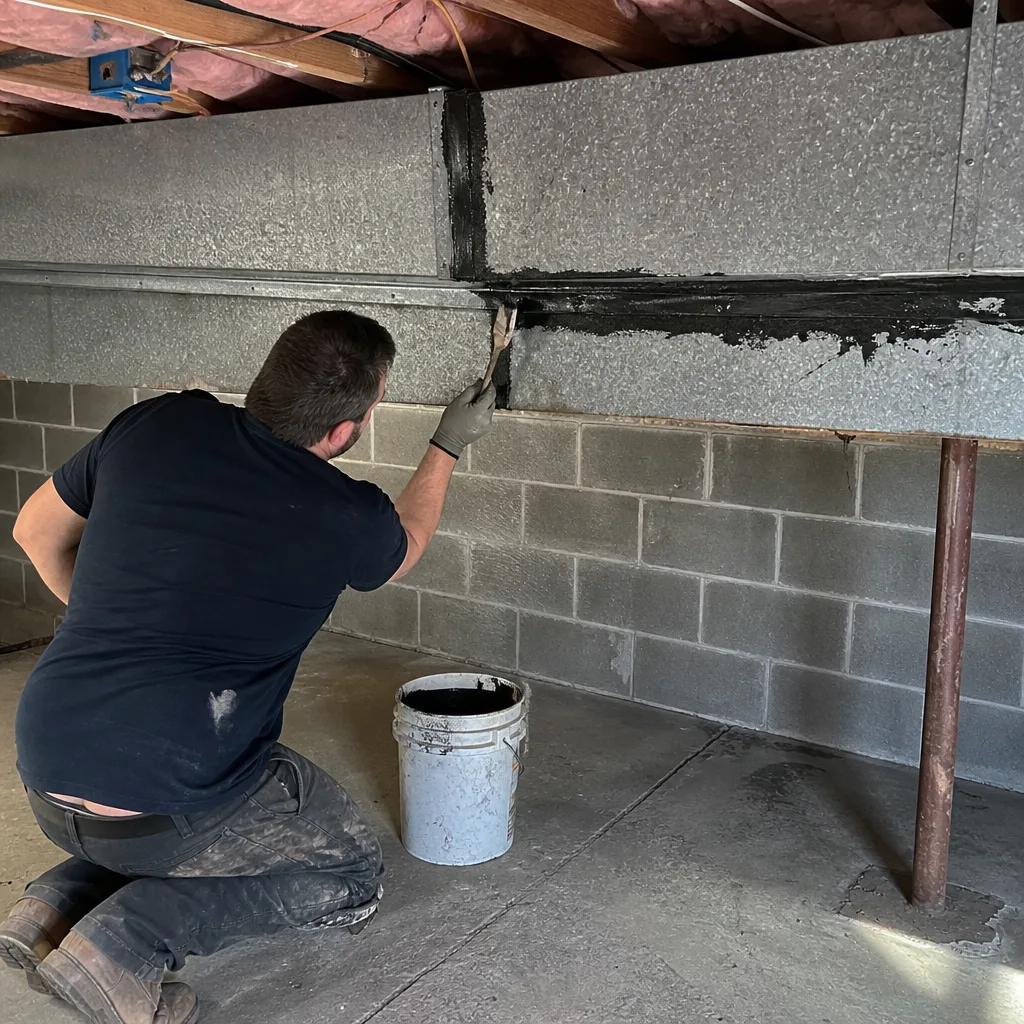
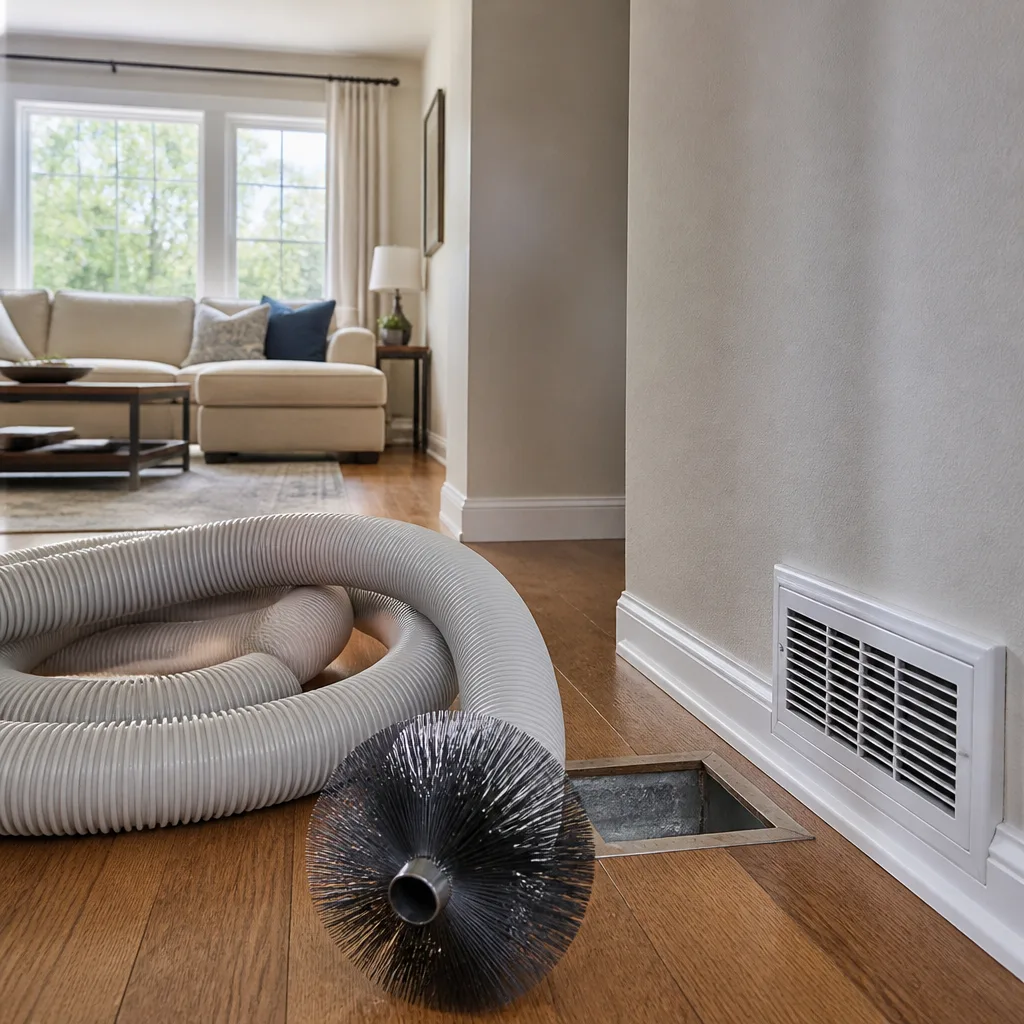 Whole-home duct cleaning
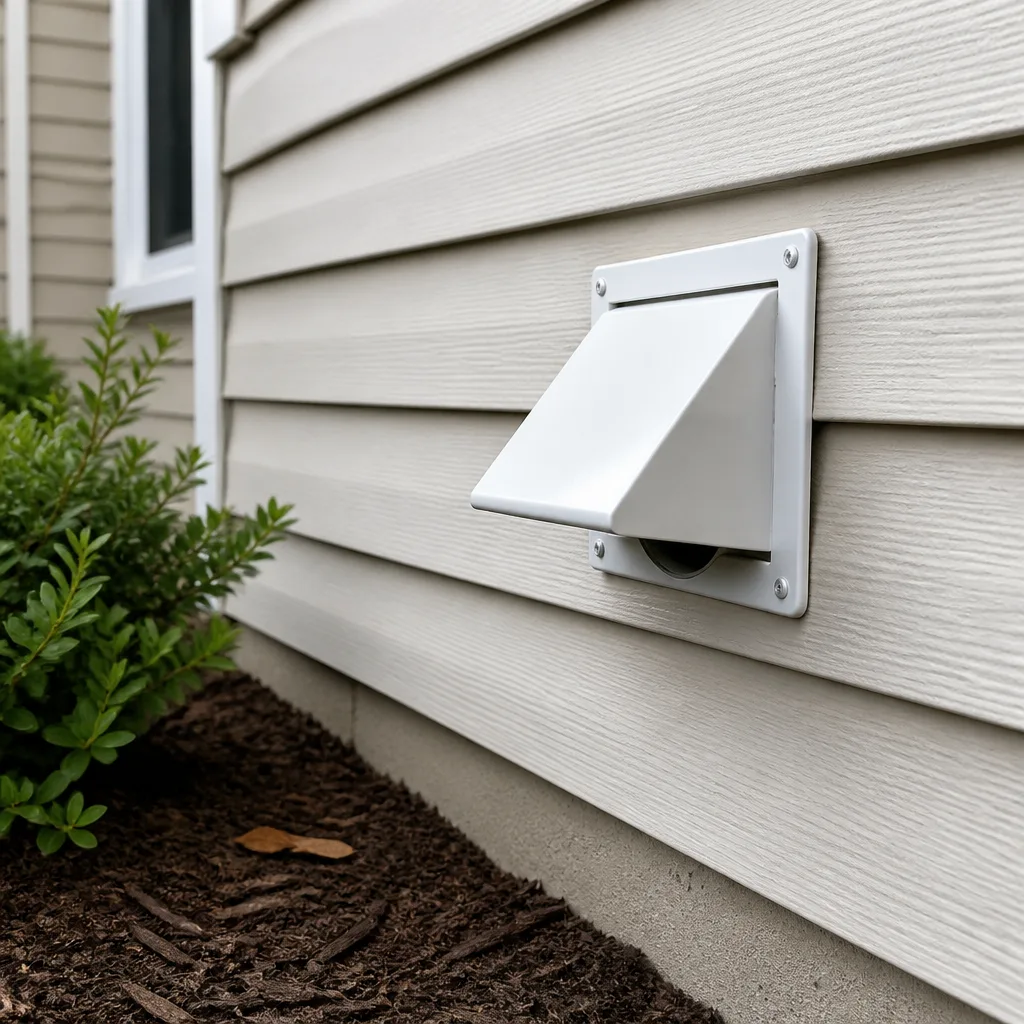 Dryer vent cleaning
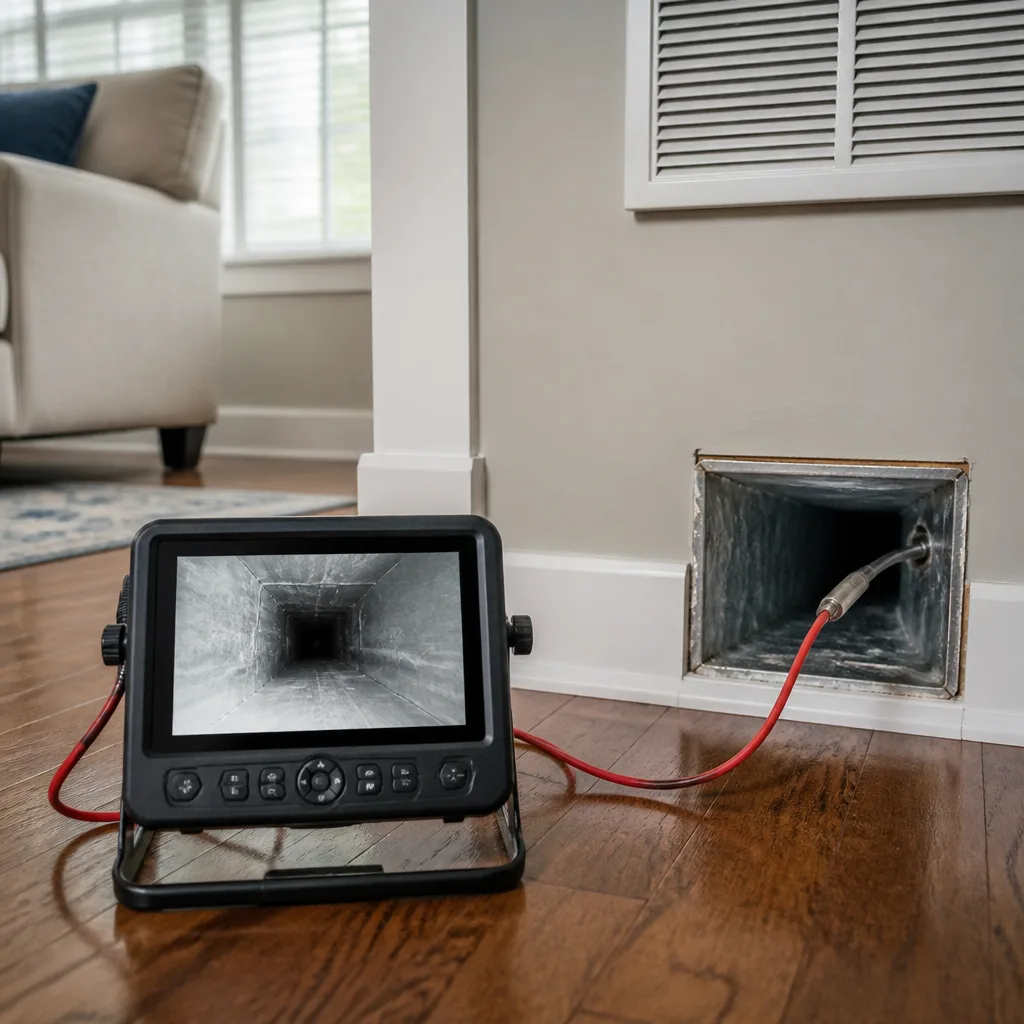 Camera inspection
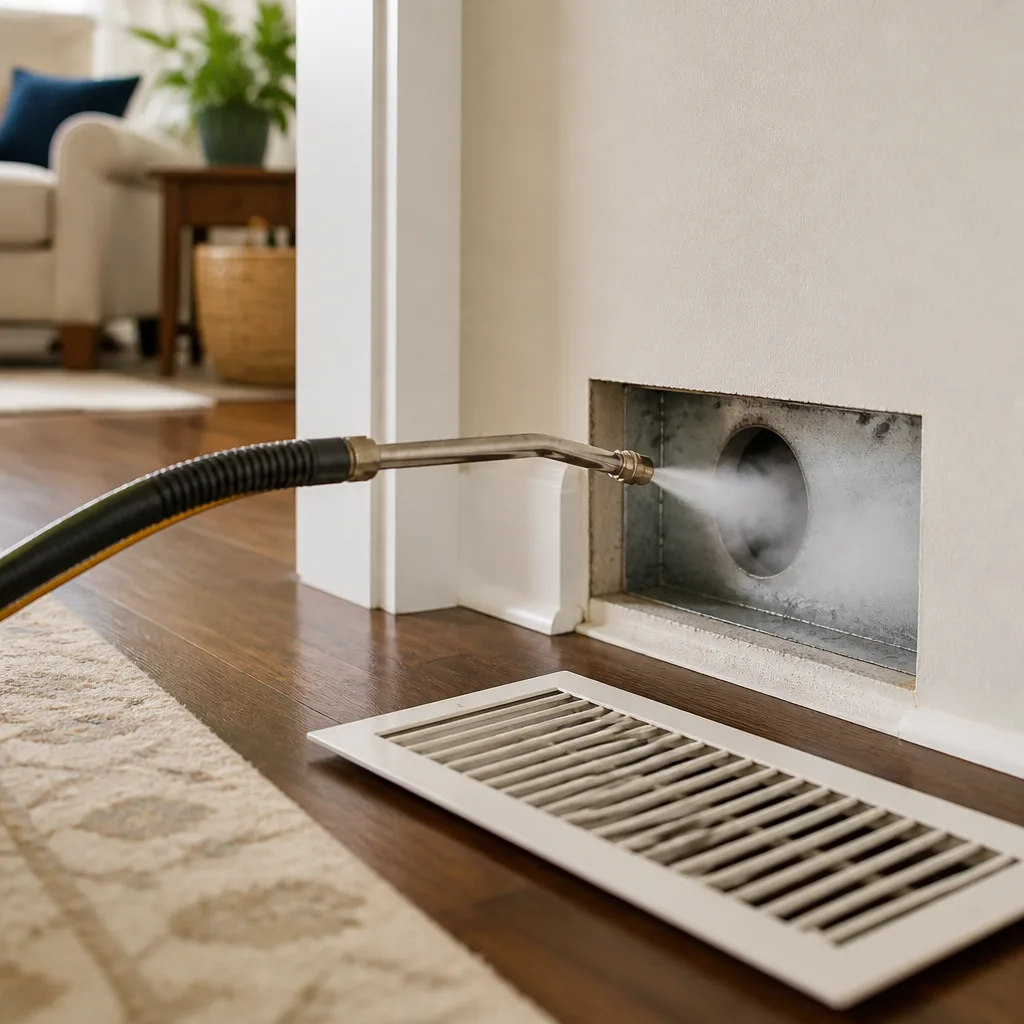 Sanitizing & deodorizing
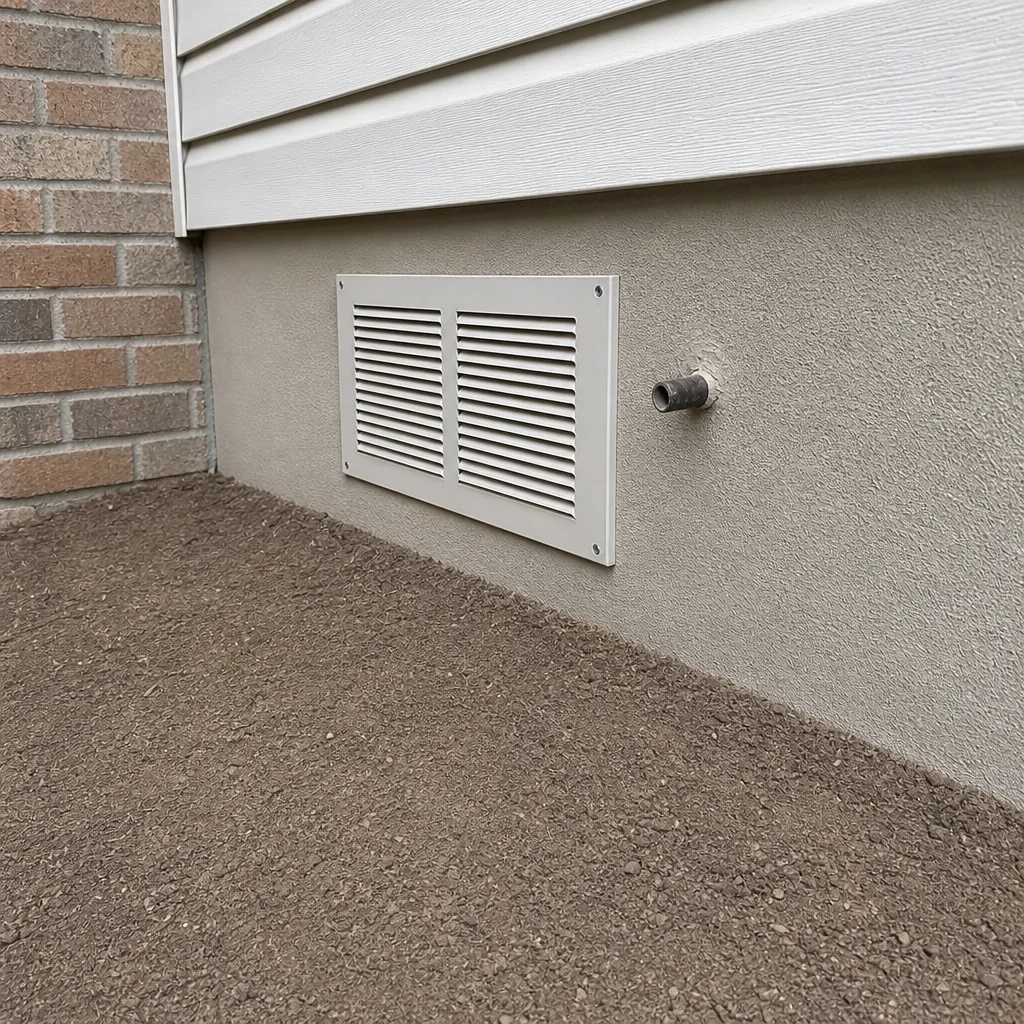
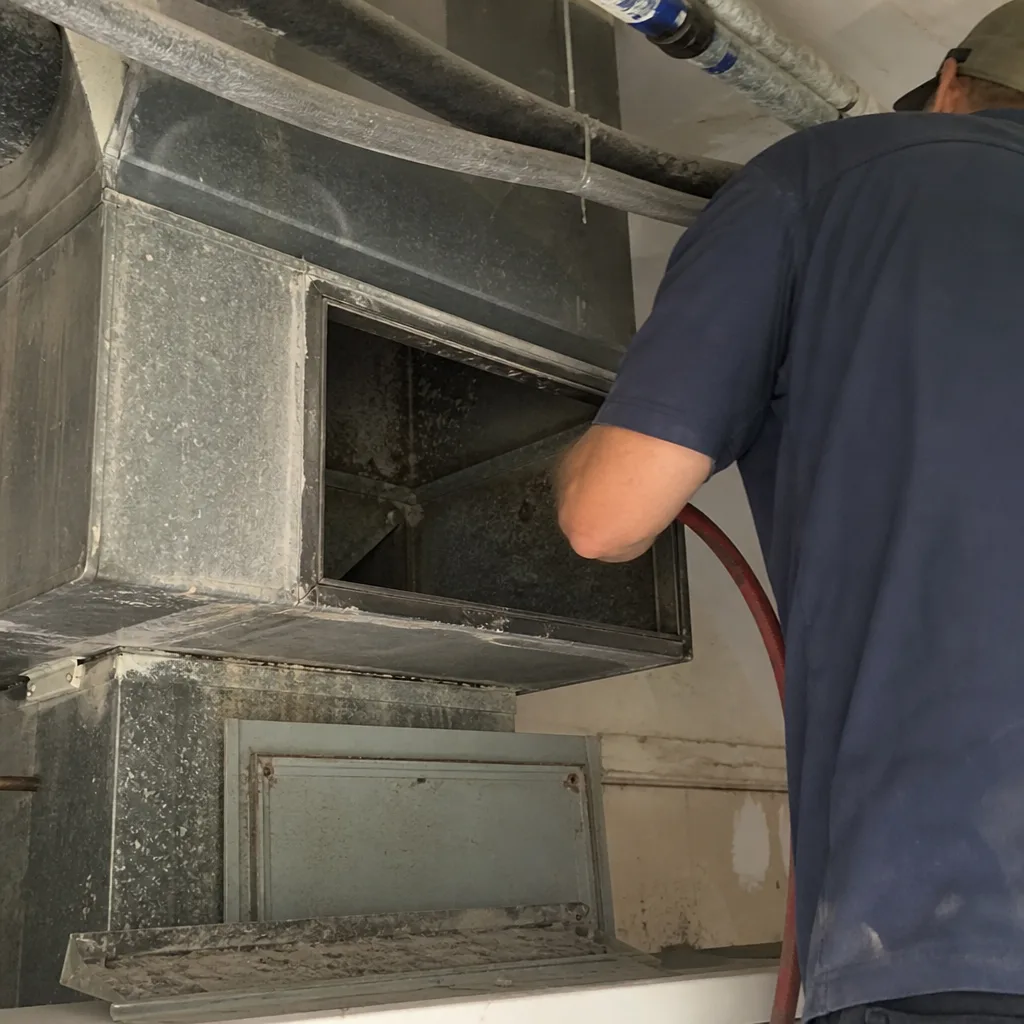
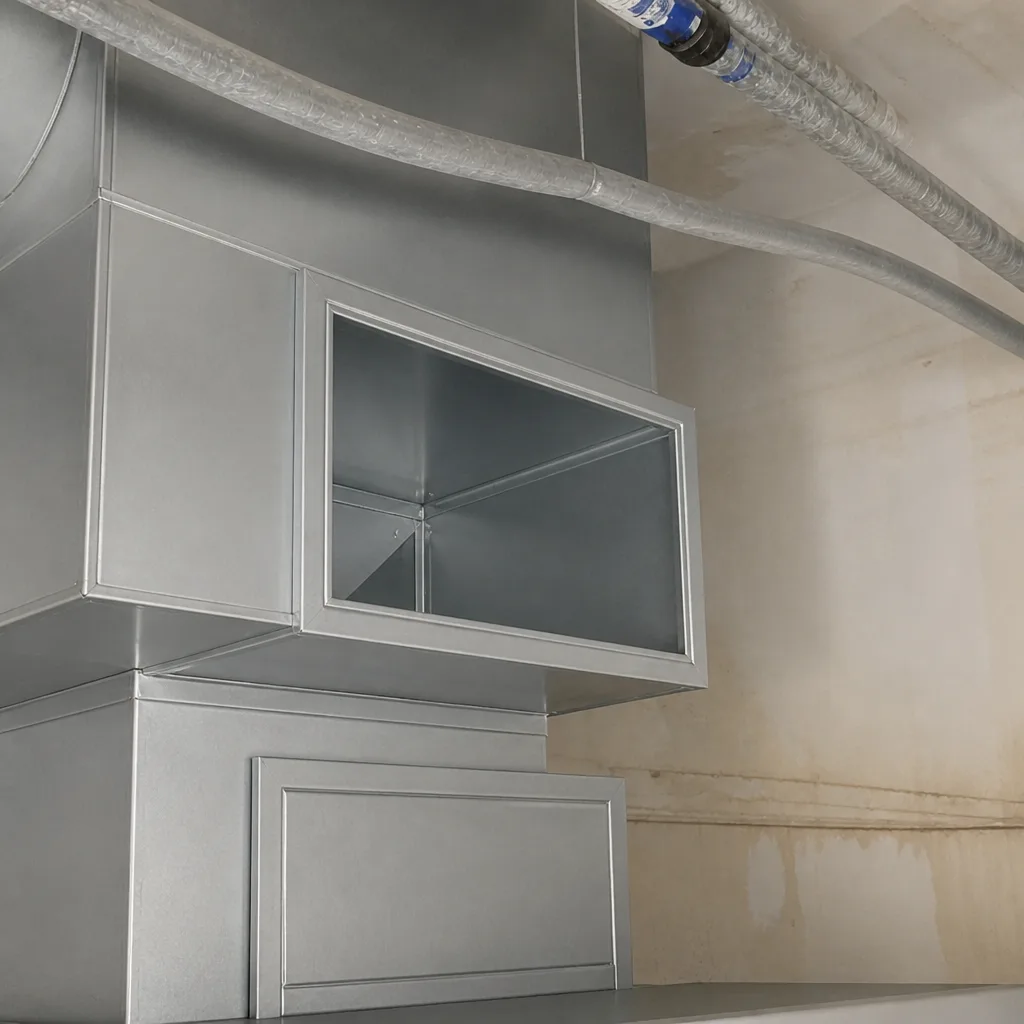
Whole-system duct and dryer vent check with before-and-after photos - you see exactly what came out of your vents
That "$99 whole-house special" is a bait ad - the real number appears once they are in your hallway, or the "clean" is a shop-vac at the register. We photograph the inside of your ducts before and after instead.
Air Duct Cleaning Permits, Codes & Inspections in Saratoga Springs, UT: What You Need to Know
Most homeowners assume duct cleaning is purely a maintenance service with no code involvement. That’s true right up to the moment a technician cuts into ductwork, adds a new access panel, or replaces a damaged trunk line section in Utah County. At that point the work crosses into regulated territory, and the rules change. In this guide we walk through exactly where the line falls between cleaning and repair under Utah County building codes and the International Residential Code (IRC) mechanical chapters, when duct sealing with mastic or metal tape needs an inspection versus when it counts as routine maintenance, and what Saratoga Springs homeowners should know about asbestos-wrap ductwork, builder warranties, and permit history at resale.
Quick Answer
Cleaning the inside of existing ductwork does not require a permit in Saratoga Springs or anywhere else in Utah. Cutting into ducts, adding or relocating access panels and registers, replacing or extending trunk and branch runs, and major sealing work generally do require a mechanical permit and an inspection under the IRC mechanical chapters that Utah County enforces. If a cleaning uncovers damaged or disconnected ductwork, the repair portion is the part that needs to be permitted and inspected, not the cleaning.
Styles & brands we work with
- Whole-home duct cleaning
- Dryer vent cleaning
- Camera inspection
- Sanitizing & deodorizing
Table of Contents
- Where Does Cleaning End and Repair Begin?
- What Duct Work Requires a Permit in Saratoga Springs?
- When Does Duct Sealing Trigger an Inspection?
- New Construction Duct Cleaning and Builder Warranties
- Asbestos-Wrap Ductwork in Older Utah Valley Homes
- Permit History and Home Sales in Saratoga Springs
- How a Permitted Duct Repair Actually Goes, Step by Step
- Common Mistakes to Avoid
Where Does Cleaning End and Repair Begin?
The distinction sounds obvious until you’re standing in a mechanical closet looking at a crushed flex run. Cleaning removes accumulated dust, debris, and biological growth from the inside of a duct system that is otherwise intact and correctly connected. Repair changes the physical duct system itself: its shape, its connections, its routing, or its openings. The first is maintenance. The second is construction work on a mechanical system, and that’s the work the code cares about.
In our experience across Saratoga Springs, the confusion usually comes up during a cleaning when a technician finds something that needs more than a vacuum. A few of the conditions that shift a job from cleaning into repair territory:
- A disconnected flex duct in an attic or crawlspace that’s dumping conditioned air into unconditioned space.
- A crushed or kinked run behind a wall or above a ceiling that’s choking airflow to a bedroom or a great room.
- A trunk line section with failed seams, torn insulation jacket, or a rusted-through section.
- Missing or unsealed access panels, or panels cut in the wrong place.
- Ductwork that was never properly connected to a register boot during the original install.
Saratoga Springs sits on the eastern bench of Utah Valley, and the temperature swing between a July afternoon and a January morning is severe. That swing is hard on duct systems. Flex duct in an attic takes the worst of it, and the seams and joints that fail first are usually the ones nobody can see from the hallway. When we find one of those, we tell the homeowner plainly what’s cleaning and what’s repair, because the permit question depends entirely on that split.
What Duct Work Requires a Permit in Saratoga Springs?
Duct repair and modification work generally requires a mechanical permit issued through the local building department, with inspection afterward. Routine cleaning does not. Utah has adopted the International Residential Code, and the IRC’s mechanical chapters cover duct systems, their materials, their connections, and their clearances. Utah County and the city of Saratoga Springs enforce those chapters on new construction and on alterations to existing systems. If you’re ever unsure whether your specific job needs a permit, the honest answer is to call the city’s building department and describe the work. That call is free and it settles the question.
Here’s a practical way to sort it:
- No permit typically needed: cleaning the interior of existing ducts, replacing a register cover, routine filter changes, minor cleaning and sanitizing of an intact system.
- Permit typically needed: adding a new supply or return run, relocating a register, cutting a new access opening into a trunk or plenum, replacing a section of trunk line, replacing a significant portion of the duct system, or connecting ductwork to a new or relocated air handler.
- Grey area, ask first: sealing a joint or seam that has never been sealed, applying mastic to a plenum, or repairing damage that requires opening a wall or ceiling to access the duct.
What most people don’t realize is that the permit is the smaller cost. The inspection is the value. An inspector checks that the repair was done with the right materials, that fire-rated assemblies and clearances were respected, and that the system is actually connected and sealed the way it should be. That record matters later, and we’ll get to why in the resale section below. Saratoga Springs has grown fast, and a lot of the housing stock is recent enough that the original duct install is still under builder warranty. Which leads to the next point.
When Does Duct Sealing Trigger an Inspection?
Duct sealing with mastic or metal tape is treated as routine maintenance in most cases, and it typically does not require a permit. The exception is sealing that’s part of a larger alteration, or sealing that involves cutting into the duct system to reach the leak. The moment a technician has to open the ductwork, the work starts to look like a modification. That’s the distinction most contractors never explain clearly, and it’s the reason two homeowners in the same Saratoga Springs neighborhood can get quoted for the same job and end up with very different paperwork.
What counts as routine sealing:
- Applying mastic or foil-backed tape to visible joints, seams, and connections on accessible ductwork.
- Sealing around register boots where they meet drywall or subfloor.
- Sealing plenum connections at the air handler where they’re accessible without cutting.
- Replacing missing insulation on an accessible run.
What tends to pull a sealing job into permitted territory:
- Cutting a new access panel to reach ductwork that isn’t otherwise accessible.
- Sealing a leak that requires removing and reinstalling a section of duct.
- Sealing as part of a duct redesign to fix a comfort problem, such as adding a return or rerouting a run.
- Sealing ductwork that was installed without permit in the first place, which has to be addressed as part of the repair.
In our experience, the sealing work that gets skipped most often is the sealing that lives inside a chase or above a hard ceiling. It’s also the sealing that matters most. If a system has never been properly sealed, home energy auditors in Utah County routinely flag duct leakage as a primary cause of uneven room temperatures. Sealing is a legitimate fix. It just has to be done with the right materials, and when it involves opening the system, the right paperwork. That’s the philosophy behind our Saratoga Springs Air Duct Cleaning Pros approach to repair and sealing: fix the cause, then document it.
New Construction Duct Cleaning and Builder Warranties
New construction duct cleaning is common in Saratoga Springs, and here’s the part homeowners tend to miss: cleaning a brand-new system during the warranty period puts the warranty question on the table. Construction dust, drywall dust, sawdust, and debris from rough-in and finish work routinely end up inside ductwork. Cleaning it out is reasonable. But if the cleaning reveals a defect, a disconnected run, a crushed section, or a boot that was never sealed, that defect is a warranty item, and the way you preserve it is with documentation.
What to keep:
- A dated written record of what was found, room by room, before anything was changed.
- Photos or video of the interior of the ductwork, taken before cleaning and after.
- The name of the person who performed the inspection portion of the work and the date.
- A copy of the original builder’s warranty document and any correspondence with the builder about the finding.
- The permit record for the original duct installation, if one exists.
Saratoga Springs has seen a lot of new housing come online in recent years, and the tight construction timeline that goes with that pace means the punch-list phase is when most duct defects show up. If you’re the first owner and the home is still under warranty, don’t let a cleaning crew repair a defect quietly. Get the finding documented, notify the builder, and let the builder’s HVAC contractor do the repair, or have a licensed contractor do it and keep the invoice and permit. Either path preserves the paper trail. The other path leaves you with a fixed duct and no warranty claim.
We use Rotobrush and Nikro equipment for this kind of work because new-construction dust is fine and tenacious, and it needs agitation and HEPA-filtered negative pressure to come out of the system and stay out. Consumer vacuums don’t get there.
Asbestos-Wrap Ductwork in Older Utah Valley Homes
Ductwork wrapped in older insulation or taped with paper-backed products in homes built before roughly 1980 may contain asbestos, and no cleaning should proceed until that’s been determined. This is true in parts of Utah Valley that developed earlier than Saratoga Springs, and it’s true for any home where the ductwork predates modern materials. The wrap, the tape, and the joint compound on older duct systems can all contain asbestos. Disturbing it during cleaning is how fibers become airborne, and that’s a health concern, not a technicality.
The protocol is not complicated, but it is strict:
- Do not cut, tear, sand, or aggressively clean any suspect wrap or tape.
- Have a sample tested by an accredited laboratory before cleaning is scheduled.
- If the material tests positive, the material must be handled by a state-licensed abatement contractor following the applicable regulations.
- Only after abatement is complete and the system is cleared should cleaning or repair begin.
- Keep the abatement records with the home’s paperwork. They matter at resale.
Utah has rules on asbestos handling for contractors, and a duct cleaner who isn’t trained on that distinction shouldn’t be touching a system that might contain it. If a homeowner with a pre-1980 home calls us about duct cleaning in Saratoga Springs, our first question is the age of the home and the material on the ductwork. It’s the right question. When abatement has been handled cleanly and the system needs sanitizing afterward, we use Abatement Technologies negative-air containment and Guardsman protocols so the treatment is verifiable, not anecdotal.
Permit History and Home Sales in Saratoga Springs
Permit history on duct modifications is a practical concern in Saratoga Springs’s active real estate market, and it comes up during the buyer’s inspection. An unpermitted duct modification can become a negotiation point, a repair credit, or in some cases a financing problem if the lender wants the paperwork. A permitted repair, inspected and closed out, is none of those things. It’s simply a record that the work was done correctly.
What typically gets flagged during a home sale inspection:
- Ductwork additions or reroutes with no corresponding permit record at the city.
- Access panels cut in locations that don’t follow the IRC’s requirements for duct access.
- Ductwork modified to serve a finished basement or addition with no mechanical permit pulled.
- Sealing work that was performed as part of a larger unpermitted renovation.
Here’s what a buyer’s home inspector can see, and what they can’t. They can see that the system has been modified, that some runs aren’t connected correctly, or that there’s been work done that doesn’t match the original layout. They can pull permit history from the city, and increasingly they do. What they can’t see is the homeowner’s intent. If the modification was permitted and inspected, the buyer’s report says the work was done to code. If it wasn’t, the buyer’s report says the work is unpermitted, and now the seller is on the defensive.
For Saratoga Springs homeowners who are planning to sell, the inexpensive move is to call the city before listing and confirm the permit history on any duct work that’s been done. An HVAC contractor can commonly search that record, and so can a title company. If a modification was made and never permitted, it can usually be retroactively permitted through the city’s process, though it may require opening up walls to allow for inspection. That’s a smaller problem than a surprise at closing. And it’s a lot smaller than the buyer walking because the inspection report lists unpermitted mechanical alterations.
How a Permitted Duct Repair Actually Goes, Step by Step
If cleaning uncovers a defect that needs repair, the sequence below is what a properly handled permitted job looks like. This is the process, not a DIY guide. Duct system repair and any work inside an HVAC cabinet that involves gas or electrical connections is a trained-professional job.
- Inspection and documentation. The contractor documents the defect with photos and video before anything is touched. This is the record that gets used for the permit, the warranty claim, or the eventual sale.
- Determine permit scope. The contractor identifies which parts of the work are cleaning, which are repair, and which (if any) require a permit. If it’s ambiguous, the city’s building department confirms in writing.
- Pull the mechanical permit. The permit application typically requires a description of the work, the system size, and the contractor’s credentials.
- Perform the work. Repairs use code-approved materials: appropriate sealant, correctly rated flex or duct board, proper supports, and insulated sections where the original was insulated.
- Schedule the inspection. The city inspector verifies the repair, the materials, the connections, and the clearances. This is where a properly done job becomes a documented job.
- Close out the permit. The permit is closed with the city, and the homeowner keeps the inspection record. That record belongs with the home’s files.
- Clean the system. Only after the repair is verified should the system be cleaned. Cleaning before repair just spreads debris back into the repaired sections.
We should be direct about an important limitation: our role in a permitted repair situation is to perform the duct work and coordinate with the local pro who holds the credentials the state requires. The local pro we connect you with is licensed and insured as their state requires, and if a permit needs to be pulled, it gets pulled correctly. We’re not going to tell you it’s fine without one.
For a fuller picture of how the cleaning portion fits into this sequence, see our guide to air duct cleaning.
Common Mistakes to Avoid
- Assuming cleaning is the whole job. Cleaning is the first step. It’s what the cleaning exposes that determines whether any code rules apply. Saratoga Springs homeowners who assume there’s no code involvement in duct work end up surprised when a defect turns up.
- Letting a contractor repair without pulling a permit. A contractor who offers to “just fix it, no permit, no paperwork” is creating a problem you’ll deal with at resale. If the repair requires a permit, pull it.
- Cleaning a new-construction system without documenting defects first. If the ductwork is under builder warranty, document every defect before cleaning. Otherwise you’ll be told the problem was caused by the cleaning.
- Starting cleaning on pre-1980 ductwork without an asbestos test. The wrap and the tape are the risk. Test first, then schedule cleaning. Never let a crew skip this step.
- Assuming a duct cleaning invoice is the same as an inspection record. A cleaning invoice tells you a cleaning happened. It doesn’t tell you who inspected the system, when, or what was found. Ask for the inspection record separately.
- Letting sealing work get performed as part of a larger unpermitted renovation. If duct sealing is part of a basement finish or an addition, the permit for the larger project covers that sealing work whether or not it’s listed separately. Get it listed.
- Skipping the dry vent cleaning. Not a code issue, but a close one. A dryer vent that’s never been cleaned is a serious fire hazard, and it’s part of the same service we perform on every full air-system job in Saratoga Springs.
One more, and it’s the one that costs the most: assuming a repair disclosed by the seller is covered because it “was done.” If a repair was made without a permit or without a record, the buyer’s inspector will name it, and the fix at that point is at the buyer’s negotiating position. Not yours. If you’re the seller, call the city before listing. If you’re the buyer, ask for the permit record before you sign.
See the difference
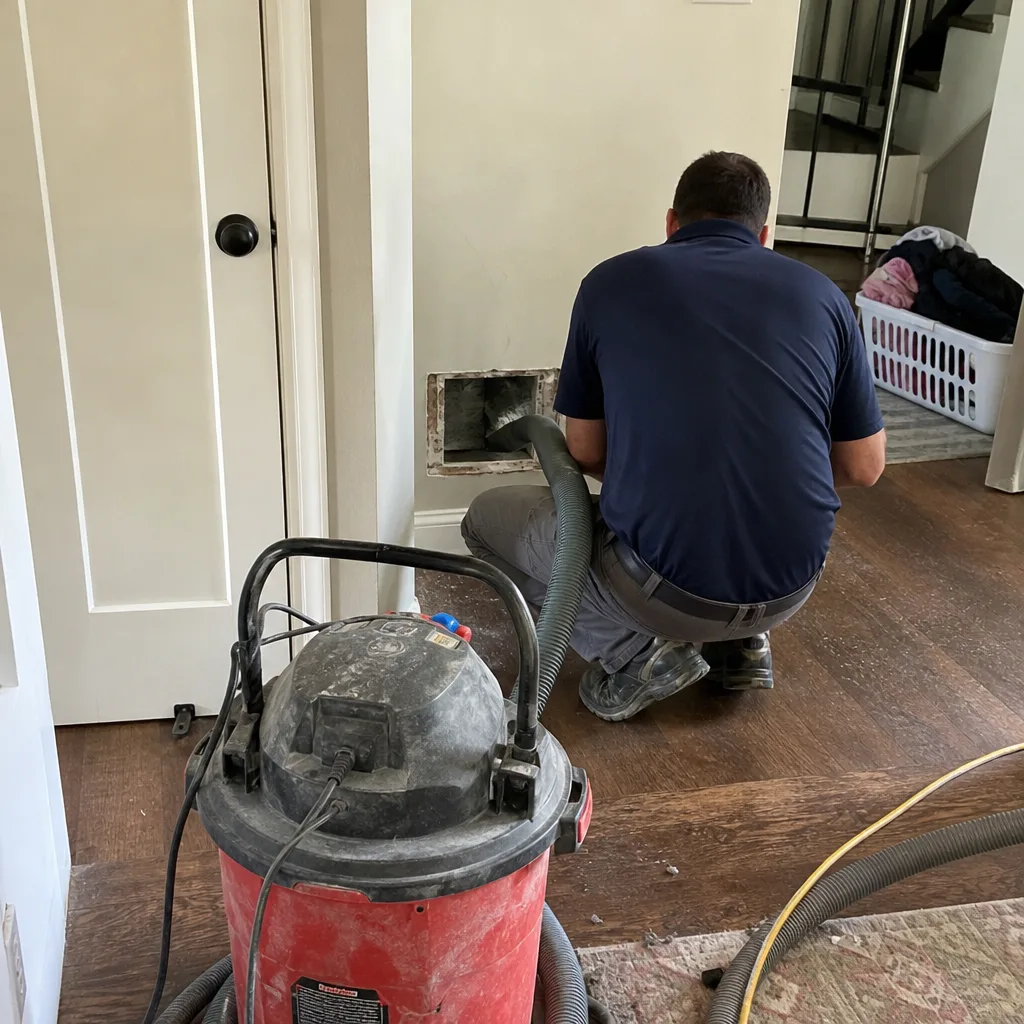 Before
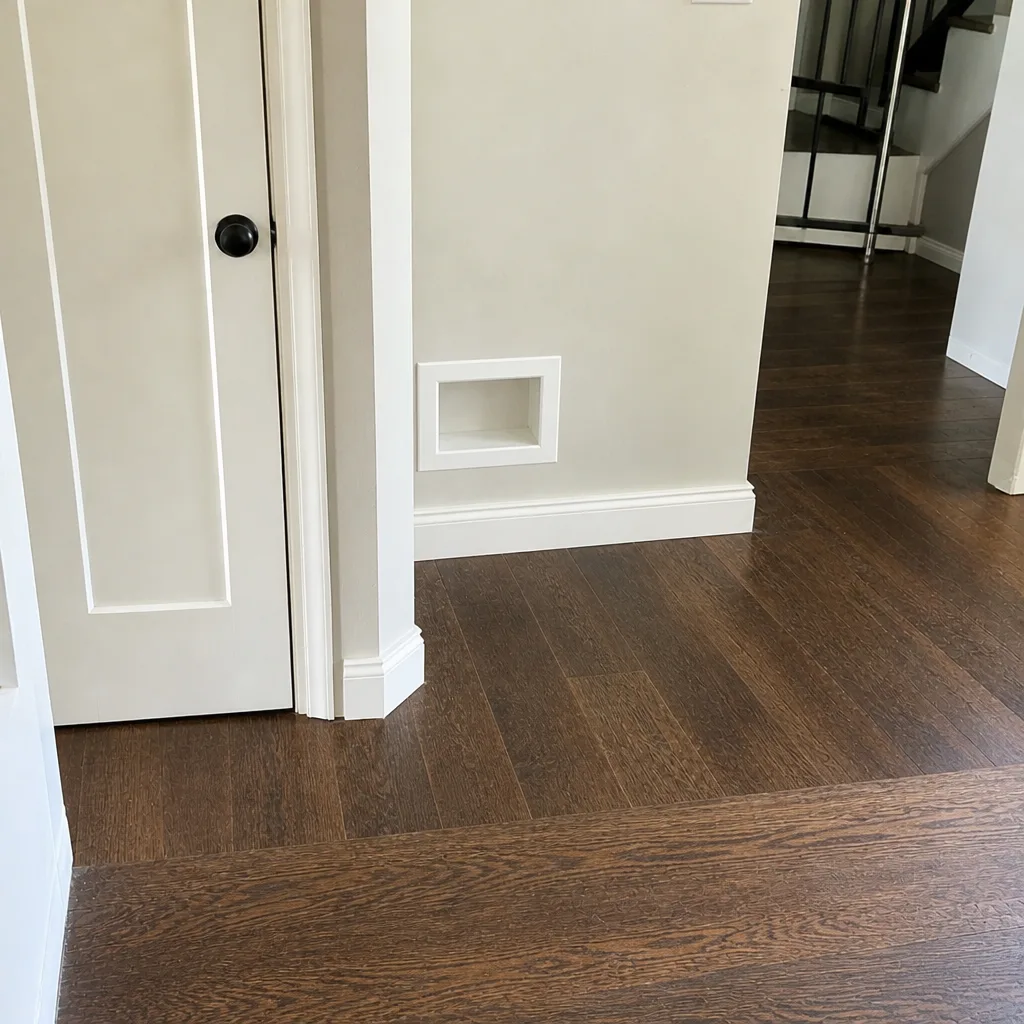 After
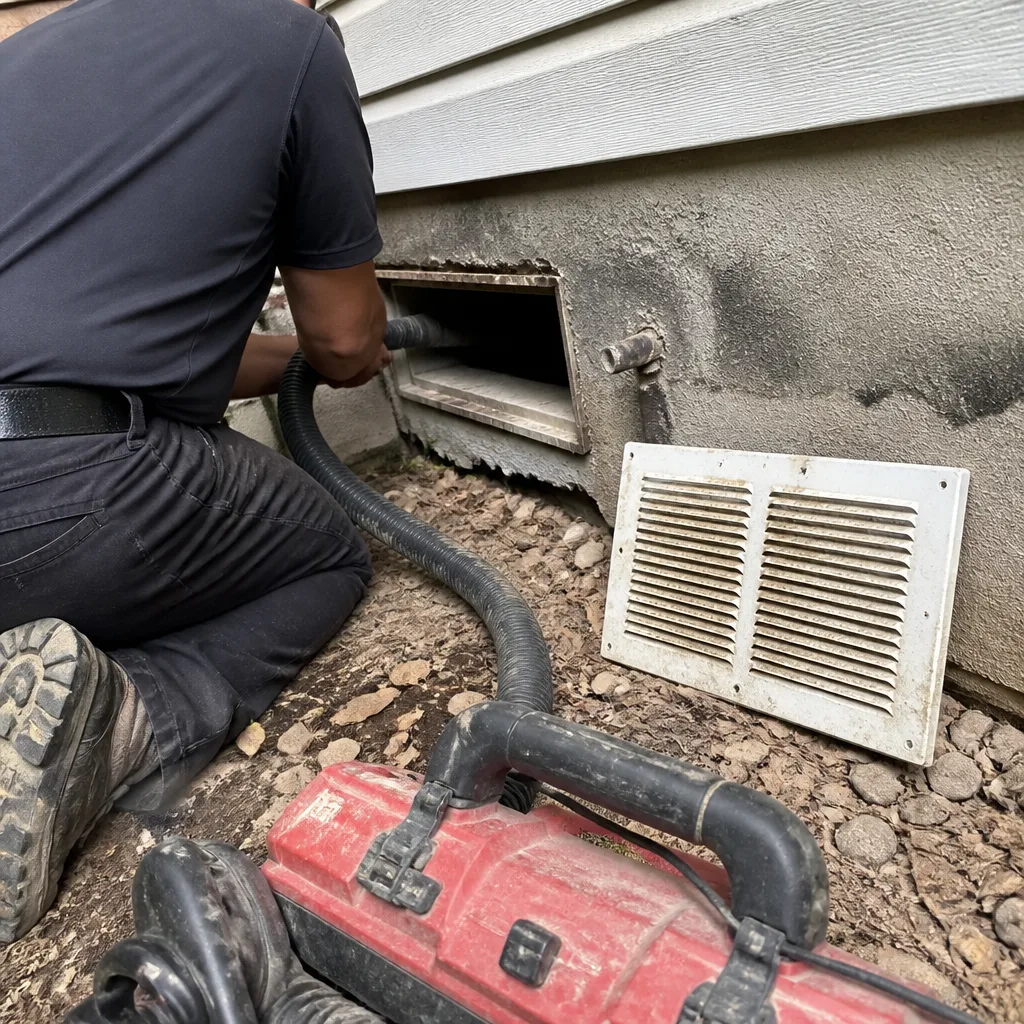 Before
 After
 Before
 After
When to Call a Professional
Some duct questions should go to the city building department. These should go to a specialist:
- Your cleaning uncovered damaged, disconnected, crushed, or crushed-and-taped-over ductwork.
- You’re seeing uneven airflow between rooms, or rooms that never get comfortable in the summer heat or the winter cold, in a Saratoga Springs home.
- You’re in a new home and want the system cleaned and inspected while the builder warranty is still active.
- Your home was built before roughly 1980 and you don’t know whether the duct wrap contains asbestos.
- You’re preparing to sell and need the permit history on any duct work reviewed or corrected before listing.
- Your dryer is taking multiple cycles and the vent hasn’t been cleaned recently.
Saratoga Springs Air Duct Cleaning Pros offers free estimates in Saratoga Springs. We can assess the system, document what we find, and walk you through which parts of the work need a permit and which don’t. Call (844) 542-4260 for a free estimate. We answer 24/7. Fast dispatch from 7am to 7pm, Sunday through Friday.
Frequently Asked Questions
No. Cleaning the inside of existing ductwork is treated as maintenance and does not require a permit in Saratoga Springs or elsewhere in Utah. A permit comes into play only when the work involves repair, modification, new duct runs, or new access openings. If you’re ever unsure which side of the line your job falls on, call the city’s building department and describe the work. It’s a quick call and it settles the question. Call (844) 542-4260 for a free estimate.
Often yes. Duct repairs that alter the system, add or relocate runs, cut new access panels, or replace significant portions of the ductwork generally require a mechanical permit under the International Residential Code’s mechanical chapters, which Utah County enforces. Minor repairs and routine sealing typically don’t. The most reliable way to know is to describe the work to the city’s building department and let them tell you. Call (844) 542-4260 for a free estimate.
Routine sealing with mastic or metal tape on accessible joints, seams, and register boots is maintenance and typically doesn’t need a permit. Sealing becomes part of a permitted job when it requires cutting into the system, removing and reinstalling duct sections, or when it’s part of a larger permitted alteration. Most contractors don’t spell out that distinction, which is why two quotes can look identical on the surface and lead to entirely different paperwork. Call (844) 542-4260 for a free estimate.
Clean while the warranty is still active, and document everything before cleaning. New construction systems routinely collect drywall dust, sawdust, and construction debris, and if the cleaning reveals a defect, that defect is far more easily resolved while the builder is still responsible for it. Photograph what’s found, keep the record, and notify the builder in writing if a defect turns up. Call (844) 542-4260 for a free estimate.
You don’t know until it’s been tested. Ductwork in homes built before roughly 1980 may be wrapped in insulation or taped with materials that contain asbestos, and no cleaning should proceed until the material has been sampled by an accredited lab. If it tests positive, the material has to be handled by a licensed abatement contractor before any cleaning or repair. Call (844) 542-4260 for a free estimate.
Yes, in several ways. A buyer’s home inspector can pull permit history and will flag duct modifications with no corresponding record. That becomes a negotiation point, a repair credit, or sometimes a financing issue. If you’re planning to sell and you’re not sure whether duct work in the home was permitted, check before listing. Retroactive permitting through the city is usually possible, though it may require opening walls for inspection. Call (844) 542-4260 for a free estimate.
The Bottom Line
Air duct cleaning itself doesn’t need a permit in Saratoga Springs. Repair and modification do, and the distinction matters because it’s the repair work that creates the paperwork trail you’ll need if you ever sell, file a warranty claim, or face a buyer’s inspector. Routine sealing is usually maintenance. Sealing that requires opening the system is usually not. Pre-1980 ductwork has to be tested for asbestos before any cleaning begins, and new construction systems should be cleaned and documented while the builder warranty is still active. Keep the records. The cost of the permit is smaller than the cost of the problem it prevents.
Our team uses Rotobrush and Nikro systems for the cleaning work, and we handle the repair and sealing side of the job too, so you’re not coordinating three contractors. If we find something during a cleaning that needs a permit, we’ll tell you plainly which part of the work is which. That’s what a process-driven specialist should do.
Get an honest estimate on your duct system. Call (844) 542-4260. We answer 24/7. Fast dispatch from 7am to 7pm, Sunday through Friday. Estimates are free and the written estimate sets the final price.
For a closer look at how the other services fit together, see our pages on dryer vent cleaning and HVAC cleaning.
Written by the team at Saratoga Springs Air Duct Cleaning Pros.