
Last updated November 23, 2026
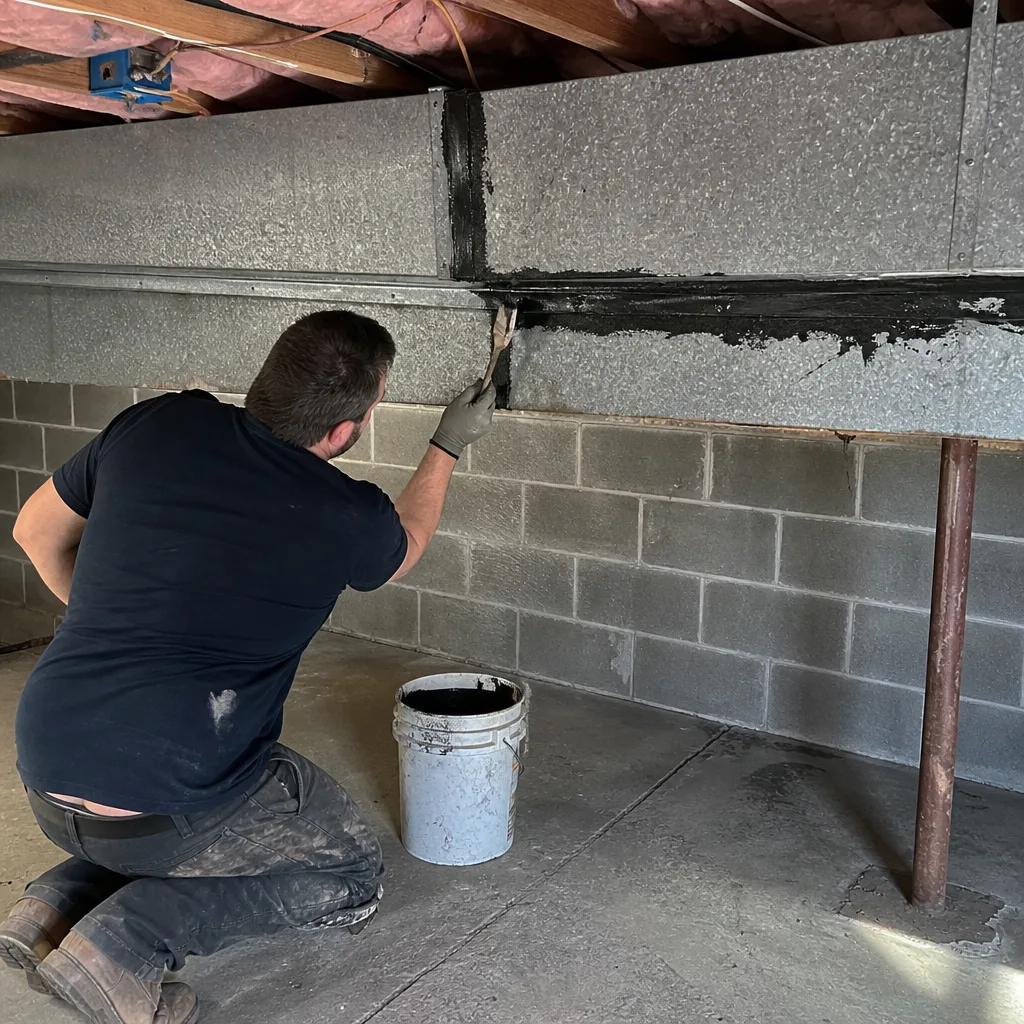
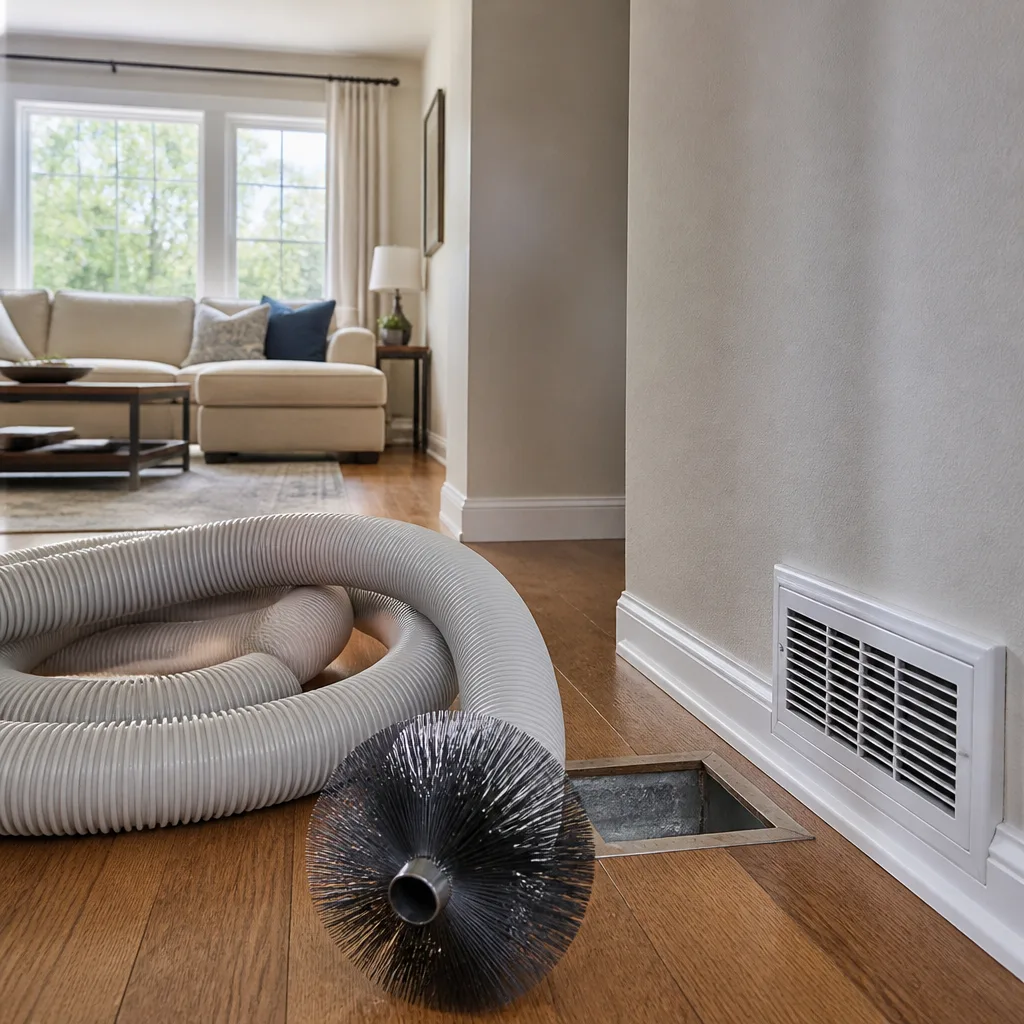 Whole-home duct cleaning
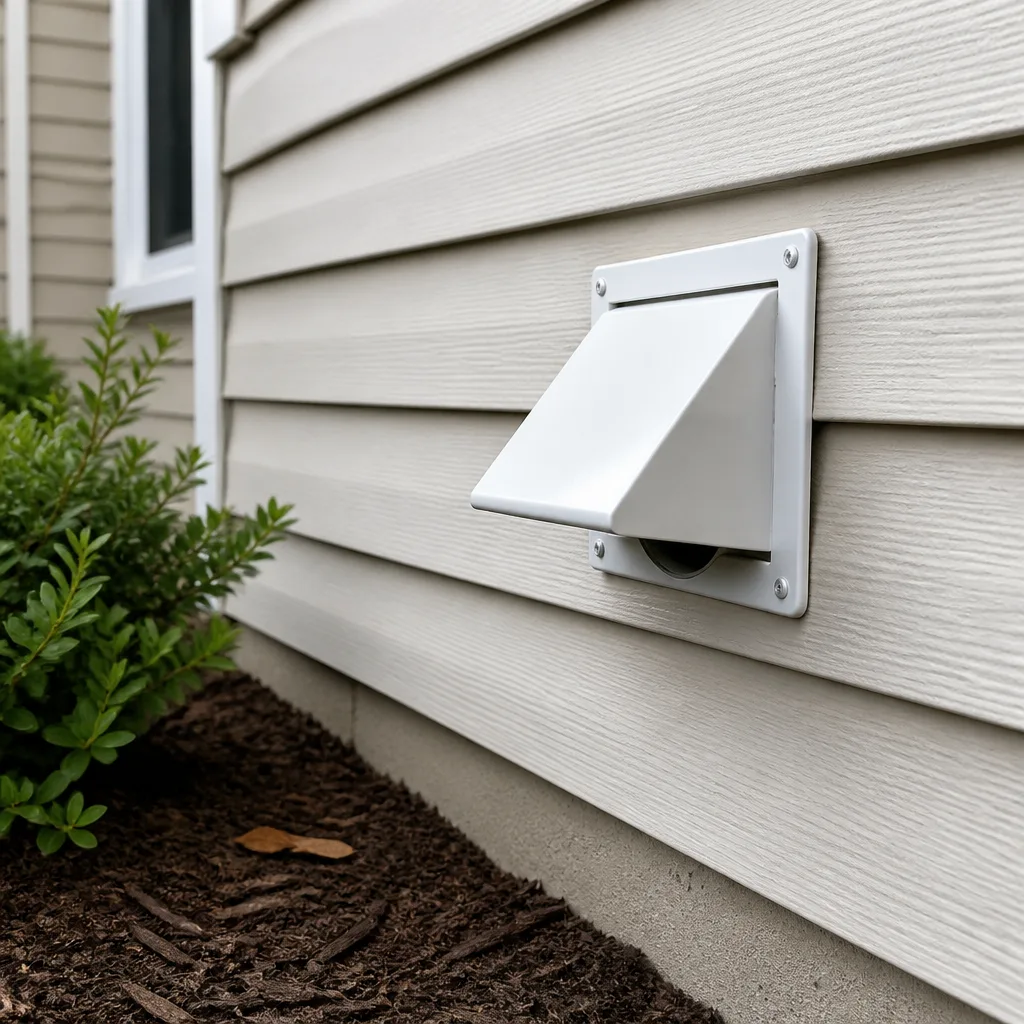 Dryer vent cleaning
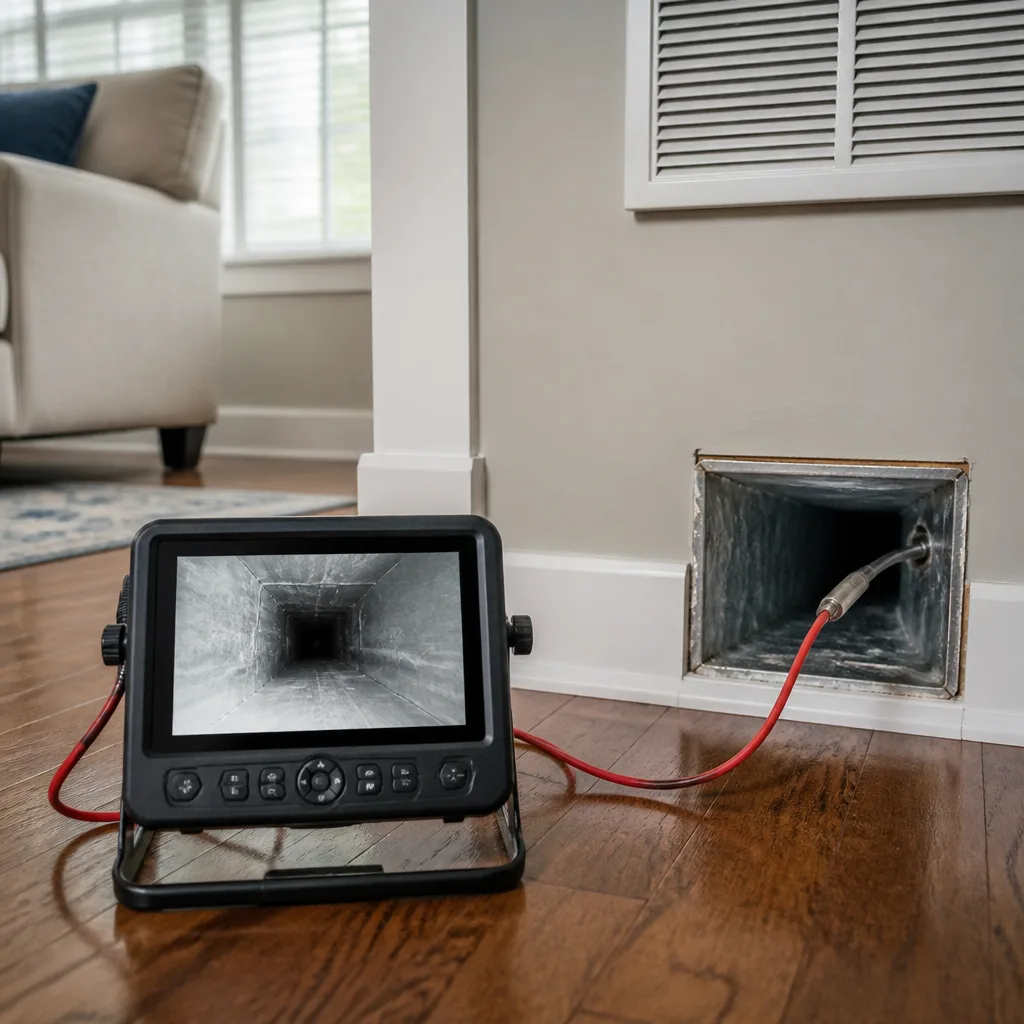 Camera inspection
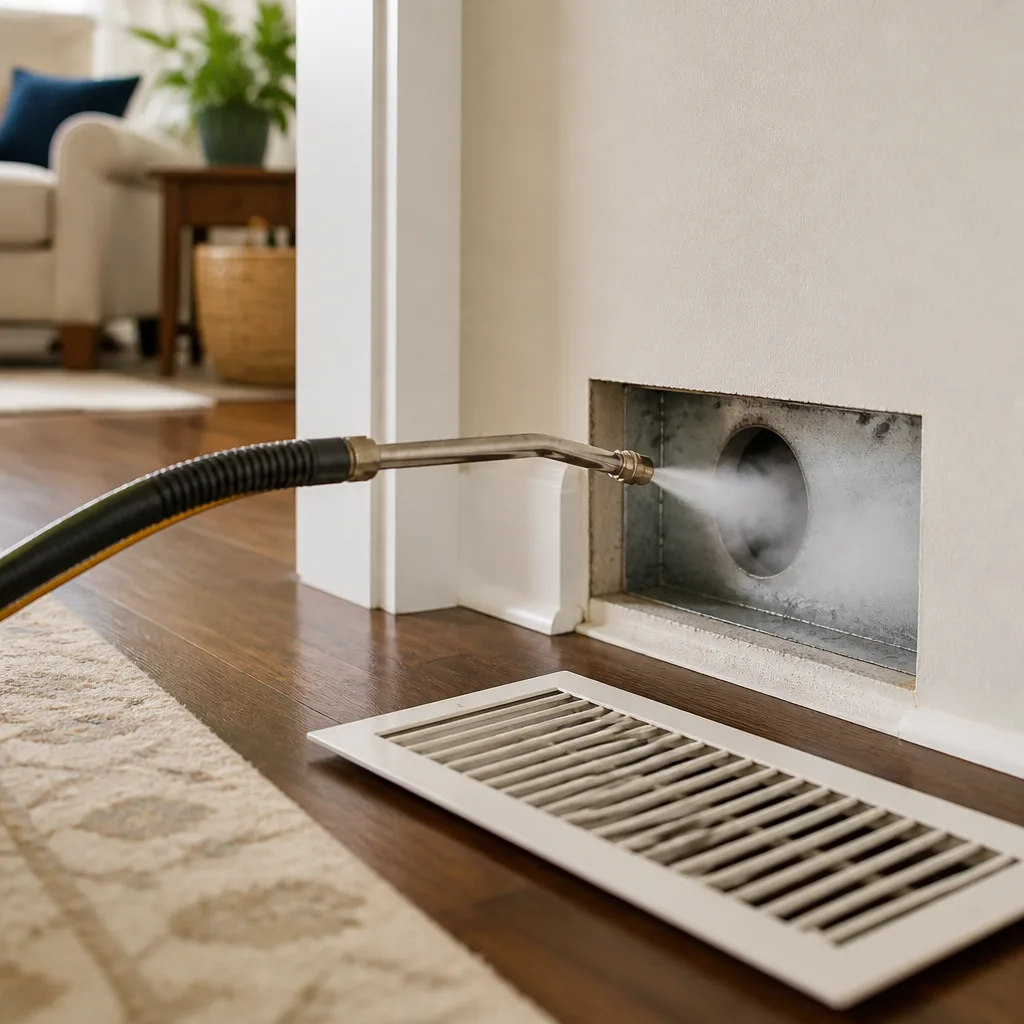 Sanitizing & deodorizing
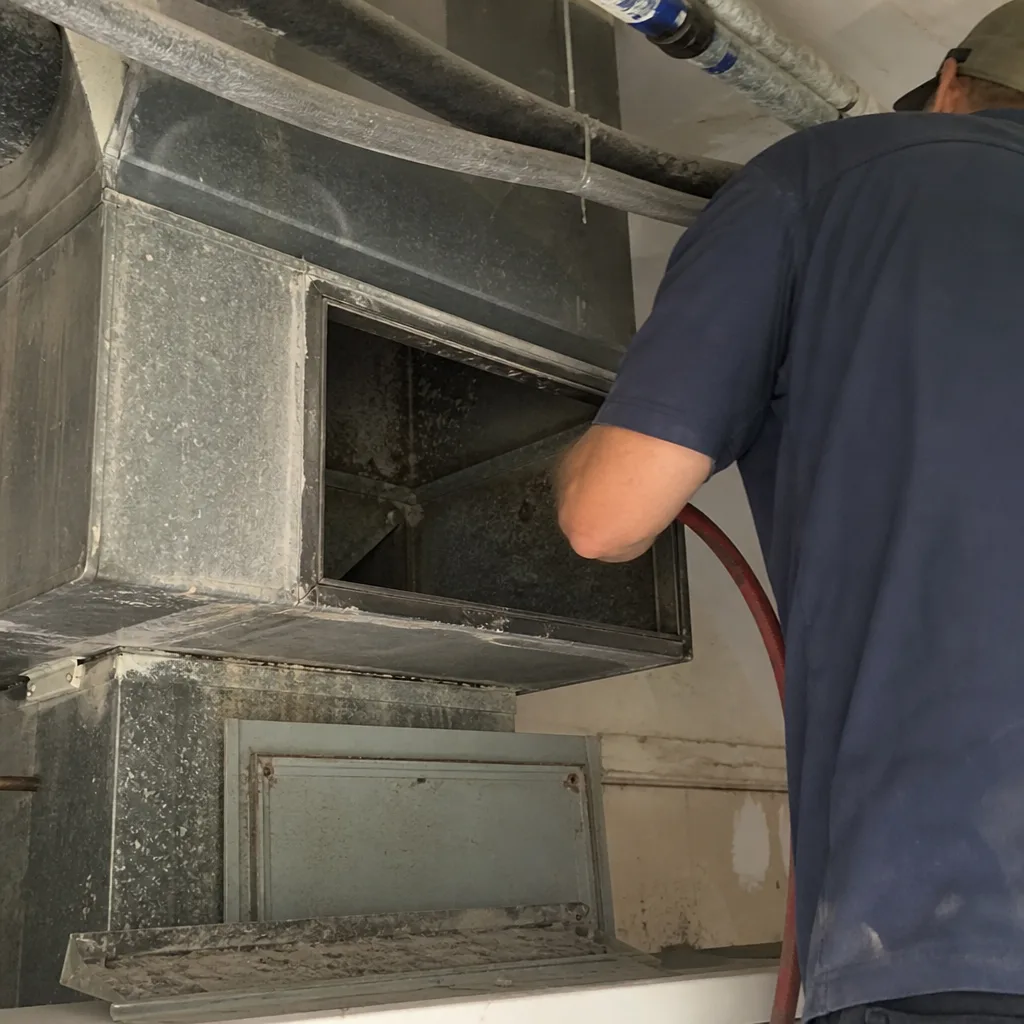
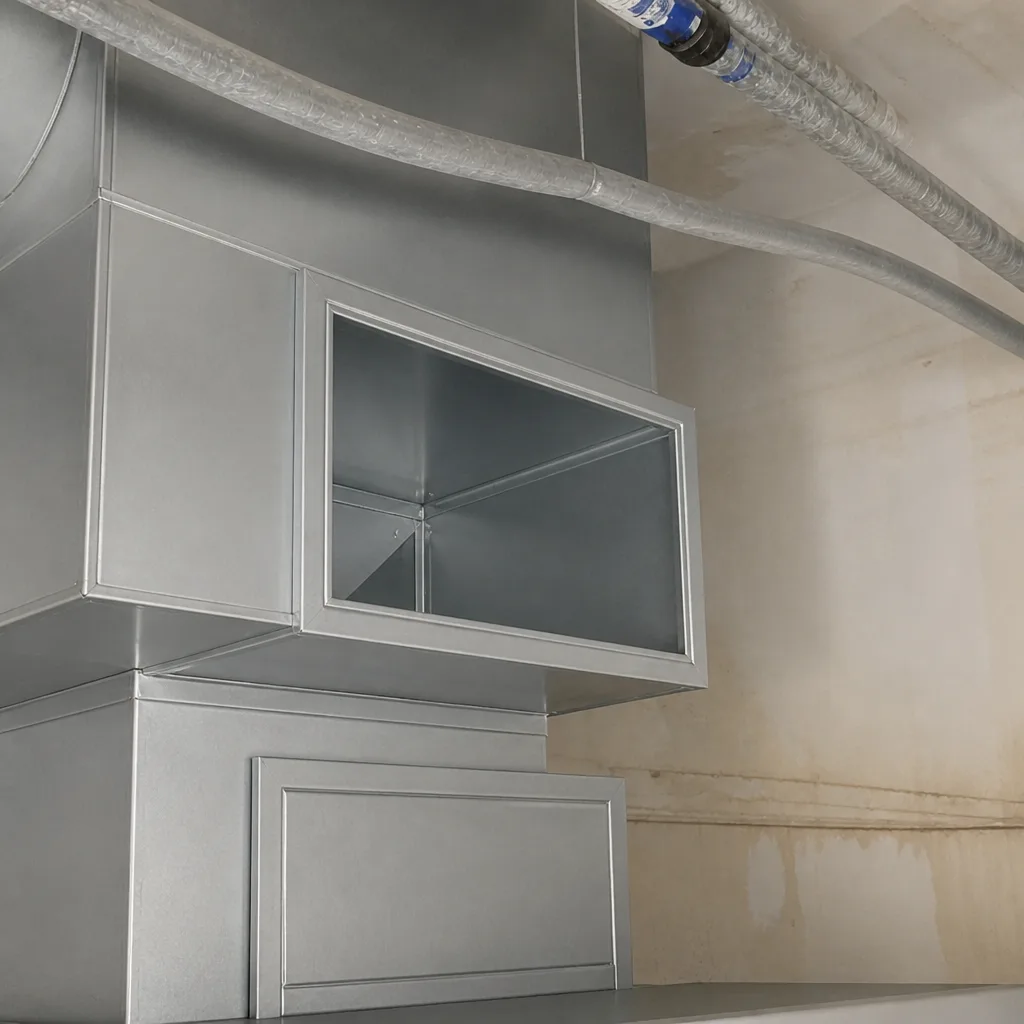
Whole-system duct and dryer vent check with before-and-after photos - you see exactly what came out of your vents
That "$99 whole-house special" is a bait ad - the real number appears once they are in your hallway, or the "clean" is a shop-vac at the register. We photograph the inside of your ducts before and after instead.
How to Hire an Air Duct Cleaning Contractor in Saratoga Springs: A Step-by-Step Guide
The $49 duct cleaning coupon that keeps showing up in your mailbox represents one of the most common home-service pitches in Utah – the bait and switch. The low price gets a technician through your door. What follows is pressure for a “biological treatment” applied with a hand sprayer, a vacuum that turns out to be a shop vac, and a final invoice that barely resembles the coupon. The pitch works because most homeowners have no way to tell a professional operation from an amateur one before the crew arrives. This guide gives you the technical questions and the line-by-line reading of a quote that separate the two, so you can hire a duct cleaning contractor in Saratoga Springs on your terms and not theirs.
Quick Answer
A professional duct cleaning contractor in Saratoga Springs should show up with a truck-mounted or high-CFM portable vacuum, use agitation brushes and a contact vacuum on every register, quote a flat price for the whole system rather than a per-vent number, and photograph the system before and after. Verify equipment and scope of work before you book, not after the crew is in your hallway.
Styles & brands we work with
- Whole-home duct cleaning
- Dryer vent cleaning
- Camera inspection
- Sanitizing & deodorizing
Table of Contents
- Why Hiring a Duct Cleaner in Saratoga Springs Is Harder Than It Should Be
- The Equipment Questions to Ask Before You Book
- How to Read a Duct Cleaning Quote Line by Line
- What NADCA Membership Actually Verifies
- Red Flags During the Job
- What to Do If the Job Was Done Wrong
- Why Repair and Sealing Matter More Than Cleaning Alone
- What You Can Check Yourself vs. What Needs a Professional
Why Hiring a Duct Cleaner in Saratoga Springs Is Harder Than It Should Be
Saratoga Springs sits in a fast-growing stretch of Utah County, and the housing stock reflects it. There are newer builds along the foothills and subdivisions that went up quickly during the last wave of growth. Many of these homes are only a few years old and already have duct systems that were installed fast and sealed poorly. Add the regional dust, the pollen that arrives hard in spring, and the sealed construction that keeps a house tight, and you get homeowners who genuinely need a duct system looked at – and a market that knows it.
That demand is exactly why so many operators run coupon ads here. A coupon is not inherently dishonest. It becomes a bait-and-switch when the advertised price only covers a token pass with a portable shop vac, and the real cleaning requires an upgrade pitched in your living room. We’ve watched this cycle play out across the valley for years, and the pattern is consistent: the operators who lead with price rarely lead with equipment.
The fix is not to reject every quote under a certain number. It’s to change what you evaluate. A duct cleaning company in Saratoga Springs should be judged on three things before you ever book: the vacuum it brings, the scope of work it puts in writing, and the process it follows on site. Get those three right and the price question answers itself. Get them wrong and no coupon is low enough to make up for a system left as dirty as it started.
If you want a baseline for what a full-system job involves, our air duct cleaning page outlines the process from the supply trunk to the return plenum.
The Equipment Questions to Ask Before You Book
Equipment is the single fastest way to tell a professional duct cleaner from an amateur, and it takes about two minutes on the phone. A real operation will answer these without hesitation. A fly-by-night operator will deflect, change the subject, or promise to “take a look when we get there.” Ask the following before you confirm an appointment:
- Truck-mounted or portable vacuum? Truck-mounted units generate far more suction than a portable machine and are standard on serious jobs. A portable is acceptable only if it’s a high-quality HEPA unit built for duct work, not a shop vac with a long hose taped to it.
- What CFM does it move? CFM is cubic feet per minute – the airflow the vacuum can sustain under load. A machine with genuinely high CFM can maintain negative pressure on the whole system, which is what keeps dislodged dust from drifting back into your living space. If they can’t quote a figure, that tells you something.
- Do you use agitation brushes and a contact vacuum? Suction alone misses the dust that’s clinging to the duct walls. Agitation brushes loosen it, and a contact vacuum is applied directly to each register and grille. This is the difference between skimming the surface and actually cleaning the system.
- Are you using a branded professional system? Legitimate specialists name their equipment. Rotobrush and Nikro systems are built specifically for duct work and are what you want to hear, not “a powerful vacuum.”
- How do you protect the house during the job? A good crew seals registers and creates negative air pressure before opening anything. Ask how they do it.
The pattern in those answers matters more than any single one. A contractor using professional-grade equipment answers all five comfortably. One running a hand sprayer and a shop vac stumbles on the second question.
How to Read a Duct Cleaning Quote Line by Line
A quote from a legitimate duct cleaning contractor in Saratoga Springs should read as a scope of work, not a price list of temptations. The most important line to look for is one flat price for the whole system, agreed before any work starts. Per-vent pricing hides the real cost – it grows with every vent and tempts a crew to inflate the count. Flat-rate pricing means the number you were quoted is the number you pay. Here’s how to read what lands in front of you:
- Flat rate for the full system: One price covering the supply and return ducts, all registers, the plenum, and the air handler area. Ask specifically what’s included so nothing gets treated as an upgrade mid-job.
- Number of vents or zones: It’s fine for a quote to note the system size. It’s not fine for the total to creep upward during the visit because the crew finds “more vents than expected.”
- Legitimate add-ons: Dryer vent cleaning, duct repair and sealing, and sanitizing are real services with real scope. They should be presented as separate line items you can accept or decline before the crew starts, never as a pressure pitch on site.
- The upsell red flags: Vague “biological treatments” applied by hand sprayer, “mold remediation” packages without inspection evidence, and anything that gets added to the invoice after the crew is already in your house.
- Before-and-after photos: A professional operation photographs your system at the start and the end, of your own ducts, not a template from a brochure. Request them in the quote as part of the job.
Read the quote against those lines and ask yourself one question: could the final invoice differ from the number I’m looking at right now? If the answer is yes, the quote isn’t a quote.
What NADCA Membership Actually Verifies
The National Air Duct Cleaners Association, usually known as NADCA, is the standard-setting body for this trade. Membership is worth understanding because it’s a real signal – just not a complete one. Here’s what it does verify and what it doesn’t:
- What it verifies: NADCA membership indicates a company has committed to the association’s assessment, cleaning, and restoration standards, and that technicians have access to the training those standards require. It’s a genuine marker that the contractor recognizes there’s a right way to clean a duct system.
- What it doesn’t verify: Membership does not confirm the quality of a specific contractor’s equipment, it doesn’t guarantee how long their technicians have been doing the work, and it doesn’t tell you anything about their local reputation in Saratoga Springs. A company can be a member and still be a poor communicator, or still run consumer-grade equipment on some jobs.
- How to use it: Treat NADCA alignment as one data point alongside the equipment questions and the quote structure. It confirms the company knows the standard exists. The other checks confirm whether they actually follow it.
NADCA-aligned contractors typically specify professional equipment like Rotobrush or Nikro systems. When a company both follows the standard and names its equipment, you’re looking at an operation that takes the work seriously. That’s the combination to look for.
Red Flags During the Job
Most homeowners assume the hard part is choosing a contractor. The job itself is where problems surface, and it’s worth watching what the crew does in your house. You don’t need to hover, but you should know what “done properly” looks like. The following signs tell you quickly whether the crew is treating your system seriously:
- Registers not sealed off: A professional crew seals every register and grille before opening anything, creating negative pressure that traps dislodged dust in the vacuum rather than letting it settle into your living room. If the crew starts working with open registers and dust clouds, that’s a serious red flag.
- No agitation tools visible: If you see only a hose going into a vent and no brushes or contact vacuum, the cleaning is surface-level at best. The duct walls stay coated.
- No before-and-after photos: Ask the crew to photograph the system before and after. A quality operation does this automatically. A crew that resists the request is telling you something about what they expect the photos to show.
- Pressure to upgrade mid-job: If a crew member “discovers” a problem mid-job and pushes a treatment on the spot, the quote has been abandoned. A legitimate contractor handles concerns in the estimate, not in your hallway.
- The vacuum runs but nothing moves: A quiet machine with a light hose often means a weak portable unit that isn’t generating real suction. Ask what CFM they’re pulling under load.
- Dust in the house: Some dust is unavoidable, but a genuinely sealed setup leaves minimal residue. A dust cloud is a sign the negative pressure wasn’t established.
A clean, organized crew at the start is the best predictor of a clean finished system. Watch the first ten minutes and you’ll know most of what you need to know.
What to Do If the Job Was Done Wrong
It happens, and it’s worth knowing how to respond before you need to. The first step is documentation, and it should start the same day. Take photos of your registers and duct openings, save the original quote and invoice, and note the date of service. If you can see visible dust on the grilles or a film on the vent faces, photograph it before you touch anything.
Then contact the contractor in writing within a few days. State plainly what was promised in the quote and what wasn’t delivered – missed vents, no before-and-after photos, undisturbed debris, damaged register frames. Keep the tone factual. A legitimate contractor should respond quickly, offer to return and correct the problem, or refund the portion of the work that wasn’t completed. That’s how a professional operation handles a complaint, and how the contractor responds is a fair signal of their standard.
If the contractor won’t engage, your written record becomes your leverage. You can escalate through a credit card dispute if you paid by card, or a complaint to the Utah Division of Consumer Protection for a business failing to deliver the quoted scope. Some jobs that went wrong were done by a contractor who never did the work at all, so documenting every step matters more than the dollar amount. A clear paper trail is what separates a fixable problem from a costly one. If your job was done badly by a previous contractor and needs to be redone correctly, our HVAC cleaning service can assess and correct the system.
Why Repair and Sealing Matter More Than Cleaning Alone
Here’s the part of the conversation most duct cleaners skip: cleaning a duct system that leaks is a short-term fix. Air escapes through gaps in the joints, fittings, and boots before it ever reaches your registers, which means you pay to heat or cool your attic, crawlspace, or wall cavity. It also means the pressure differentials pull dust and allergens back into the ductwork shortly after a clean. Cleaning addresses the debris. Repair and sealing address the reason it accumulates.
A contractor serious about duct work offers repair and sealing as part of the same visit. This is the service most companies skip entirely because it requires more skill than running a vacuum through the pipes. When you’re vetting a duct cleaning contractor in Saratoga Springs, ask directly: “Can you repair and seal duct leaks, or do you only clean?” A company that offers both is offering a complete solution. A company that only cleans is selling you a recurring problem.
Sealing also improves HVAC efficiency. A sealed system moves conditioned air where it should go, reducing the load on your furnace and air conditioner and lowering energy costs. Combined with a proper cleaning, it’s the difference between a home that’s clean today and one that stays that way. If your ducts have visible gaps or are loose at the boots, ask about Saratoga Springs Air Duct Cleaning Pros as a repair option, and confirm whether sealing is included in the scope of work before you book.
What You Can Check Yourself vs. What Needs a Professional
There’s a handful of things a homeowner can check without tools beyond a flashlight and a screwdriver. There’s a much larger set of things that genuinely need a professional, and confusing the two is how people either waste money or get hurt. Here’s the split:
- You can check: Remove a floor register and shine a light into the duct. Visible debris, dust buildup on the duct walls, or a musty smell suggests it’s cleaning time. Check your dryer vent exterior flap to see if it moves freely when the dryer runs.
- You can check: Look for visible gaps where ducts meet the register boots or where sections join. If you can see light through a seam, that’s a leak worth sealing.
- Don’t check yourself: Do not open the plenum, the air handler, or the return trunk. Those are connected to the HVAC system and opening them without sealing and negative pressure can circulate dust and compromise the equipment. Confirm the furnace and air conditioner are off before any deeper check.
If you see heavy buildup, smell mold, or notice the system cycling more than it should, that’s when a professional assessment is worth the call. A pro can get pressure readings and check the air handler – you shouldn’t.
Common Mistakes to Avoid
- Booking based on a coupon alone: A coupon gets you a low headline price and a technician at your door. It does not tell you what vacuum will be used. Always ask the equipment questions before confirming a service.
- Accepting a per-vent quote: Per-vent pricing invites the count to grow. Insist on a flat price for the whole system, in writing, agreed before the crew arrives. This is the single biggest protection you have against a bait-and-switch.
- Assuming NADCA membership means quality: It signals alignment with training standards, but doesn’t guarantee the equipment on the truck or the communication on the job. Use it as one check, not the only one.
- Letting the crew skip before-and-after photos: Photos are your proof of work. Ask for them upfront. A crew that won’t photograph the ducts is telling you the results won’t be photogenic.
- Not asking about repair and sealing: Cleaning a leaky system is a short-term fix. Ask whether repair and sealing are offered, and include them in the scope if your system has visible leaks.
- Skipping the “what’s included” question: Ask specifically what the final price covers – supply and return ducts, all registers, plenum, and air handler area. Ambiguity is where upgrades get invented.
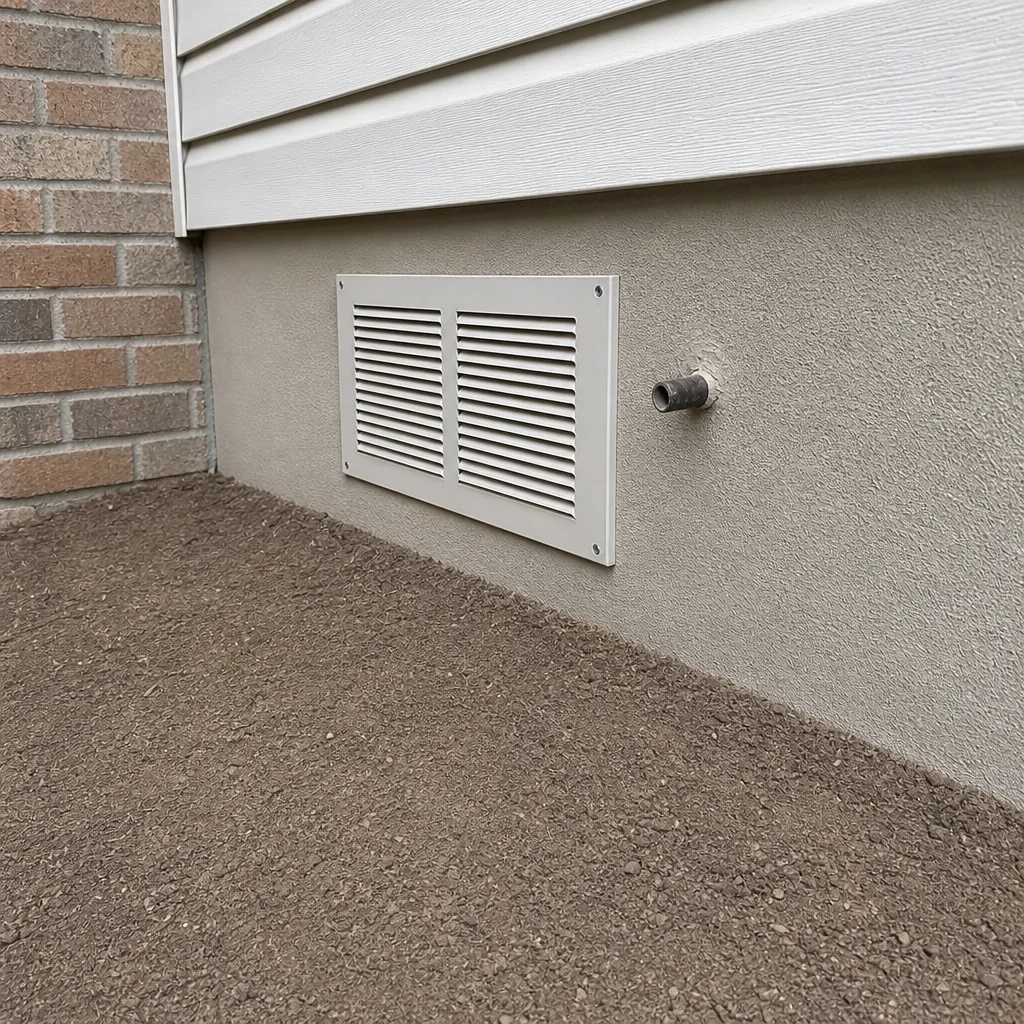
- Ignoring the dryer vent: Dryer vent cleaning is often overlooked by duct-only companies and is a leading cause of residential fires. Ask whether it’s part of the service, or whether you need to schedule it separately. Our dryer vent cleaning service covers it in the same visit.
See the difference
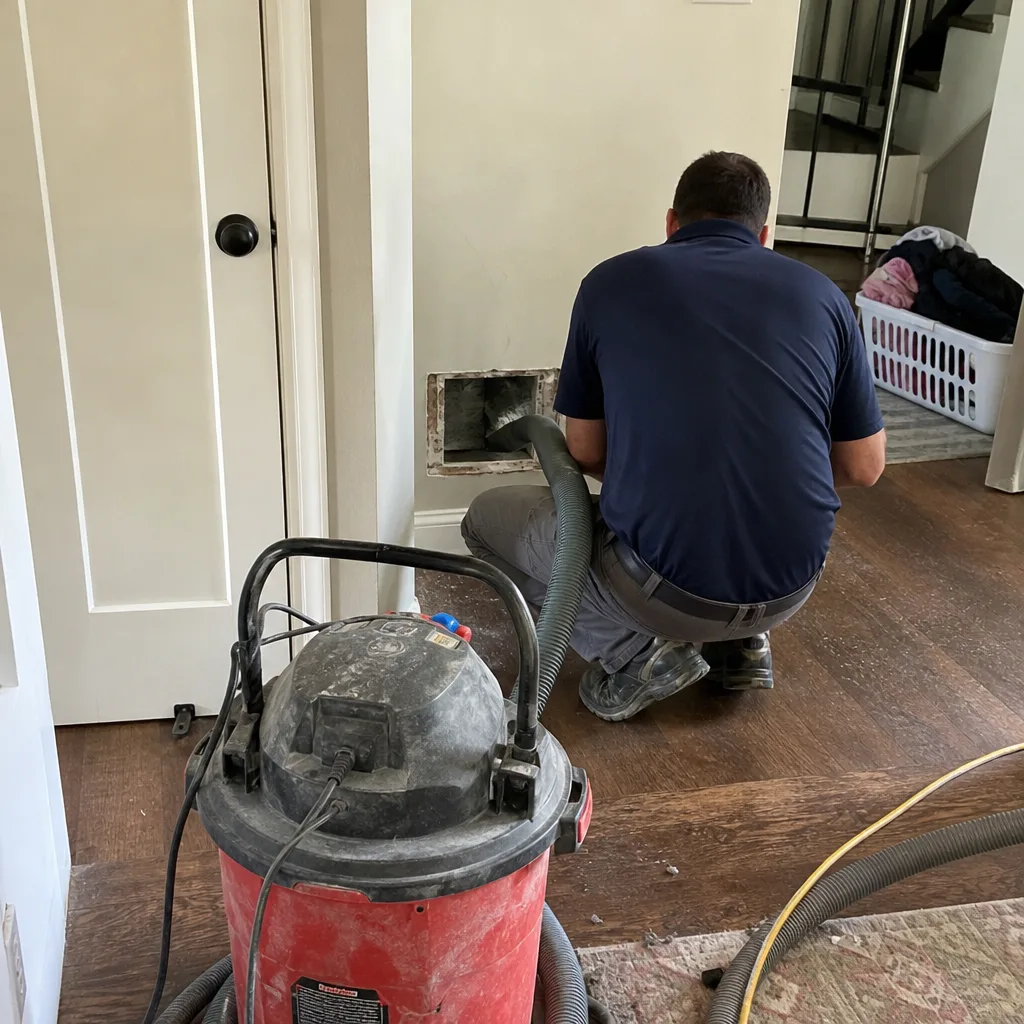 Before
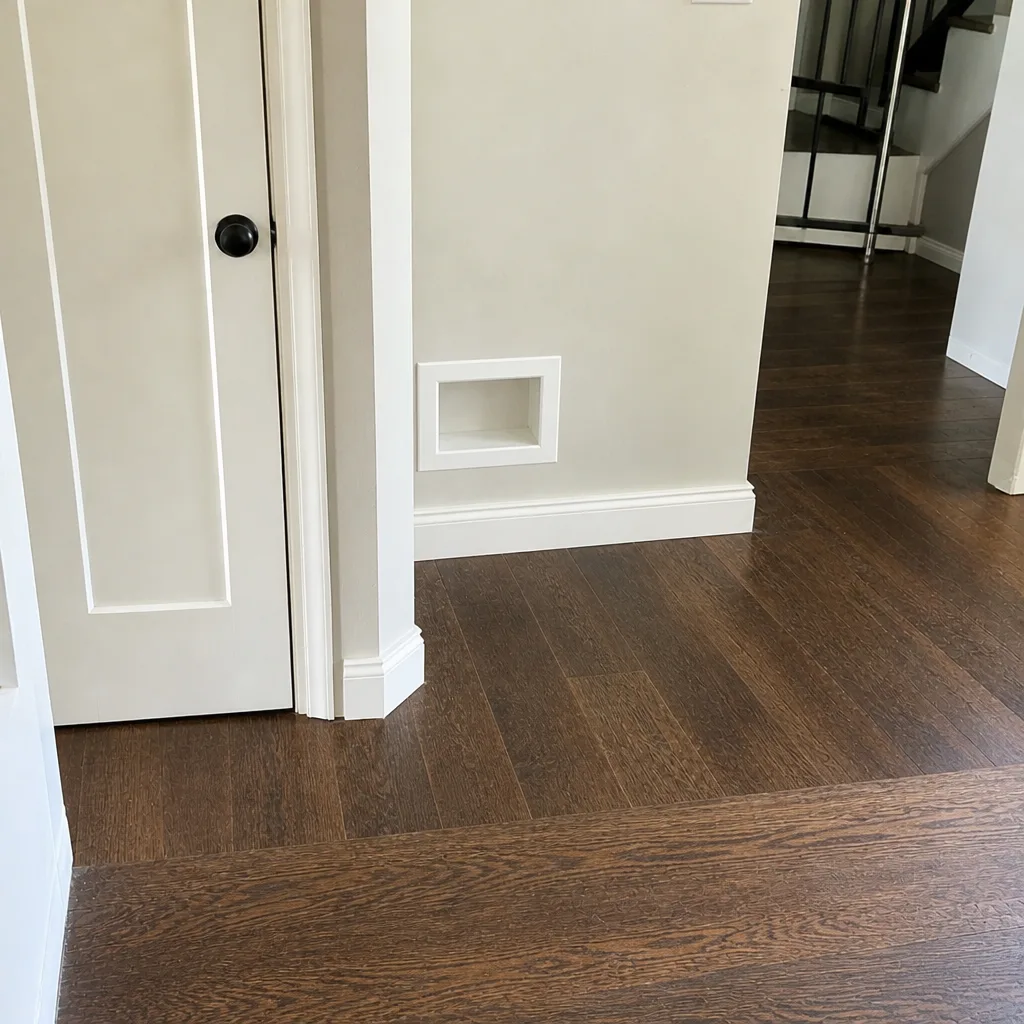 After
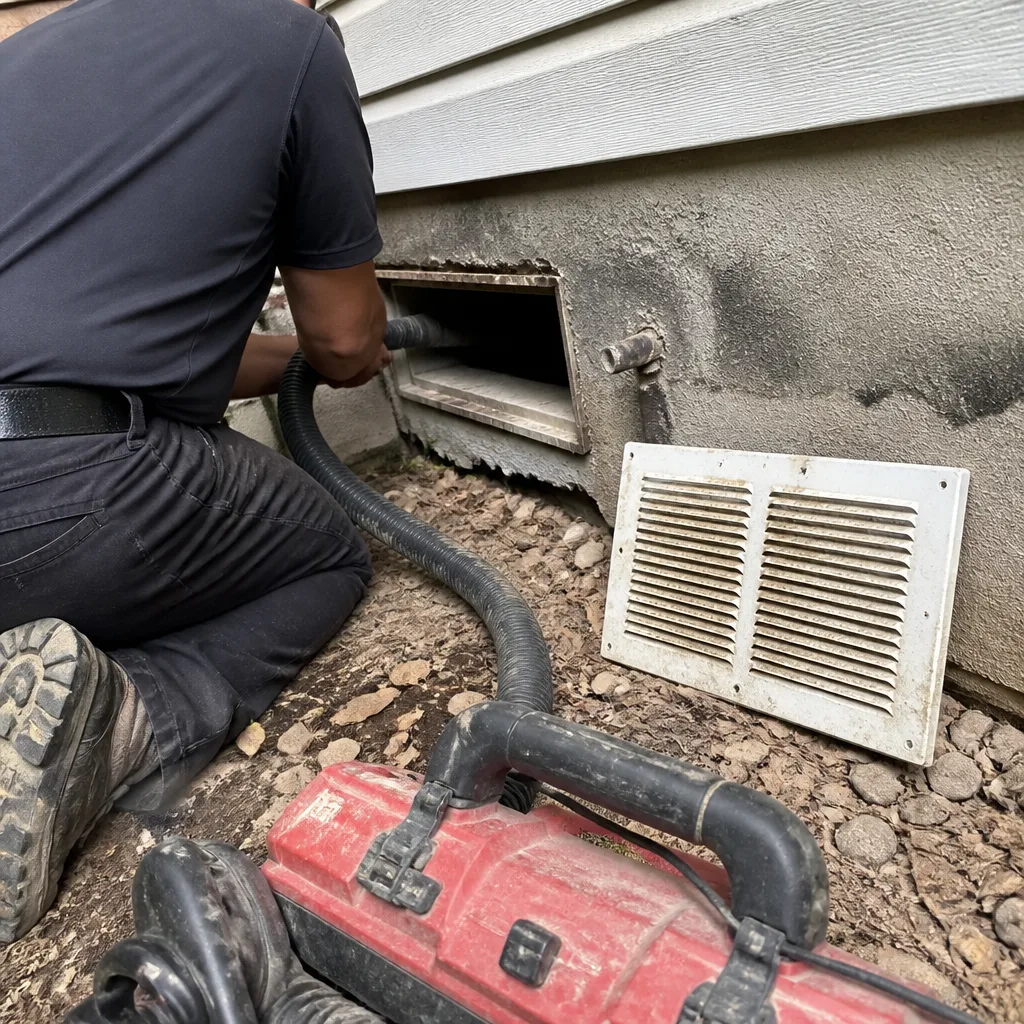 Before
 After
 Before
 After
When to Call a Professional
Some signs are clear-cut. You call a professional when dust settles on surfaces you just cleaned, when a family member’s allergies worsen indoors, when you’ve recently finished a renovation that sent drywall dust through the system, or when a new home purchase leaves you unsure of the previous owner’s maintenance. You also call when a dryer vent is slow to exhaust, the exterior flap barely moves, or you smell something musty in the laundry area. Those are all conditions where a professional assessment is worth the call. Saratoga Springs Air Duct Cleaning Pros offers free estimates in Saratoga Springs – call (844) 542-4260. We answer 24/7. Fast dispatch from 7am to 7pm, Sunday through Friday. Our technicians have up to 8 years of experience, and the local pro is licensed and insured as their state requires.
Frequently Asked Questions
Air duct cleaning for a typical Saratoga Springs home usually falls in the $250 to $500 range for a full system, depending on the size of the home and how many registers and zones are involved. More comprehensive work that includes sealing, HVAC coil cleaning, or sanitizing adds to that figure. Any quote below the cost of a professional job with proper equipment is a red flag – the price is set per job by a written estimate, not by the coupon. Call (844) 542-4260 for an exact quote – estimates are free.
Cheap quotes are cheaper because they use less equipment and do less work. A low price often means a portable shop vac, a hose down a vent, and no agitation brushes or contact vacuum – cleaning the surface without reaching the duct walls or addressing leaks. The operator makes up the difference with upgrades pitched on site. A flat-rate quote from a professional uses branded equipment like Rotobrush or Nikro and covers the full system in the agreed price. Call (844) 542-4260 to compare any quote line by line – estimates are free.
You know the work was done when the contractor provides before-and-after photos of your own ducts and you’ve seen registers sealed and negative pressure established during the job. Ask for the photos as part of the quote. A professional operation photographs the system without being asked; a crew that won’t is a crew you shouldn’t rebook. Call (844) 542-4260 for a free estimate with photo documentation included.
Most homes benefit from a professional cleaning every three to five years, but the honest answer depends on your home. New construction, recent renovations, pets, allergies, or a dusty local climate all shorten the interval. A system with visible debris at the registers or a musty smell needs attention sooner than the calendar suggests. Ask a professional to assess your system rather than going by a fixed schedule. Call (844) 542-4260 for a free assessment – estimates are free.
No. NADCA membership indicates a company has aligned with the industry’s cleaning standards and training requirements, which is meaningful, but it doesn’t guarantee the equipment on the truck or the quality of communication on the job. Use it alongside the equipment questions and the quote structure. A company that both aligns with NADCA and names its professional equipment is the strongest combination. Call (844) 542-4260 to ask about our equipment and process directly.
Document it the same day with photos of the registers, duct openings, and the original quote and invoice. Then contact the contractor in writing and request a return visit or a refund for incomplete work. A legitimate contractor responds and corrects the problem. If they won’t, escalate through your credit card issuer or the Utah Division of Consumer Protection. If the job needs to be redone, call (844) 542-4260 for a free estimate on a proper cleaning.
The Bottom Line
Hiring a duct cleaning contractor in Saratoga Springs comes down to three checks: the equipment they bring, the flat-rate quote they put in writing, and the process they follow on site. Ask the equipment questions before you book, read the quote line by line for a flat full-system price, and treat NADCA membership as one signal rather than a guarantee. Repair and sealing matter as much as cleaning, and before-and-after photos are your proof. That’s the vetting process. Our technician team has up to 8 years of experience with Rotobrush and Nikro systems, and we cover duct cleaning, dryer vent cleaning, HVAC cleaning, repair, and sanitizing in a single visit. Call (844) 542-4260 for a free estimate. We answer 24/7. Fast dispatch from 7am to 7pm, Sunday through Friday.
Written by the team at Saratoga Springs Air Duct Cleaning Pros.