
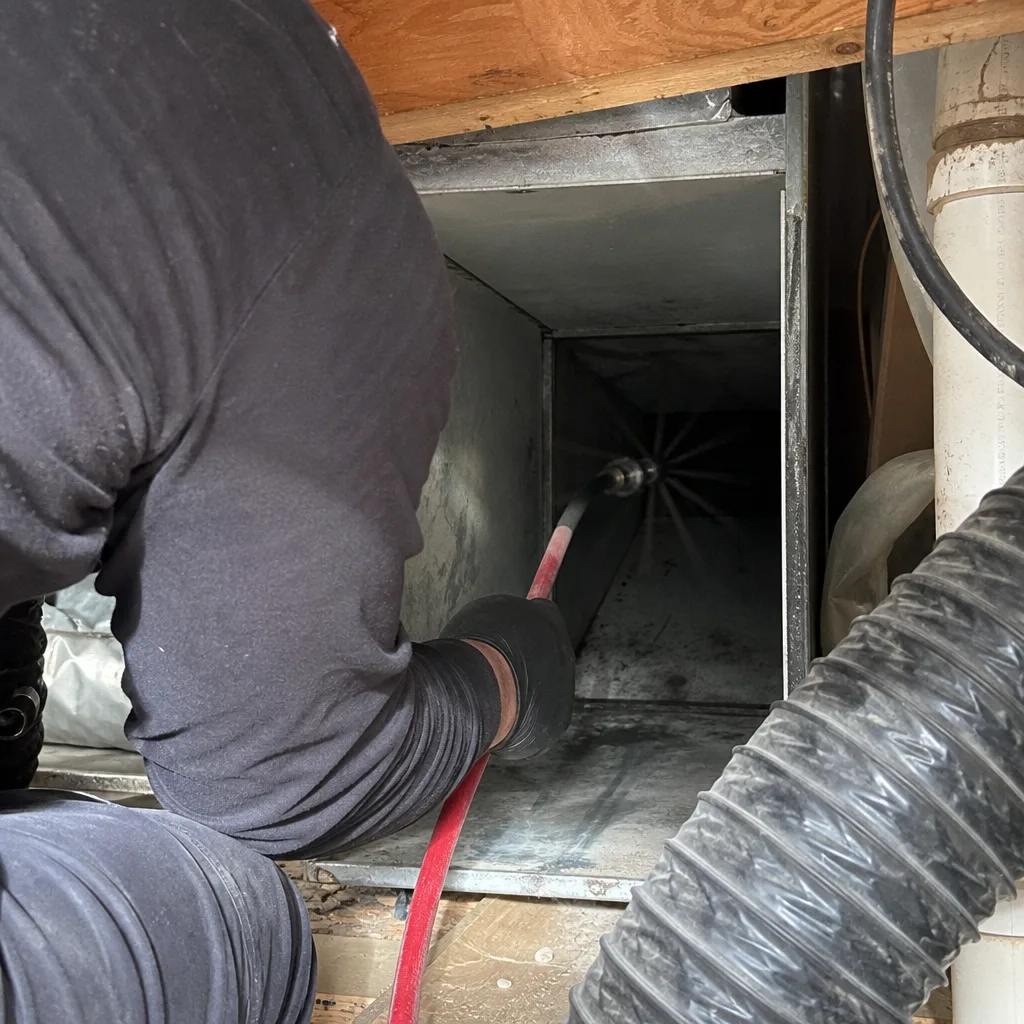
Last updated November 23, 2026
 Whole-home duct cleaning
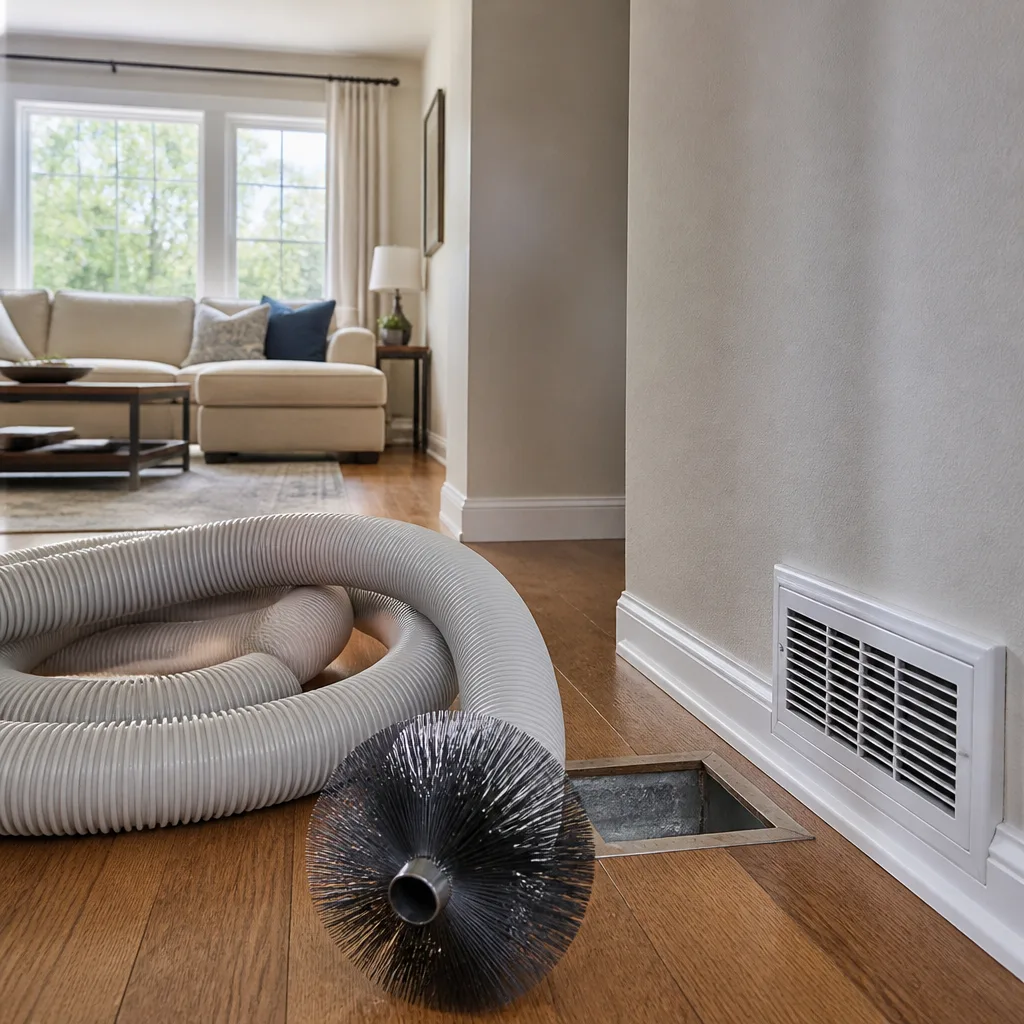
 Dryer vent cleaning
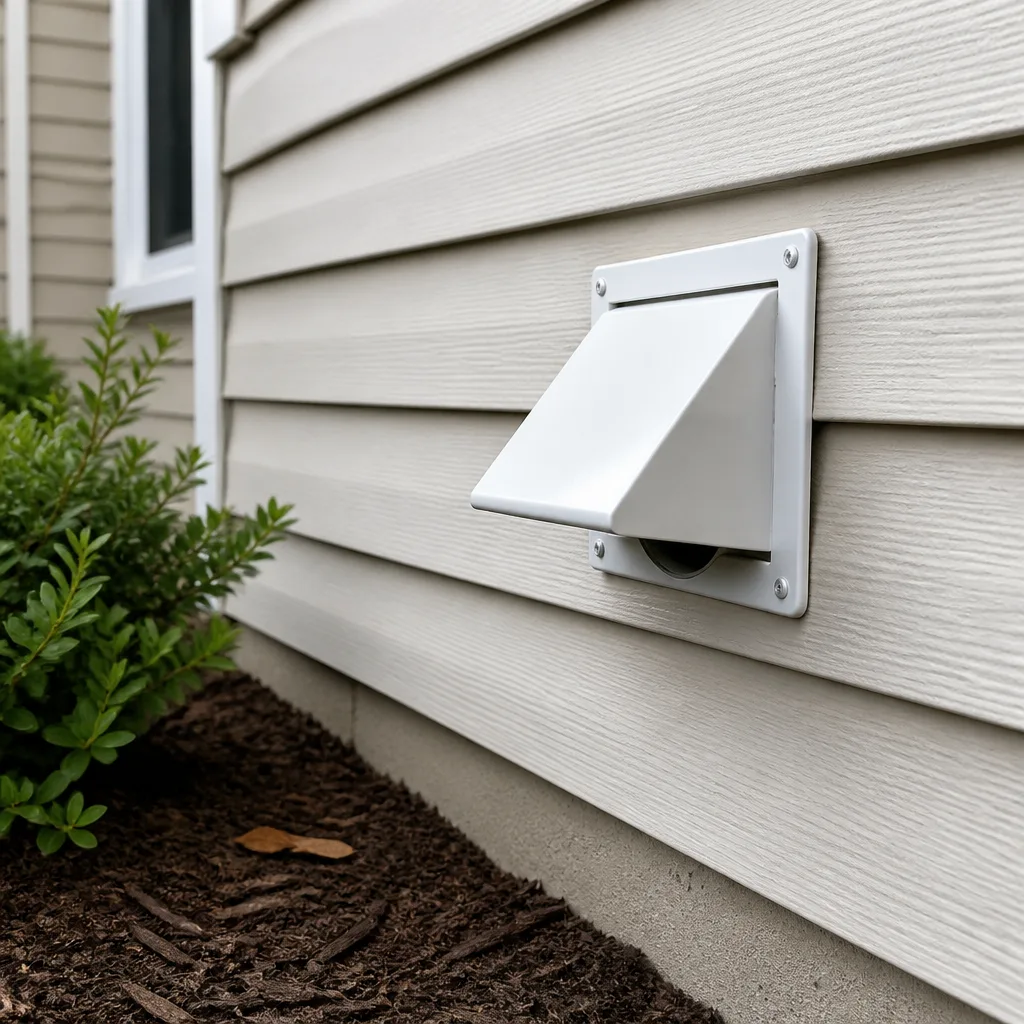
 Camera inspection
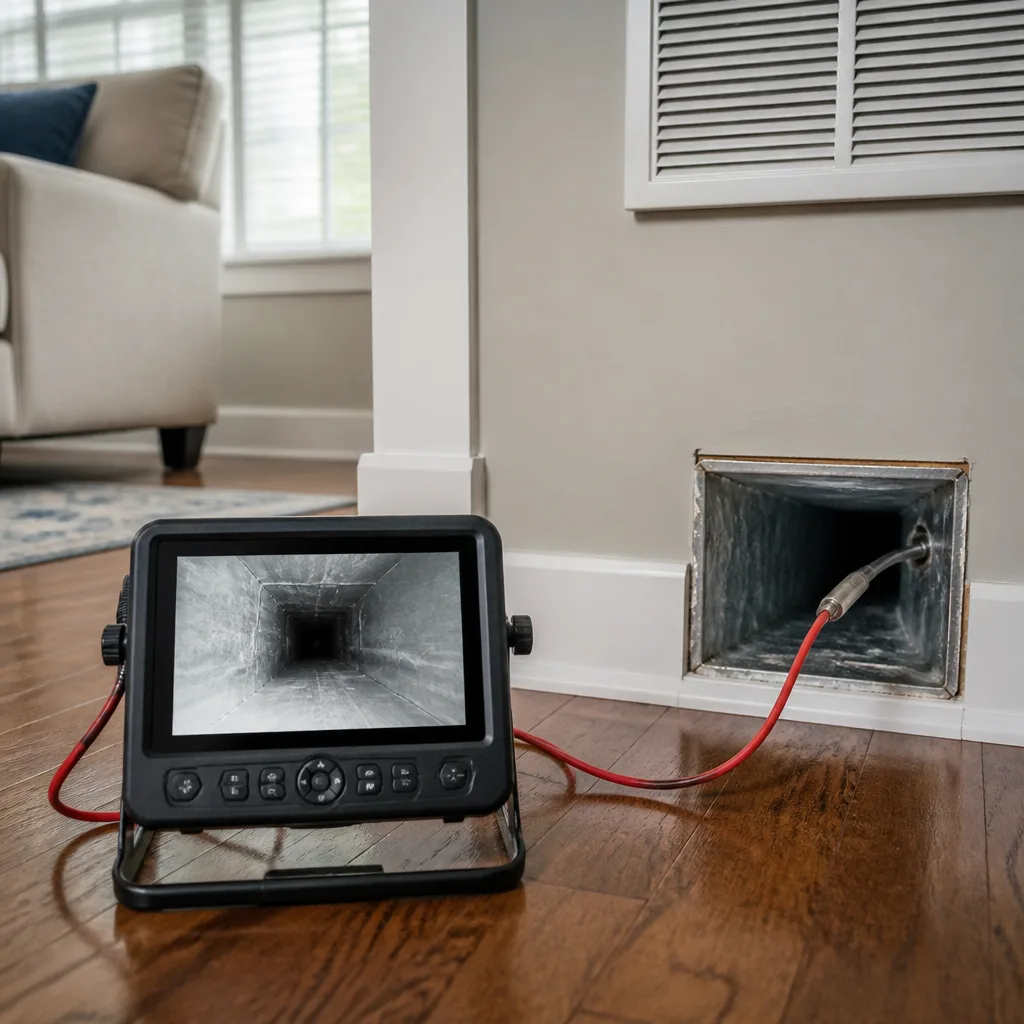
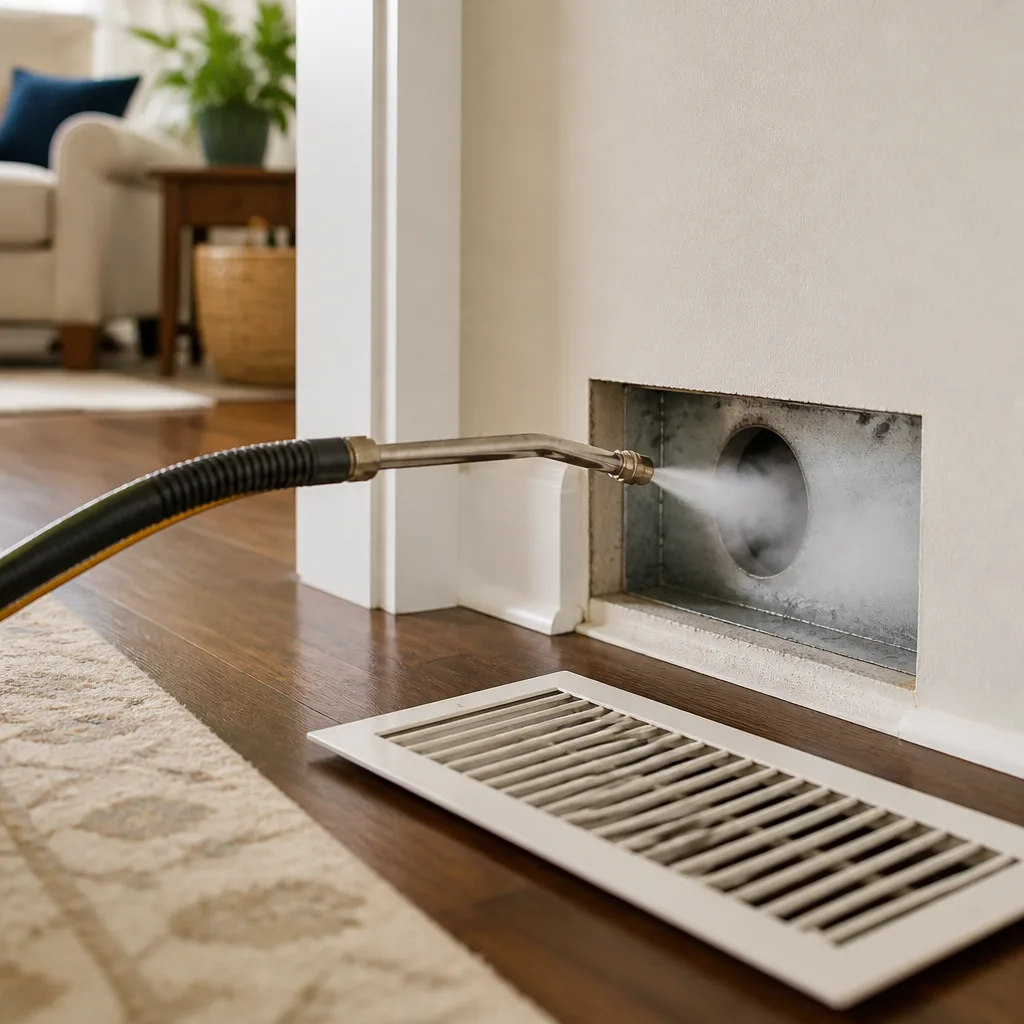 Sanitizing & deodorizing
Whole-system duct and dryer vent check with before-and-after photos - you see exactly what came out of your vents
That "$99 whole-house special" is a bait ad - the real number appears once they are in your hallway, or the "clean" is a shop-vac at the register. We photograph the inside of your ducts before and after instead.
Seasonal Air Duct Cleaning Care for Saratoga Springs: Year-Round Homeowner’s Guide
Most homeowners follow the “clean your ducts every three to five years” rule and assume that’s enough. In Saratoga Springs, it usually isn’t. This city sits in a micro-climate pocket where Utah Lake’s moisture meets the dry benches of Utah Valley, and the seasons hit your ductwork harder and faster than that tidy rule accounts for. Winter inversion events, spring dust, summer wildfire smoke, and fall switchover debris all land in the same system before a single year is out. This guide walks through a month-by-month care calendar built for Saratoga Springs homes specifically, plus what to check, when to call a pro, and how to tell whether your ducts are quietly working against your indoor air. If you’ve ever wondered why your filters clog faster than your neighbor two towns over, keep reading.
Quick Answer
Seasonal air duct cleaning care in Saratoga Springs should follow the local climate rather than a generic multi-year schedule: change filters monthly during winter inversion events, book a full professional cleaning in late spring after the inversion season breaks, inspect return air paths and duct seals in late summer after wildfire smoke exposure, and schedule a switchover inspection in fall before heating season starts. Homes near Utah Lake also need a moisture check on lower-level ducts, since the humidity that comes off the lake behaves differently than in drier inland Utah communities.
Styles & brands we work with
- Whole-home duct cleaning
- Dryer vent cleaning
- Camera inspection
- Sanitizing & deodorizing
Table of Contents
- Why Saratoga Springs Climate Makes Seasonal Duct Care Different
- Winter: Inversion Season and the Filter Rule You Should Break
- Spring: The Best Window for a Full Professional Cleaning
- Summer: Wildfire Smoke and Your Return Air System
- Fall: The HVAC Switchover Inspection
- The Utah Lake Humidity Factor in Saratoga Springs Homes
- A Year-Round Duct Care Calendar for Saratoga Springs Homeowners
- Signs Your Ducts Are Due for Cleaning Right Now
Why Saratoga Springs Climate Makes Seasonal Duct Care Different
Saratoga Springs is not a generic Rocky Mountain suburb. It sits on the northeast shoulder of Utah Lake, a position that gives it a specific weather profile: cold air that settles into the valley during winter, warm lake-side moisture that lingers longer into spring and summer than it does on the dry benches above, and a dust calendar that starts earlier than most homeowners expect. Those three things, cold-air pooling, lake humidity, and wind-blown dust off the surrounding terrain, all funnel through your HVAC system.
The practical result is that your ductwork sees more particulate matter in a single Saratoga Springs year than a house in a mid-elevation community might see in three. Winter inversions trap fine particulate close to the ground for days. Spring wind lifts fine dust off the surrounding hills and fields. Summer wildfire smoke from regional fires drifts into the valley and gets pulled through the same return air ducts that feed your furnace in January. When you add lake-driven humidity into the lower levels of a home, the ducts become a kind of seasonal record of what the air has done around them.
That’s why the standard “every three to five years” advice doesn’t hold up here. It was designed for a climate average, not for the specific way Saratoga Springs moves air. We look at duct care the way you’d look at any other seasonal maintenance: tailored to what actually happens in the local calendar, not to a national benchmark.
If you’re starting from scratch and want the fundamentals first, our air duct cleaning overview covers how a full-system cleaning actually works. From there, seasonal timing is the next variable, and it’s the one most homeowners get wrong.
Winter: Inversion Season and the Filter Rule You Should Break
Winter in Saratoga Springs is when indoor air quality gets tested most. During Utah Valley inversion events, cold air is trapped under a warmer layer overhead, and the particulate that would normally disperse just sits there. Your HVAC system runs continuously through those days, cycling the same air through your return ducts and furnace filter again and again. When outdoor air gets this poor, the filter is your last line of defense, and it loads up faster than you’d expect.
The rule to break is the familiar “change the filter every three months” habit. During sustained inversion periods, monthly changes make more sense. Even a good filter can only do so much when the outdoor particulate load stays elevated for a week or more. Skipping that change means the filter stops doing its job and starts passing fine particulate into the blower compartment and out through the supply ducts.
What to watch for during inversion season
- Filter loading: check the filter after two to three weeks of heavy system run time, not just at the quarter mark.
- Dust settling on registers: fine gray dust collecting at supply registers during winter is a sign your system is moving more particulate than it can clean.
- Increased allergy symptoms indoors: if occupants feel worse inside than the outdoor air quality suggests, the ductwork may already be carrying a winter’s worth of deposit.
- Reduced airflow at vents: an overloaded filter restricts airflow, which makes the system work harder and cycles less efficiently.
What you can’t fix with a filter is what’s already inside the ducts from prior winters. That deposit builds up on the interior walls of the return and supply runs and stays there until a mechanical cleaning pulls it out. Rotobrush equipment with a proper air-agitator attachment is what we use for that job because it reaches the duct walls, not just the moving air. A consumer shop vac can’t do that, and it’s worth understanding the difference when you’re comparing quotes.
If winter is also the season you notice a dryer isn’t drying as fast, it’s worth a look at dryer vent cleaning, since lint accumulation in the vent line is a separate winter risk from duct dust. Fire safety and air quality are handled by the same visit if you ask for both.
Spring: The Best Window for a Full Professional Cleaning
If you’re going to schedule one full duct cleaning per year, spring is the strongest time in Saratoga Springs. Here’s why: inversion season has just ended, the accumulated winter deposit is at its peak, and the heating system hasn’t yet started running in its summer mode. You’re cleaning the ducts at the point of maximum accumulation, before the summer smoke season adds another layer.
Spring cleaning works best before the cooling system starts cycling heavily, because it lets you clean the whole system, including the furnace and evaporator coil housing, without having to work around heavy cooling operation. It also means you get the air quality benefit through allergy season, when pollen and dust matter most.
How a spring professional cleaning should go
- Inspection first. A technician should walk the system and identify return and supply runs, existing leaks, and any damaged sections before cleaning begins.
- Containment setup. Negative-air equipment keeps dust from migrating into living space during the cleaning.
- Mechanical agitation. Rotobrush-style agitation tools scrub the duct walls; a vacuum alone doesn’t remove adhered dust.
- Full-system vacuuming. The loosened deposit is pulled out of the system through the vacuum collection point.
- Assessment and recommendation. At this point the technician should be able to tell you whether the system also needs sanitizing, sealing, or repair.
The assessment step matters most. Winter inversion deposit often leaves behind fine organic material that standard cleaning removes physically, but that can also support microbial growth if the ducts have been damp. In that case, a sanitizing treatment after the cleaning is what closes the loop. We use Abatement Technologies filtration equipment and negative-air containment on sanitizing jobs so that the treatment stays where it should and doesn’t become part of the indoor air.
Spring is also the point where you should ask whether last winter’s particulate load was heavy enough that the answer is “yes” to sanitizing. A reasonable rule: if the filter was loaded to the point of restriction more than once during the winter, or if anyone in the house had elevated respiratory symptoms through the winter, sanitizing is worth discussing with the technician on site.
Summer: Wildfire Smoke and Your Return Air System
Summer in Saratoga Springs brings wildfire smoke season, and most homeowners assume the filter catches it. Some of it, yes. But smoke that gets pulled into your return air system through leaks, gaps at the furnace cabinet, or an unsealed plenum can deposit fine particles inside the return ducts and on the interior surfaces the filter never touches. When the smoke clears, those deposits can remain for months, resuspending every time the system runs.
The telltale signs that your system pulled smoke inside during a summer smoke event are easy to miss:
Summer smoke season also loads the filter fast. If you ran the system through multiple smoke days with the windows closed, change the filter afterward and inspect the return registers for a gray or brown film. That film is what the ducts captured in place of the outdoor air.
- Grayish film on return grilles and register faces after a smoke event, especially in rooms nearest the return.
- A persistent smoky or “campfire” smell from supply registers after the outdoor air clears.
- Visible dust film on ceiling fans and high surfaces that returns within days of cleaning during the smoke weeks.
- Increased dust in the air handler area or filter compartment that suggests fine particulate has passed the filter.
How to confirm what’s in the ducts without guessing: have a technician inspect the return air path directly, ideally with a camera, and check the seals at the air handler cabinet and plenum. If smoke was drawn into the system, the fix is twofold: a mechanical cleaning of the return ducts, plus sealing the entry points so the next smoke event doesn’t refill them. Duct repair and sealing is a service point most duct cleaners skip entirely, and it’s the one that matters most after a smoke season.
Fall: The HVAC Switchover Inspection
Fall is when the system switches back to heating, and the switchover reveals problems that sat dormant through the cooling season. Ducts that were cool and quiet all summer have housed dust, insects, and small pests that found their way through gaps and joints. Dampers and balancing components have sat in one position for months and may no longer move. A fall inspection catches all of this before heating season starts and before you discover the issue as poor air quality or a cold room.
What a fall switchover inspection should cover
- Pest evidence: droppings, insect casings, or nesting material near duct joints, supply boots, and the return plenum.
- Damper operation: check each zone damper and balance damper moves freely and stays where it’s set.
- Duct integrity: look for disconnected joints, crushed flex runs, and gaps at ceiling and floor penetrations.
- Filter and blower inspection: change the filter and check the blower compartment for dust buildup before heating season.
- Signs of moisture: condensation staining or rust on duct surfaces, especially at lower levels.
Fall is also the right time to schedule cleaning if you didn’t do it in spring, or if the summer smoke load was heavy. Cleaning before the heating season starts means the whole system goes into winter clean, which reduces the load on the filter during the first inversion event of the year. And if the inspection turns up leaks, repair and sealing now prevents recontamination from the next season’s dust.
For the system-level cleaning that pairs with this inspection, our HVAC cleaning service covers the furnace, coil housing, and connected ductwork as one job. Splitting that across two contractors usually means the seams between them are where the dust stays. One team, one job for the whole system.
The Utah Lake Humidity Factor in Saratoga Springs Homes
Saratoga Springs gets something that inland Utah communities often don’t: lake-influenced humidity that lingers longer into the spring and shows up again in late summer. Utah Lake is a large shallow body, and the moisture it adds to the local air shows up most clearly in the lower levels of a home, including basements, crawlspaces, and the ducts that pass near them.
The effect on ductwork is straightforward: ducts in a humid lower level take on moisture on their interior walls, and that moisture is what turns ordinary dust into something more persistent. Deposits that would stay dry and powdery in a desert-bench home become slightly tacky near the lake, which means they adhere more tightly to duct surfaces and support microbial growth in a way dry dust does not.
Homeowners in Saratoga Springs should watch for the following:
- Musty odor from lower-level registers in spring and summer, especially after a run of humid days.
- Condensation on cool metal duct sections in the basement or crawlspace, a sign the duct surface is below the dew point.
- Visible rust or staining at duct joints or on duct insulation facing.
- Allergy or respiratory symptoms that worsen downstairs specifically, rather than evenly through the home.
Where humidity is a factor, an air-quality sanitizing treatment after cleaning is appropriate, and Guardsman and Abatement Technologies protocols give the technician a defined process for it rather than an open-ended spray. Checking and, where needed, repairing duct seals in the lower level matters too, because a sealed duct is what keeps humid lake air out of the system in the first place. The Jordan River corridor’s humidity runs on a different schedule than Utah Lake’s, but the principle is similar: moisture moves into the ducts where the ducts let it.
A Year-Round Duct Care Calendar for Saratoga Springs Homeowners
Here’s the calendar we’d hand a Saratoga Springs homeowner. It replaces the generic rule with a seasonal rhythm matched to what actually happens in this valley.
- January through February (inversion season): change HVAC filters monthly or when visibly loaded. Note any red-air days and keep windows closed. Consider running a portable air cleaner in bedrooms.
- March through April (post-inversion): schedule a full professional duct cleaning and HVAC cleaning. Have the technician assess whether the winter load supports a sanitizing treatment.
- May (early summer prep): inspect return air paths and duct seals before smoke season. Seal gaps at the air handler and plenum if the technician identifies them.
- June through September (smoke season): change the filter after any sustained smoke event. Watch return grilles for film buildup. If you notice persistent smoky odors, book an inspection.
- October (switchover): inspect for pest activity, check damper operation, verify duct integrity, and change the filter before heating season starts.
- November through December (heating season): schedule dryer vent cleaning if it’s been more than a year, and watch for sudden increases in household dust or reduced airflow at registers.
Older homes in Saratoga Springs tend to have more duct leakage than newer construction, simply because sealing technology has improved. If your home is twenty years old or more, the calendar above should include a more deliberate emphasis on the fall and spring sealing inspection, since leaks are what let the outside season inside. Newer homes have their own risk: tight construction means fewer natural air exchanges, so what’s in the ducts stays in the ducts.
The carbon-copy mistake we see most is treating this as a one-time event. If you clean once and never revisit the system, the same deposits come back with the next season. The seasonal rhythm is what actually keeps a Saratoga Springs home’s ducts ahead of the local climate.
Signs Your Ducts Are Due for Cleaning Right Now
Seasonal timing is a guide, but your system gives its own signals. Any of the following means it’s worth a call regardless of the calendar.
- Visible dust puffs from supply registers when the system turns on.
- Persistent musty or smoky odors from registers, particularly after a smoke event or a humid stretch.
- Increased allergy or asthma symptoms indoors that don’t track with outdoor conditions.
- Noticeable dust accumulation on high surfaces returning within a week of cleaning.
- Reduced airflow at registers across multiple rooms, especially after a filter change.
- Recent home purchase where the previous owner’s cleaning history is unknown.
- Post-renovation dust from drywall or major remodeling work.
- Recent pest evidence near duct joints, boots, or the air handler.
If you’ve spotted more than one of these, a cleaning is overdue. If you’ve spotted only one, it’s worth a call anyway because the cause matters. A smoke odor from a register without visible dust may be a sealing problem, not a cleaning problem, and cleaning alone would waste money. Getting the diagnosis right first is what a professional applies.
Common Mistakes to Avoid
- Following the three-to-five year rule regardless of local conditions. In Saratoga Springs, inversion winters and smoke summers load the system faster than that rule accounts for, so a fixed schedule leaves the ducts running loaded for months at a time. Match the calendar to the local pattern, not the national benchmark.
- Skipping monthly filter changes during inversion season. The three-month filter habit works most of the year, but not during a sustained inversion event. If the filter is visibly loaded at week three, change it at week three, not at quarter end.
- Hiring a cleaner who only vacuums the ducts. A vacuum alone doesn’t remove adhered deposits; you need mechanical agitation, which is what Rotobrush systems are designed to do. Ask what agitation tools the technician is bringing before you book.
- Ignoring duct leaks and sealing needs after cleaning. Cleaning a leaking system and leaving the leaks in place means the next season refills the ducts through the same gaps. Duct repair and sealing closes that loop.
- Overlooking dryer vent cleaning because the ducts look fine. Lint in a dryer vent line is a separate, well-documented fire risk from anything inside your HVAC ducts. It’s a one-visit add-on when the technician is already there for duct cleaning.
- Treating lake humidity as a minor nuisance. Moisture in lower-level ducts changes how dust behaves and supports microbial growth. If the basement registers smell musty, that’s worth a sanitizing assessment, not a deeper filter.
- Choosing on coupon price without checking the process. A teaser price that becomes a much larger invoice once the technician is on site is a common pattern. Ask for one flat price per system, agreed before work starts, plus before-and-after photos of your ducts.
See the difference
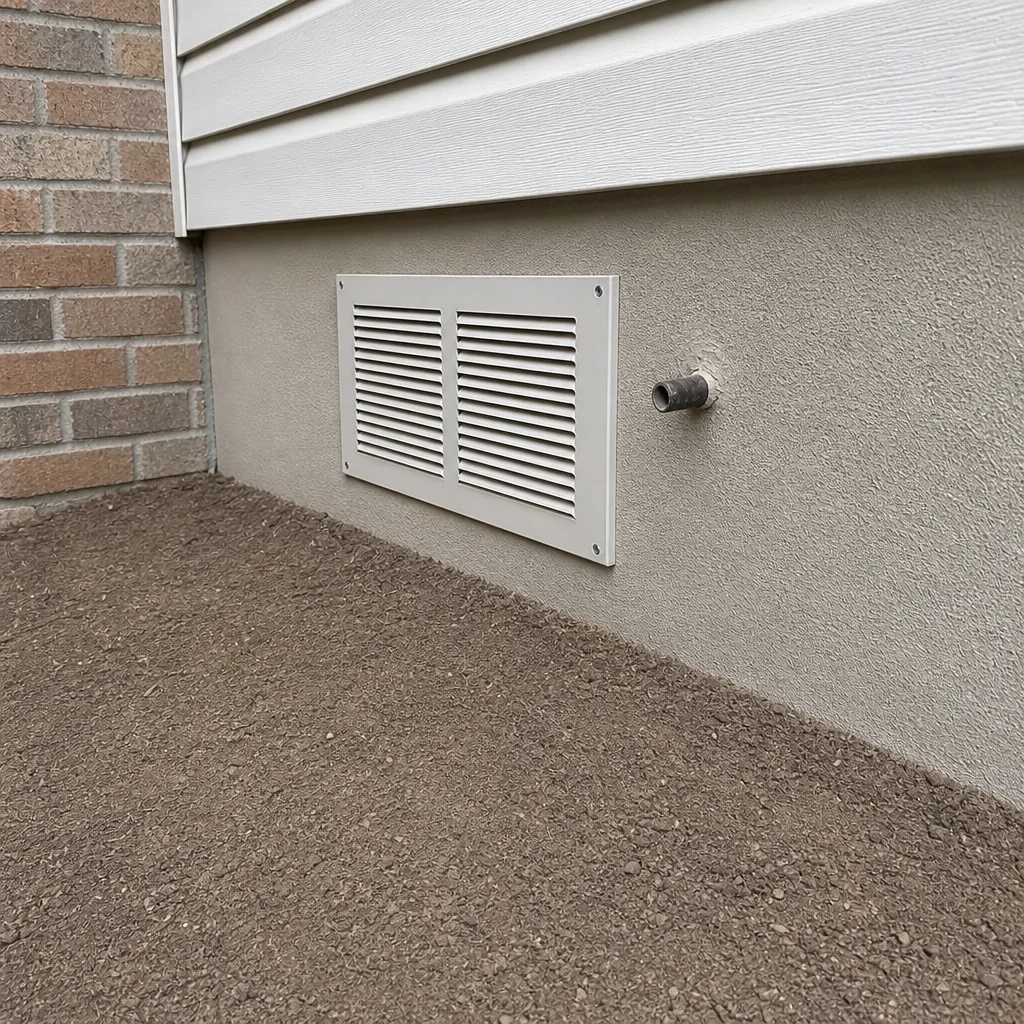
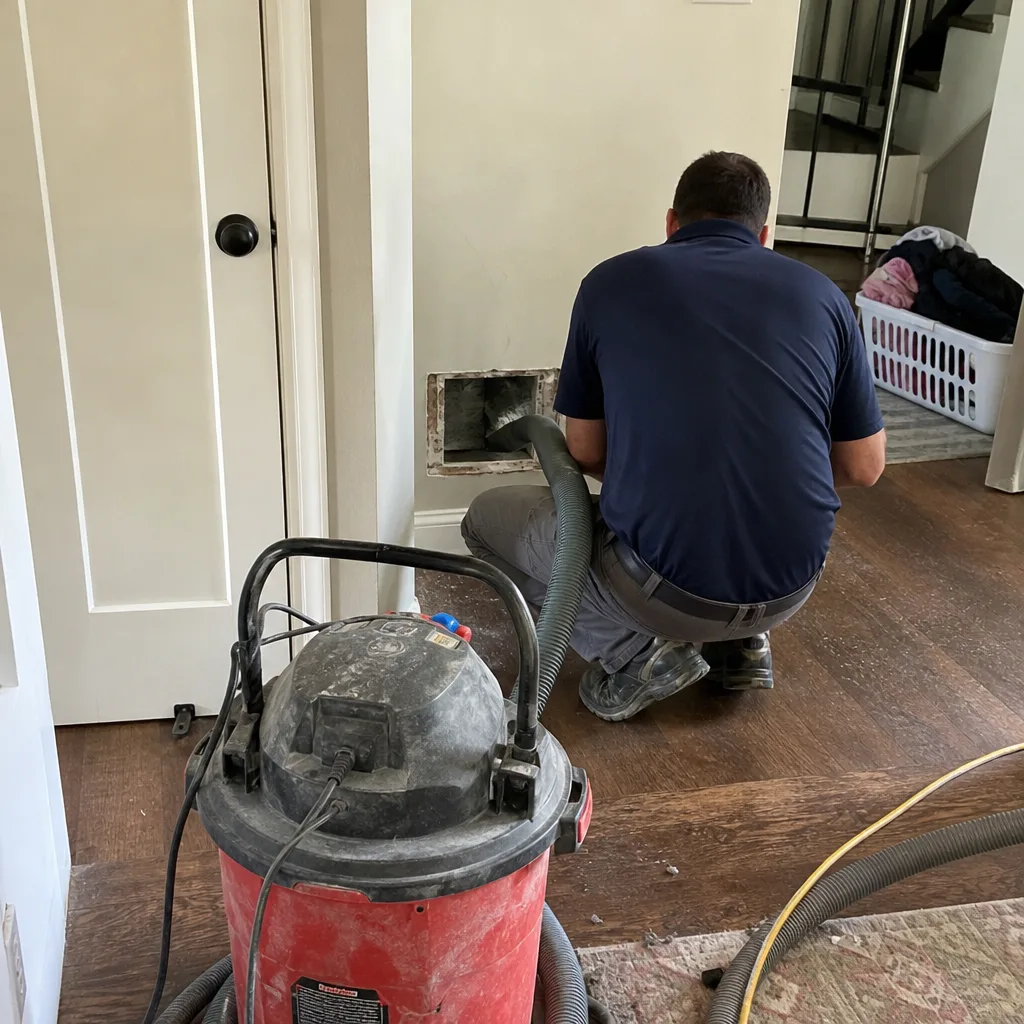 Before
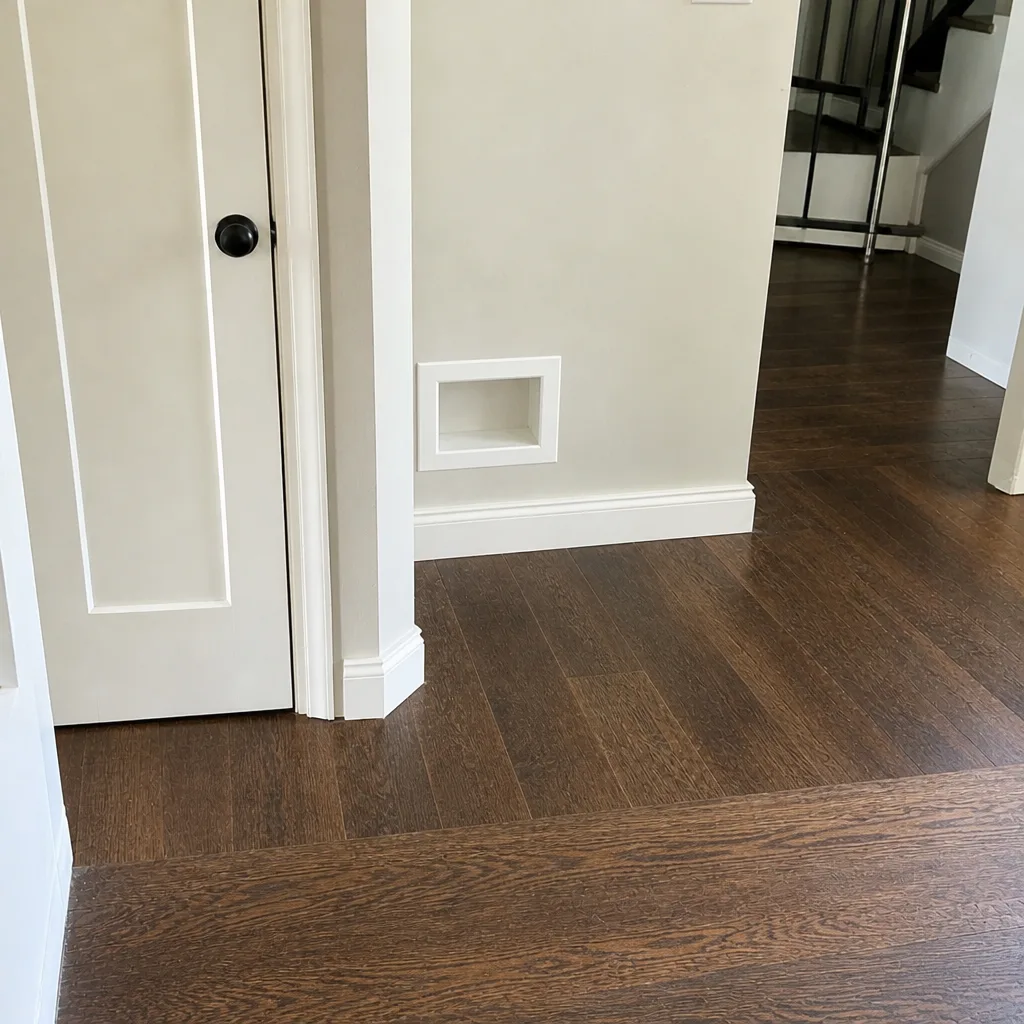 After
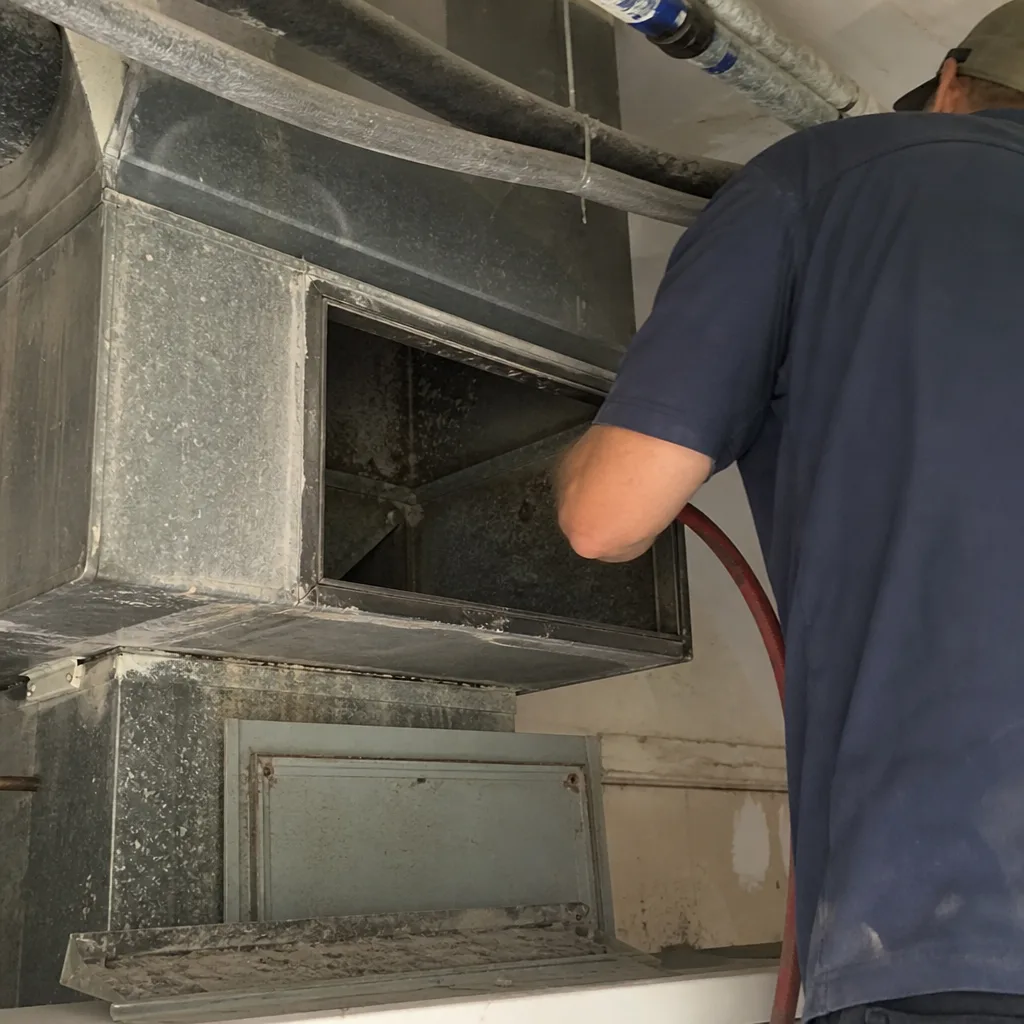
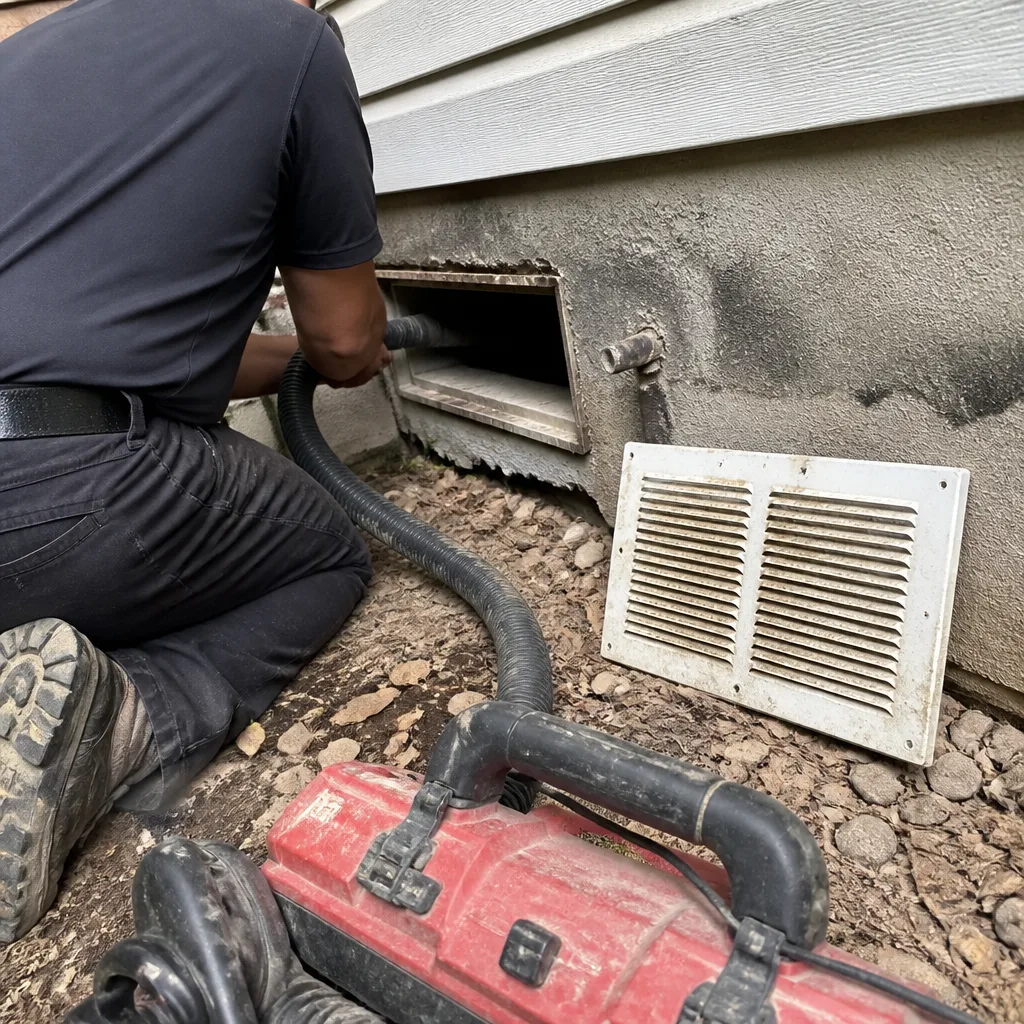 Before
 After
 Before
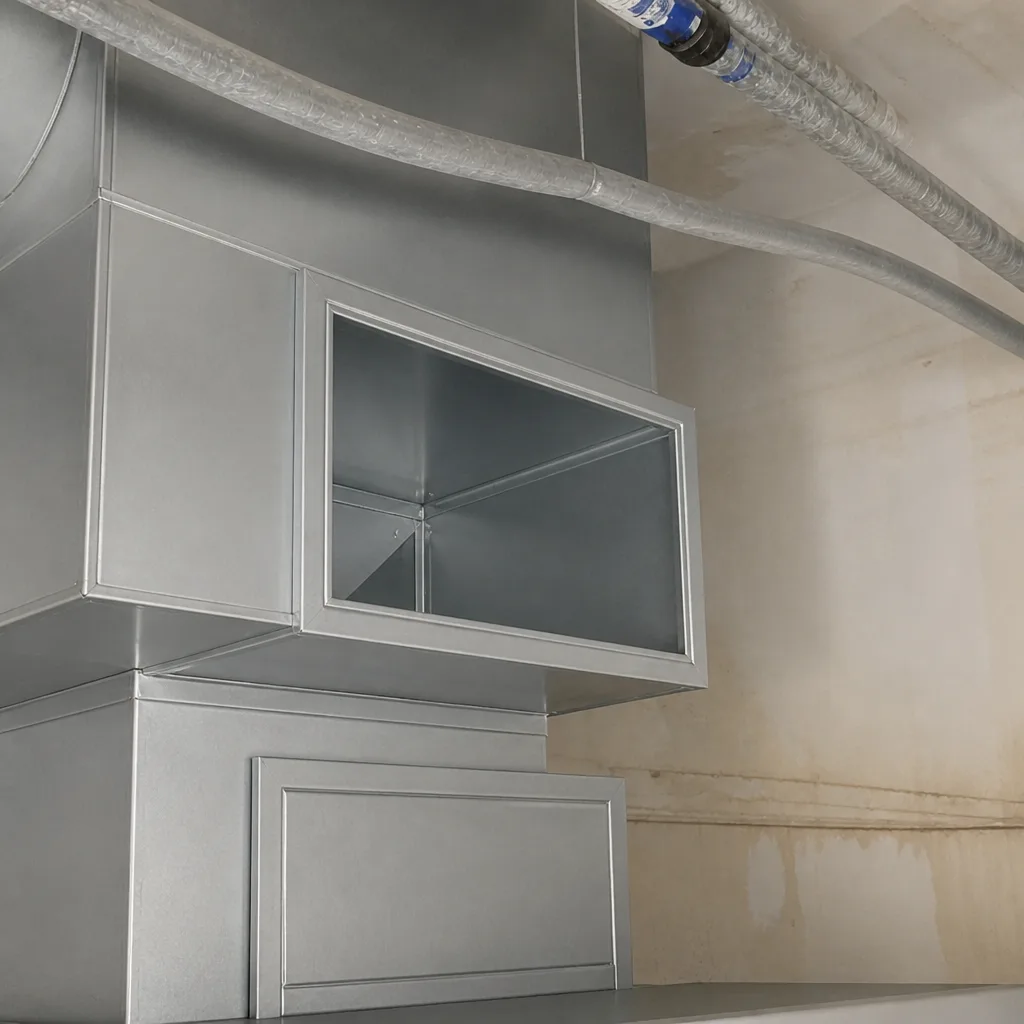 After
When to Call a Professional
Some duct care is seasonal housekeeping, and some needs a technician. Call a professional when you’ve spotted visible dust puffs from registers, unexplained allergy or respiratory symptoms indoors, persistent musty or smoky odors from vents, recent pest evidence near duct joints, or a post-renovation dust load you can’t seem to settle. Call when your home inspection report flags the ductwork, when you’ve moved into a house with unknown cleaning history, or when the fall switchover turns up damper or sealing problems. If you notice yourself changing filters faster than monthly during a normal season, that’s a system-level signal that needs a proper inspection, not another filter. Our technicians have up to 8 years of experience diagnosing these exact patterns, and Saratoga Springs Air Duct Cleaning Pros offers free estimates in Saratoga Springs. Call (844) 542-4260. We answer 24/7. Fast dispatch from 7am to 7pm, Sunday through Friday.
Frequently Asked Questions
For most Saratoga Springs homes, a once-a-year full professional cleaning in late spring is a reasonable baseline, because the local climate loads the system with inversion season particulate, spring dust, and summer smoke each year. Homes near Utah Lake with damp lower levels, homes with pets or recent renovations, and homes with occupants who have respiratory conditions may need more frequent attention. Your technician should give you a specific recommendation based on the system inspection, not a generic schedule.
Cheap quotes often reflect a vacuum-only service without mechanical agitation, no inspection, and no assessment of the return air system or duct seals, which is the work that actually removes adhered deposit. Professional cleaning uses equipment like Rotobrush and Nikro systems, includes an inspection before cleaning starts, and gives you one flat price per system rather than a per-vent price that can balloon on site. Ask what equipment will be used and what the process includes before you compare numbers, and ask for before-and-after photos of your own ducts. Call (844) 542-4260 to schedule a free estimate with a clear scope.
You should see a full process: inspection first, negative-air containment while cleaning, mechanical agitation of the ducts, and a final walkthrough with photos showing the before and after of your own system. If a company can’t show you photos or explain what was cleaned, that’s a red flag. We photograph the ducts before and after on every job, and the technician should walk through what was found and what was done before leaving.
Yes, particularly in lower-level ducts where the air stays cool and moisture condenses more easily than in inland Utah communities. Damp duct walls make dust deposits tackier and can support microbial growth that plain cleaning doesn’t address. If your basement registers smell musty or metal duct sections show condensation, ask the technician to assess the lower-level ducts specifically and consider a sanitizing treatment using Abatement Technologies or Guardsman protocols.
Sanitizing is worth discussing after a heavy inversion winter, especially if filters were loaded to the point of restriction more than once or if anyone in the house had elevated respiratory symptoms through the winter. Standard cleaning removes the physical deposit; sanitizing addresses the microbial and organic load that may remain, and it makes sense to combine it with the spring cleaning rather than schedule it separately. Your technician can assess the system during the spring cleaning and tell you honestly whether it’s needed.
No. A shop vac pulls air from the register but doesn’t reach the duct walls, doesn’t create the containment that prevents dust from spreading inside the home, and doesn’t agitate the deposit that’s adhered to the interior surfaces. Rotobrush and Nikro systems are built specifically for duct interiors: they combine positive or negative air with agitation tools that scrub the walls. Attempting a shop vac clean can actually drive dust into the living space through the return side without removing the bulk of the deposit.
The Bottom Line
Saratoga Springs’ climate doesn’t reward the generic duct-cleaning rule. Winter inversions load the system with fine particulate, spring is the strongest window for a full cleaning because the deposit is at peak, summer smoke infiltrates through return leaks and asks for a sealing inspection, and fall is the switchover that catches pest activity and damper issues before heating season. Lake humidity in lower-level ducts needs its own moisture check and, where warranted, a sanitizing treatment. If you’d rather have a technician map this against your specific home, call (844) 542-4260. Saratoga Springs Air Duct Cleaning Pros offers free estimates, one flat price per system agreed before work starts, and before-and-after photos of your own ducts. We answer 24/7. Fast dispatch from 7am to 7pm, Sunday through Friday.
For the full range of services behind this calendar, visit Saratoga Springs Air Duct Cleaning Pros.
Written by the team at Saratoga Springs Air Duct Cleaning Pros.